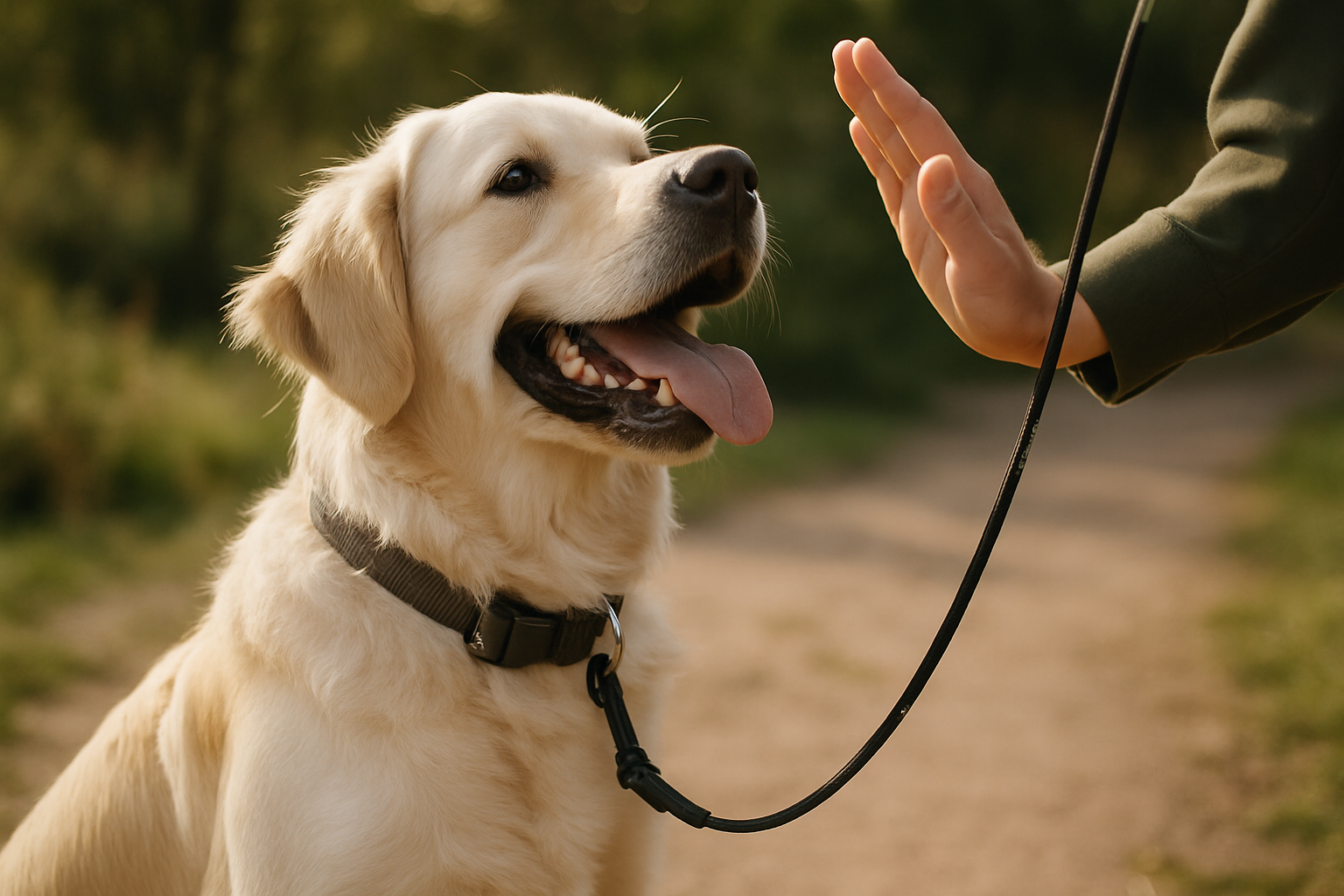
Understanding Why Your Puppy Whines When Left Alone
If your puppy cries, whines, or becomes visibly distressed the moment you step out of sight, you're experiencing one of the most common challenges new puppy owners face. The good news? You haven't done anything wrong, and your puppy isn't being deliberately difficult. What you're witnessing is genuine fear and anxiety, not misbehavior.
Puppies are naturally social creatures. Before coming home with you, they spent weeks surrounded by littermates and their mother—constant companionship was their entire world. When puppies suddenly find themselves alone in a quiet home, their instincts send a powerful signal: isolation feels unsafe. [2] This emotional response triggers physical stress symptoms like whining, pacing, drooling, and destructive behavior as your puppy's body floods with stress hormones. [4]
Some puppies struggle specifically when separated from their primary caregiver (separation anxiety), while others panic anytime they're alone, regardless of who's home (isolation distress). Either way, the underlying issue is the same: your puppy hasn't yet learned that alone time is safe and manageable. [2]
Recognizing Separation Anxiety vs. Normal Puppy Behavior
Before diving into training, it's important to distinguish between true separation anxiety and other issues like boredom or insufficient exercise. Here are the telltale signs of genuine separation anxiety:
- Excessive vocalization: Persistent whining, barking, or howling that continues for extended periods after you leave [4]
- Destructive behavior: Chewing, scratching, or digging at doors, windows, or crate walls—sometimes resulting in injury [4]
- Pacing and repetitive movement: Walking in fixed patterns, circling, or constant movement without rest [4]
- House-training accidents: Urination or defecation indoors despite previous house-training success [2]
- Pre-departure anxiety: Visible stress when you pick up your keys, put on shoes, or grab your jacket—anxiety that begins before you even leave [2]
- Physical stress symptoms: Excessive drooling, panting, salivating, or self-licking that leads to hair loss [4]
- Escape attempts: Frantic efforts to break out of confined spaces [4]
The key difference between separation anxiety and boredom? Anxious puppies display constant, obvious stress signals with little rest, while bored puppies may engage in behaviors intermittently with sleep in between. [5]
The Science Behind Effective Separation Training
The most effective approach to resolving puppy whining is a process called desensitization. Unlike punishment or ignoring the behavior, desensitization actually changes your puppy's emotional response to your absence by gradually exposing them to being alone in carefully controlled doses. [1]
Here's why desensitization works: Rather than flooding your puppy with fear all at once (which reinforces anxiety), you practice leaving for such short periods that your puppy never reaches the point of panic. Over time, your puppy's brain learns that your departure is predictable, manageable, and ultimately boring. This emotional shift is what creates lasting confidence. [1]
The critical principle is keeping your puppy "below threshold"—meaning you return before they show any signs of stress. Watch for early warning signs like lip licking, door staring, or the first hint of whining, then return before these escalate. [1]
Step-by-Step Separation Training Plan
Step 1: Establish Your Training Location
Choose a safe, comfortable room where your puppy feels secure when you're home. This might be your bedroom, a puppy-proofed room, or a space with a crate and playpen. The location should:
- Be a place where your puppy already feels calm and comfortable [1]
- Limit exposure to departure cues (you won't be putting on shoes or grabbing keys in view) [1]
- Be safe and secure with no hazards [1]
Step 2: Establish Your Baseline
Before beginning formal training, determine how long your puppy can currently be left alone without showing stress. Set up a pet camera, phone on FaceTime, or have a second person observe your puppy. Leave the room and watch carefully for the first sign of stress—this might be as subtle as intense door staring or the beginning of a whine. [1]
Return immediately and note the exact time. This baseline is your starting point. Don't worry if it's only 30 seconds or even zero—some puppies show anxiety before you even leave the room. [1]
Step 3: Manage and Eliminate Departure Cues
Departure cues are all the little things you do before leaving: picking up keys, putting on shoes, changing clothes, grabbing your bag, or even your shower routine. These cues trigger your puppy's anxiety before you even leave. [1]
Eliminate as many avoidable cues as possible during training sessions:
- Change clothes at least an hour before training, or change out of sight
- Leave your keys in a different room
- Don't put on shoes before leaving for training
- Set up any equipment (like cameras) outside your puppy's view [1]
Some cues are unavoidable (like closing a baby gate or setting up the camera). If these trigger your puppy's anxiety, do a separate desensitization session where you practice these cues repeatedly without leaving. Once your puppy becomes bored by the cue itself, you can incorporate it into your departure training. [1]
Step 4: Plan Your Training Sessions
Before each session, write out a specific plan that includes:
- How many "departure reps" (practice rounds) you'll do
- How long each rep will last (start slightly below your baseline)
- The exact time you'll practice
For example, if your baseline is 2 minutes, your first session might include 5 reps of 90 seconds each, with 5-10 minutes of calm interaction between reps. [1]
Step 5: Execute Your Training Session
During each training rep:
- Prepare your puppy: Give them a long-lasting treat or puzzle toy to focus on (stuffed Kong, lick mat, or treat-dispensing toy). This gives them something positive to associate with your absence. [2]
- Leave calmly: Don't make a fuss about departing. Simply step out of the room without fanfare or emotional goodbyes.
- Watch carefully: Use your camera to monitor for any stress signals.
- Return before panic: Come back while your puppy is still calm and engaged with the toy. This is crucial—you want them to learn that you always return before things get scary. [1]
- Keep returns low-key: Don't celebrate your return with excited greetings. Act like coming back is no big deal. This prevents your puppy from building anticipation about your return. [4]
- Take a break: Wait 5-10 minutes of calm, normal interaction before your next rep.
Step 6: Gradually Increase Duration and Difficulty
Once your puppy is consistently calm during your current duration, increase the time by small increments (30 seconds to 1 minute). The pace depends on your individual puppy—some progress quickly, others need more time. [1]
As durations increase, you can also gradually reintroduce departure cues:
- Practice putting on shoes or grabbing keys multiple times without leaving
- Leave for longer periods on some days than others
- Practice departures at different times of day
- Eventually practice with some departure cues visible [2]
Building Long-Term Confidence: Prevention and Foundation
Establish a Predictable Routine
Consistency reduces uncertainty and builds trust. Establish regular times for eating, playing, training, and alone time. When your puppy knows what to expect, they feel safer. [2]
Create a Safe, Comfortable Space
Designate a cozy area just for your puppy—whether it's a crate, playpen, or room. Make it positive by adding:
- Soft bedding and comfortable furniture
- Safe toys and chew items
- An item that smells like you (worn t-shirt or blanket) [2]
Never use this space for punishment—it should always feel like a safe haven.
Practice Alone Time Regularly (Before You Need It)
Start building independence from day one by regularly leaving your puppy alone for short periods, even when you don't need to go anywhere. [5]
- Go into different rooms and close the door for a few minutes
- Step outside briefly while your puppy plays inside
- Practice short absences multiple times daily [5]
Provide Mental and Physical Enrichment
A tired puppy is a calmer puppy. Ensure your puppy gets:
- Adequate exercise appropriate for their age (not excessive, which can cause anxiety)
- Mental stimulation through training, puzzle toys, and interactive games [4]
- Proper nutrition and a structured feeding schedule [4]
Avoid Over-Attachment Patterns
While bonding is essential, constantly allowing your puppy to follow you everywhere sets them up for anxiety later. [5] From day one, teach your puppy that:
- You sometimes go into different rooms without them
- Being apart is a normal part of family life
- You always return [5]
Using Counter-Conditioning for Positive Associations
Beyond desensitization, counter-conditioning creates positive emotional associations with your departure. The idea is simple: your absence becomes linked with good things happening. [2]
Strategy: Provide a special treat or toy that only appears when you leave and disappears when you return. Over time, your puppy learns to anticipate something wonderful when you depart. Examples include:
- A puzzle toy filled with their favorite treats
- A long-lasting chew item
- A special snack they only get during alone time
- An interactive toy that releases treats [2]
When to Seek Professional Help
While most puppies respond well to structured desensitization training, some situations warrant professional guidance:
- Extreme anxiety: If your puppy's anxiety seems severe or is worsening despite consistent training [2]
- Self-injury: If your puppy is hurting themselves trying to escape (broken nails, bleeding paws, or injuries from crate escape attempts) [4]
- Medical concerns: Rule out underlying health issues, pain, or medical conditions with your veterinarian [2]
- Sudden behavior changes: If your previously confident puppy suddenly develops anxiety after a life change [1]
- Lack of progress: If you've been consistently training for several weeks with no improvement [4]
A certified professional dog trainer or veterinary behaviorist can assess your specific situation and provide personalized guidance.
Common Mistakes to Avoid
- Punishing anxiety: Correcting your puppy after an incident adds confusion and increases stress—it doesn't address the underlying fear. [4]
- Making departures emotional: Dramatic goodbyes or guilty returns reinforce that leaving is a big deal. Keep it boring. [4]
- Progressing too quickly: Jumping to longer absences before your puppy is ready can cause setbacks. Stay consistent and patient. [1]
- Ignoring early signs: Don't wait for full-blown panic. Return at the first subtle sign of stress to keep your puppy below threshold. [1]
- Inconsistent training: Sporadic practice sessions won't build lasting confidence. Consistency is key. [4]
- Using the crate as punishment: If your puppy associates the crate with confinement during anxiety, it becomes a trigger rather than a safe space. [2]
Timeline: What to Expect
Every puppy progresses at their own pace. Factors that influence timeline include age, temperament, genetic sensitivity to stress, and consistency of training. [1] However, here's a general framework:
- Weeks 1-2: Establish baseline and begin short 30-second to 2-minute reps. Your puppy learns that departures are predictable.
- Weeks 3-4: Gradually increase to 5-10 minute absences. Your puppy begins showing visible calm.
- Weeks 5-8: Progress to 15-30 minute absences. Most puppies show significant improvement in confidence.
- Weeks 8+: Work toward 1-2 hour absences. With consistency, most puppies develop solid independence. [1]
Remember: some puppies need more time, and that's completely normal. Patience and consistency matter more than speed.
Key Takeaways
Your puppy's whining isn't a character flaw—it's a learned behavior that can be unlearned with the right approach. The separation training plan outlined here works because it:
- Addresses the emotional root (fear) rather than just the symptom (whining)
- Builds genuine confidence through gradual, manageable exposure
- Creates positive associations with alone time
- Respects your puppy's individual pace and temperament
- Requires consistency and patience from you
Start today by establishing your training location, determining your baseline, and planning your first session. With dedication to this process, your puppy will transform from an anxious shadow into a confident, independent companion who's perfectly happy to spend time alone—and genuinely excited to see you when you return.