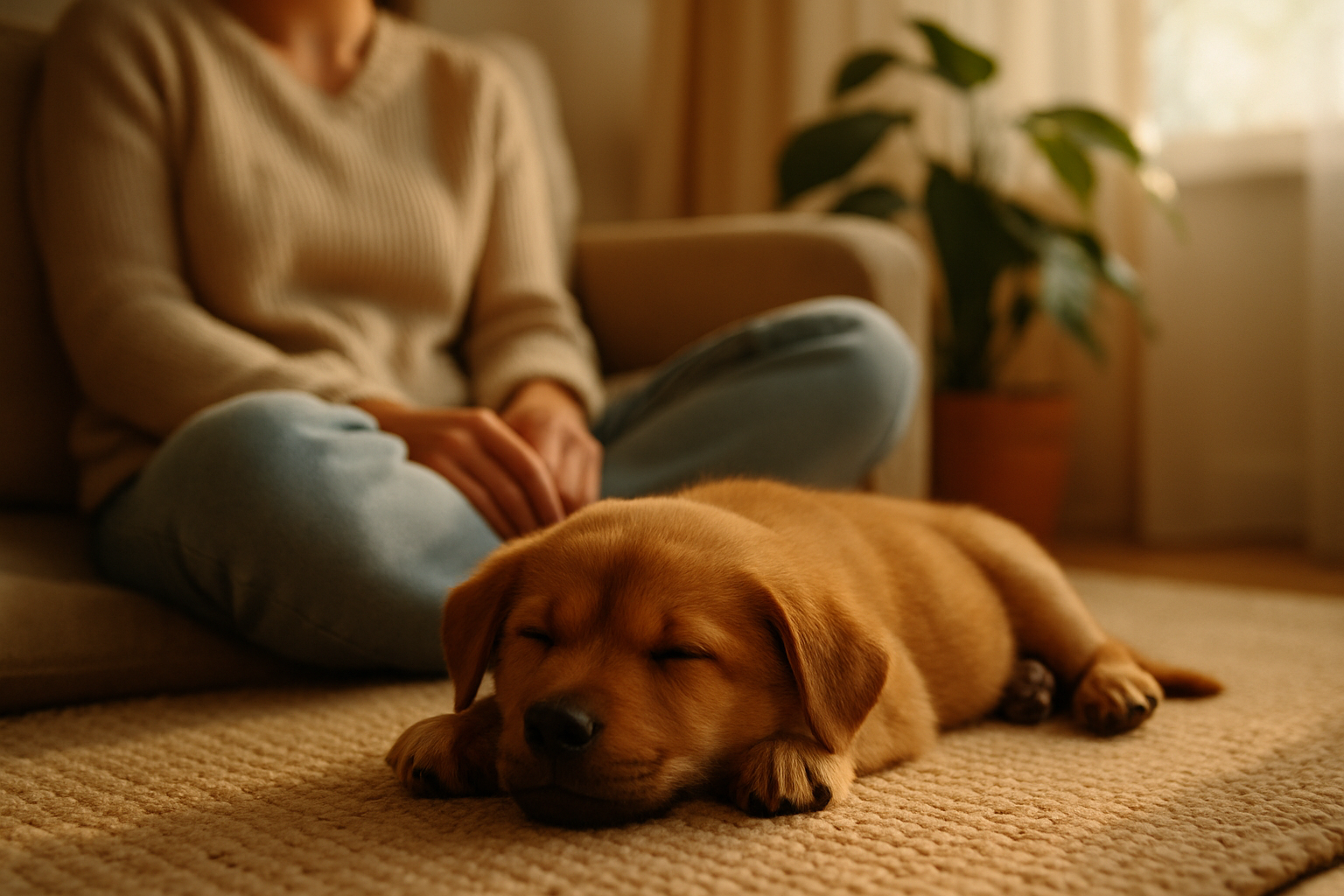
Dealing with Puppy Separation Anxiety: Your Complete Prevention and Treatment Guide
There's nothing quite like the guilt you feel when your puppy's desperate cries follow you to the door. That heart-wrenching whimper as you reach for your keys. The frantic scratching at the crate as you walk away. If this scenario feels all too familiar, you're not alone—and more importantly, there's hope.
Puppy separation anxiety has become increasingly common, particularly among puppies adopted during the pandemic when owners suddenly transitioned back to office work after months at home. [1] What many new pet parents don't realize is that separation anxiety isn't a character flaw in your puppy—it's a preventable and treatable condition. The key is understanding what causes it, recognizing the warning signs early, and implementing the right strategies before the problem escalates into destructive behaviors.
Understanding Puppy Separation Anxiety: More Than Just Missing You
Separation anxiety, sometimes called "isolation distress," occurs when puppies display anxious or distressed behaviors when left alone or separated from their owner. [1] But here's what many owners misunderstand: it's not simply that your puppy loves you too much. Rather, it reflects a dependency on your constant presence and attention—even if that attention is just you being in the same room.
Think of it this way: puppies are pack animals by nature. In the wild, they would never be left alone. They evolved to thrive in group environments where constant companionship is the norm. [3] When puppies don't learn that being alone is safe and manageable, they can develop an almost addictive need for your presence. This isn't something to feel guilty about—it's a natural instinct that requires intentional training to overcome.
Interestingly, research reveals that separation-related distress manifests differently in different puppies. [3] Some puppies are genuinely anxious, while others are simply frustrated or restless. Understanding which type your puppy experiences can help you tailor your approach more effectively.
Recognizing the Signs: From Normal Whining to Serious Distress
One of the biggest challenges for new puppy owners is distinguishing between normal puppy behavior and genuine separation anxiety. After all, puppies naturally whine—they've just been separated from their mother and littermates. So how do you know when it's a problem?
Normal Adjustment Whining: This typically settles down as your puppy adjusts to their new home. It may last a few days or weeks but gradually decreases in frequency and intensity.
Separation Anxiety Red Flags: Watch for these concerning patterns: [1]
- Persistent, escalating vocalization: Whining that continues for hours on end, intensifying to what sounds like desperate yelling or screaming
- Frantic physical behaviors: Constant pawing, scratching, or chewing at crate bars or playpen walls as if trying to escape
- Excessive barking: Uncontrolled barking specifically triggered when you walk away
- Physical distress signs: Heavy panting, pacing, drooling, or appearing visibly distressed when you return
- Destructive behavior: Destruction of bedding, toys, or attempts to damage exit points
- Elimination accidents: Urinating or defecating inside the crate despite being housetrained
Additional subtle signs that often go unnoticed include refusal to eat or engage with food toys when you're away, vomiting, or a general appearance of depression or withdrawal before you leave. [5] The key distinguishing factor is that these behaviors occur almost exclusively when your puppy is alone or when you're preparing to leave.
Here's an important reality check: if your puppy came from a shelter or uncertain background, they may already have a predisposition toward anxiety. [1] This isn't your fault, and it doesn't mean your puppy is broken. It simply means you'll need to be more intentional and patient with your training approach.
Prevention: Building Confidence Before Anxiety Takes Hold
The best treatment for separation anxiety is prevention. If you're bringing home a new puppy, implementing these strategies from day one can save you months of behavioral challenges.
1. Introduce Crate Training as a Foundation Tool
Your puppy's crate isn't punishment—it's a sanctuary. When used correctly, a crate provides a den-like safe space that actually reduces anxiety rather than creating it. [3] The key is making the crate a positive space before you ever use it for separation.
- Leave the crate door open and let your puppy explore it voluntarily
- Place treats, toys, and comfortable bedding inside
- Feed meals inside the crate with the door open
- Gradually close the door for short periods while you're still present and active nearby
- Never force your puppy into the crate or use it as punishment
2. Teach Independence While You're Home
One of the most overlooked prevention strategies is teaching your puppy to be comfortable alone while you're still present. [2] This builds their confidence gradually and prevents the shock of sudden abandonment.
- Use baby gates to create separation while remaining in the home
- Practice the "stay" command, starting with just a few seconds and gradually increasing duration
- Confine your puppy to one room while you work in another
- Reward calm behavior when your puppy settles independently
- Aim to build up to 10-15 minutes of comfortable alone time before attempting longer absences
3. Establish a Predictable Daily Routine
Predictability is calming for puppies. When your puppy knows when to expect meals, potty breaks, playtime, and alone time, their nervous system relaxes. [2] Create a consistent schedule that includes designated alone periods throughout the day, not just when you leave for work.
4. Manage Your Departures and Arrivals
How you say goodbye and hello matters more than you might think. Dramatic departures and enthusiastic reunions actually reinforce your puppy's anxiety by signaling that separation is a big deal. [2]
- Keep goodbyes low-key and matter-of-fact
- Don't make a fuss when leaving—simply exit calmly
- When returning, wait for your puppy to settle before offering affection
- Greet your puppy calmly rather than with excitement
- Avoid prolonged eye contact or physical affection immediately upon return
5. Provide Mental and Physical Stimulation
A tired puppy is a calm puppy. Before you leave, provide adequate exercise and mental stimulation. [2] A 20-30 minute walk or play session before your departure can make the difference between a settled puppy and a frantic one.
- Schedule active play sessions before you typically leave
- Engage in training or trick-work to stimulate your puppy's brain
- Allow time for sniffing walks, which provide intense mental engagement
- Vary activities to prevent boredom and keep your puppy engaged
Treatment Strategies for Existing Separation Anxiety
If your puppy is already showing signs of separation anxiety, don't despair. With patience and consistency, these behaviors are highly treatable.
Desensitization and Counter-Conditioning
This approach involves gradually exposing your puppy to being alone while simultaneously creating positive associations with your absence. [3]
- Start with extremely short separations—even just 30 seconds
- Provide a high-value food-filled toy (like a stuffed Kong) only during alone time
- Return before your puppy finishes the toy and becomes anxious
- Gradually increase separation duration by small increments
- Practice multiple short sessions rather than one long absence
- Ensure success by never leaving your puppy alone long enough to trigger panic
Environmental Management
Make your puppy's alone space as comfortable and distraction-free as possible:
- Provide long-lasting chews or puzzle toys to occupy attention
- Use white noise or calming music to mask outside sounds that trigger barking
- Close curtains to reduce visual stimuli from passing people or animals
- Ensure the space is temperature-controlled and comfortable
- Consider using a camera to monitor your puppy without your presence being detected
What NOT to Do
Certain well-intentioned approaches can actually worsen separation anxiety:
- Don't punish accidents or destructive behavior: Punishment increases anxiety and teaches your puppy to fear your return. [5] Your puppy isn't being spiteful—they're expressing distress.
- Don't let your puppy "cry it out": This outdated approach is neurologically damaging and increases anxiety rather than resolving it. [5]
- Don't constantly give in to demands for attention: While you shouldn't ignore your puppy, responding to every whine or demand reinforces the anxious behavior
- Don't skip the gradual process: Jumping straight to long absences will only deepen anxiety
Medical and Supplement Support
In some cases, behavioral training alone isn't sufficient. Your veterinarian can help determine if medical intervention is appropriate. [2]
Prescription Options: Medications like Gabapentin (anti-anxiety), Amitriptyline (anti-depressant), or Fluoxetine (SSRI) can help take the edge off anxiety while you implement behavioral training. These work best as part of a comprehensive approach, not as a standalone solution.
Natural Alternatives: Some puppies respond well to supplements like L-Tryptophan, Zylkene, or CBD products. Always consult your veterinarian before introducing any supplements, especially if your puppy is on other medications.
It's also worth noting that underlying medical conditions can trigger or worsen separation-related distress. If your puppy suddenly develops anxiety or shows signs of illness, a veterinary checkup is essential. [3]
Special Considerations for Pandemic Puppies
If you adopted your puppy during the COVID-19 lockdown when you were home full-time, you're facing a unique challenge. Your puppy's entire early experience involved constant companionship, making the transition to your return to work particularly jarring.
For these puppies, the prevention strategies above are essential, but you may need to move more slowly and patiently. Consider:
- Gradually reducing your home presence before you return to work
- Starting alone-time practice weeks in advance
- Hiring a dog walker or pet sitter for midday visits initially
- Working with a professional trainer who specializes in separation anxiety
- Being patient with setbacks as your puppy adjusts to the new routine
When to Seek Professional Help
If your puppy's anxiety isn't improving after several weeks of consistent training, or if behaviors are escalating, it's time to bring in reinforcements. A certified professional dog trainer or veterinary behaviorist can assess your specific situation and develop a customized treatment plan.
Professional help is particularly important if:
- Your puppy is showing severe destructive behavior or self-injury
- You suspect medical issues are contributing to the anxiety
- Your puppy's anxiety is worsening despite your efforts
- You're feeling overwhelmed or unsure about your approach
The Bottom Line: Patience Pays Off
Puppy separation anxiety is challenging, but it's far from hopeless. The key is starting prevention early, recognizing anxiety signs quickly, and implementing a consistent, compassionate approach. Remember that your puppy isn't being dramatic or difficult—they're genuinely distressed and need your help building confidence and resilience.
Whether you're preventing separation anxiety in a new puppy or treating an existing case, the fundamental principle remains the same: teach your puppy that being alone is safe, manageable, and sometimes even enjoyable. With patience, consistency, and the right strategies, your anxious puppy can become a confident, independent companion who's perfectly content spending time alone.
The journey might take weeks or months, but the payoff—a calm, secure puppy who greets your departures with a yawn instead of panic—is absolutely worth the effort.
Sources & References
- https://www.thepuppyacademy.com/blog/2021/5/17/puppyhood-made-easy-for-new-owners-how-to-deal-with-separation-anxiety-in-puppies
- https://www.wedgewood.com/blog/7-home-remedies-for-separation-anxiety-in-dogs/
- https://vcahospitals.com/know-your-pet/dog-behavior-problems---separation-anxiety-in-dogs---synopsis
- https://www.rspca.org.uk/adviceandwelfare/pets/dogs/behaviour/separationrelatedbehaviour