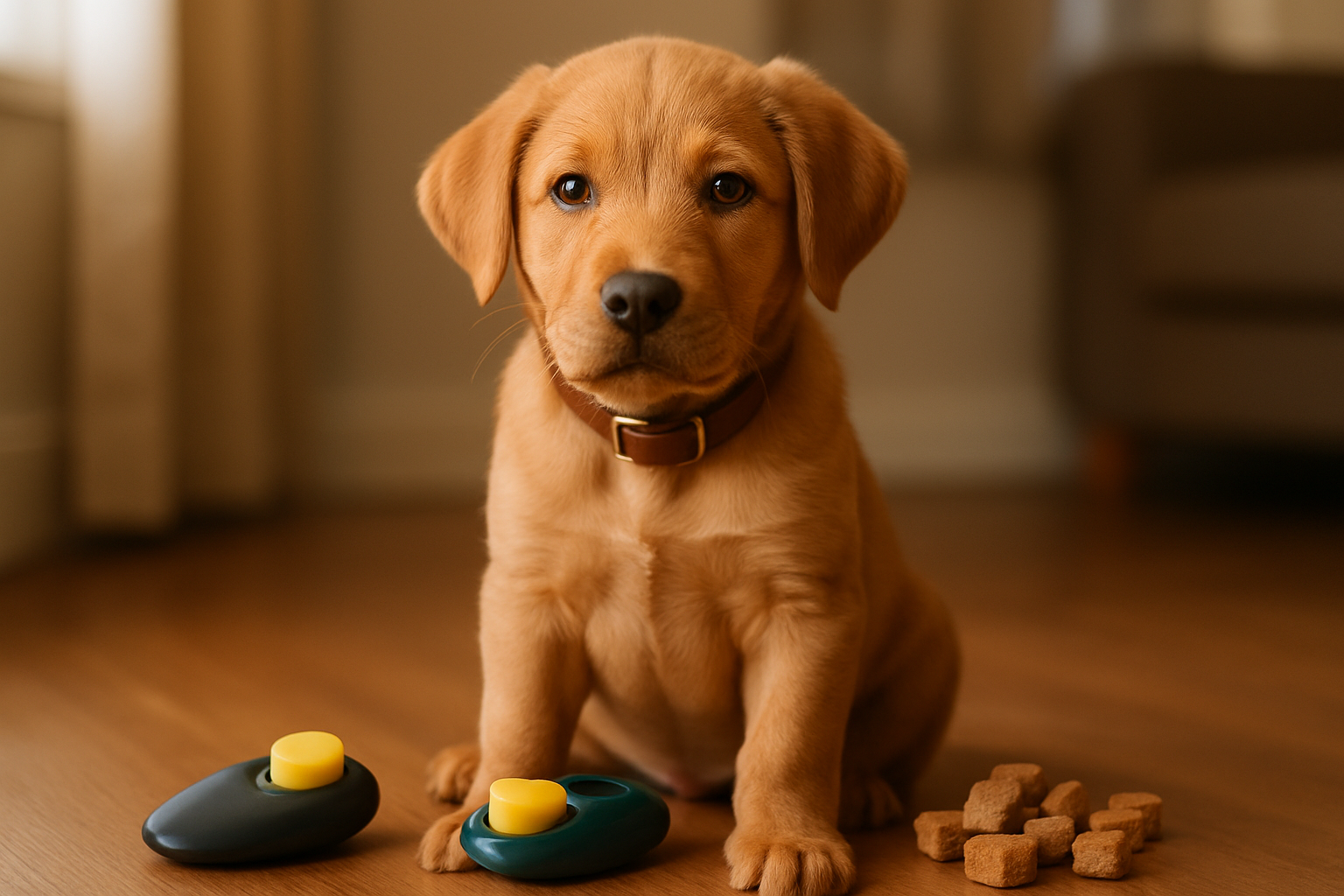
Managing Puppy Excitement and Hyperactivity: A Comprehensive Guide for New Dog Parents
If you're a new puppy parent, you've likely experienced moments when your adorable little furball transforms into an unstoppable whirlwind of energy. One moment they're peacefully napping, and the next, they're racing through your home like they've been launched from a cannon. While puppy enthusiasm is endearing, unmanaged hyperactivity can quickly escalate into behavioral challenges that become increasingly difficult to address as your dog matures.
The good news? Understanding what drives puppy excitement and learning how to channel that energy appropriately can make a tremendous difference in your dog's development and your household's harmony.
Understanding Puppy Excitement vs. Hyperactivity
Before we dive into management strategies, it's crucial to distinguish between normal puppy excitement and problematic hyperactivity. [1] Many new puppy parents struggle to tell the difference, sometimes confusing genuine happiness with a state of over-excitement where their puppy has become physiologically aroused by stimuli.
When your puppy enters an excited state, their brain releases dopamine—the same neurotransmitter associated with pleasure and reward. This is why your puppy seeks out these thrilling experiences repeatedly. However, when excitement becomes excessive, it can actually become addictive, reinforcing compulsive behaviors that are difficult to interrupt. [1]
Signs of puppy over-excitement include:
- Uncontrollable running in circles or rapid back-and-forth sprinting (often called "zoomies")
- Jumping on people, furniture, or other dogs
- Mouthing, nipping, or biting with increasing intensity
- Excessive barking or whining
- Spinning in circles
- Inability to respond to commands or listen to you
It's important to note that some breeds—particularly those bred for herding or hunting—naturally display higher energy levels than others. [1] This breed-specific hyperactivity differs from problematic over-excitement and can be managed through appropriate outlets like regular training sessions and enrichment activities.
Identifying Your Puppy's Excitement Triggers
The first step toward managing your puppy's hyperactivity is detective work. Take time to observe your puppy's behavior patterns and identify what specifically triggers their excitement. [1]
Common puppy excitement triggers include:
- Anticipation: Your puppy hears your car in the driveway, sees you reaching for the leash, or notices you moving toward their food bowl
- Novel stimuli: Encountering other dogs, squirrels, unfamiliar people, or new environments during walks or outdoor time
- Interactive play: Escalating excitement during tug games, chase sequences, or rough-and-tumble play sessions
- Environmental changes: Guests arriving at your home, transitions between indoor and outdoor spaces, or changes in your daily routine
- Overstimulation: Too much activity, noise, or social interaction without adequate downtime
Consider keeping a simple log of when your puppy displays hyperactive behaviors and what was happening beforehand. You'll likely notice patterns emerging—perhaps your puppy goes into overdrive every time you come home, or they lose control during specific play activities. Understanding these triggers is essential for implementing targeted management strategies. [1]
The Critical Importance of Not Reinforcing Excitement
Here's something many well-meaning puppy parents do accidentally: they reinforce their puppy's hyperactivity through their own responses. [1] When your puppy is in an excited state and you respond with equally high energy—whether that's enthusiastic greetings, animated play, or excited verbal attention—you're essentially rewarding the behavior you want to decrease.
This is where the principle "you get what you pet" becomes invaluable. [1] Your energy level directly influences your puppy's arousal state. Instead of matching your puppy's excitement, maintain a calm, neutral demeanor when they're displaying over-excited behaviors. This might feel counterintuitive when your puppy is thrilled to see you, but it's one of the most effective ways to help them learn appropriate excitement levels.
What NOT to do when your puppy is over-excited:
- Don't use high-pitched, excited voices or facial expressions
- Don't engage in vigorous play or chase games when they're already aroused
- Don't reward jumping with attention (even negative attention can be rewarding)
- Don't assume they're "just being playful" and let inappropriate behavior escalate
Strategic Management Techniques for Hyperactive Puppies
Effective puppy management creates an environment where good behavior becomes the default and hyperactivity is prevented rather than corrected. [5]
Implement Structured Crate and Playpen Time
When your puppy is in an over-excited state, a crate or playpen provides a safe space for them to decompress. [1] This isn't punishment—it's a management tool that gives your puppy's nervous system time to reset. A 5-20 minute timeout allows them to self-regulate and calm down naturally. [5] Once your puppy appears settled and calm, you can reintroduce them to the environment. If they're still worked up, they may need additional time.
Establish Predictable Routines
Dogs thrive on consistency. Creating a structured daily schedule for feeding, bathroom breaks, exercise, and training helps reduce overall anxiety and hyperactivity. [2] When your puppy knows what to expect and when to expect it, they're less likely to develop anticipatory excitement that spirals into hyperactivity.
Use Leash Training as a Management Tool
During high-excitement moments—like when guests arrive or before outdoor adventures—keeping your puppy on a leash gives you immediate control without requiring physical restraint. [2] This prevents jumping, uncontrolled rushing, and other excited behaviors while you work on teaching appropriate responses.
Create Physical Boundaries
Baby gates and designated puppy areas help manage behavior by preventing your puppy from having free access to high-stimulation environments. [5] For example, if your puppy struggles with jumping on guests, crating them until visitors are settled, then introducing them on-leash, sets clear expectations about appropriate behavior.
Exercise and Mental Stimulation: The Foundation of Calm
One of the most effective ways to manage puppy hyperactivity is ensuring adequate physical and mental exercise. [2] However, it's important to understand that mental stimulation is often MORE important than physical activity alone. [5]
Physical exercise options include:
- Age-appropriate walks (generally 5 minutes per month of age, twice daily)
- Supervised play sessions in secure areas
- Swimming or water play (excellent low-impact exercise)
- Fetch games or chase play with appropriate boundaries
Mental stimulation activities include:
- Nose work and scent games
- Puzzle toys and interactive feeders
- Obedience training and trick work
- Sniff walks where your puppy leads and explores scents
- Breed-specific activities (herding games for herding breeds, digging pits for diggers)
- Tug-of-war games with appropriate rules
A well-exercised puppy—in both body and mind—is significantly calmer and more focused. [5] However, be mindful of over-exercising young puppies, as their growth plates are still developing. Consult your veterinarian about appropriate exercise levels for your puppy's age and breed.
Relaxation Training: Teaching Your Puppy to Calm Down
Beyond management, actively teaching your puppy to relax is one of the most valuable skills you can instill. Relaxation training teaches impulse control and helps your puppy develop the ability to settle themselves. [5]
The "Relax on a Mat" Protocol
This is one of the most effective relaxation training techniques. Here's how to implement it:
- Choose a designated mat or bed that your puppy will associate with calm behavior
- Start in a low-distraction environment and invite your puppy to the mat using a calm tone
- Reward settling behavior with quiet praise or treats when your puppy lies down
- Gradually increase duration by waiting longer before rewarding
- Introduce mild distractions once your puppy is reliably settling on the mat
- Use the mat strategically during high-excitement times (guests arriving, before walks, during meals)
Over time, your puppy may begin using their mat independently when they feel overwhelmed. [5] This self-regulation skill becomes invaluable throughout their life.
Addressing Excitement During Specific Scenarios
When You Come Home
Your arrival is often a major excitement trigger. Instead of greeting your puppy immediately, ignore excited behavior entirely. Only interact with them once they've calmed down. This teaches them that excitement doesn't earn your attention, but calm behavior does.
During Playtime
Monitor play intensity closely. If your puppy begins growling, snapping, or escalating nipping during play, immediately pause the activity. [1] This teaches them that inappropriate excitement ends the fun. Resume play only when they've settled.
During Walks
Use leash training techniques to maintain control when your puppy encounters exciting stimuli. Practice loose-leash walking in low-distraction environments first, then gradually introduce more challenging scenarios as your puppy develops impulse control. [2]
Nutritional and Environmental Considerations
Sometimes hyperactivity has roots beyond behavior. Consider these factors:
- Diet quality: Consult your veterinarian about whether your puppy's diet might be contributing to hyperactivity. [2] Some puppies respond better to specific protein levels or ingredient profiles
- Sleep requirements: Puppies need 15-20 hours of sleep daily. Insufficient sleep increases hyperactivity and irritability
- Environmental stress: Loud noises, chaotic households, or inconsistent handling can increase anxiety-driven hyperactivity
- Socialization: Proper socialization with other dogs in controlled settings can reduce excitement-based reactivity. [2]
When to Seek Professional Help
If your puppy's hyperactivity persists despite consistent management efforts, or if it's accompanied by aggression, anxiety, or destructive behavior, consult a professional dog trainer or veterinary behaviorist. [2] They can assess whether your puppy's behavior stems from excitement, anxiety, or underlying medical issues, and provide targeted intervention strategies.
Key Takeaways for Managing Puppy Excitement
- Distinguish excitement from hyperactivity: Normal puppy joy differs from problematic over-arousal states
- Identify triggers: Understanding what excites your puppy helps you prevent and manage episodes
- Maintain neutral energy: Your calm demeanor directly influences your puppy's arousal level
- Use management tools: Crates, leashes, and gates prevent rehearsal of unwanted behaviors
- Provide adequate stimulation: Both physical and mental exercise are essential for a calm puppy
- Teach relaxation skills: Active training of calm behavior is more effective than simply preventing excitement
- Stay consistent: Improvement takes time and unwavering consistency in your approach
Managing puppy hyperactivity isn't about eliminating your puppy's joy and enthusiasm—it's about channeling that wonderful energy into appropriate outlets and teaching your puppy when and how to be excited. With patience, consistency, and the right strategies, you'll help your puppy develop into a well-adjusted, calm companion who can enjoy life's thrills without losing control.
Sources & References
- https://www.thepuppyacademy.com/blog/2020/11/9/how-to-calm-an-over-excited-puppy
- https://www.bevilldogbehavior.com/blogs/news/managing-hyperactive-behavior-in-dogs
- https://www.breezeguard.com/blog-post/how-to-ease-over-excitement-in-dogs/
- https://underdogslb.com/2023/03/07/relaxation-training-for-hyper-dogs-puppies/