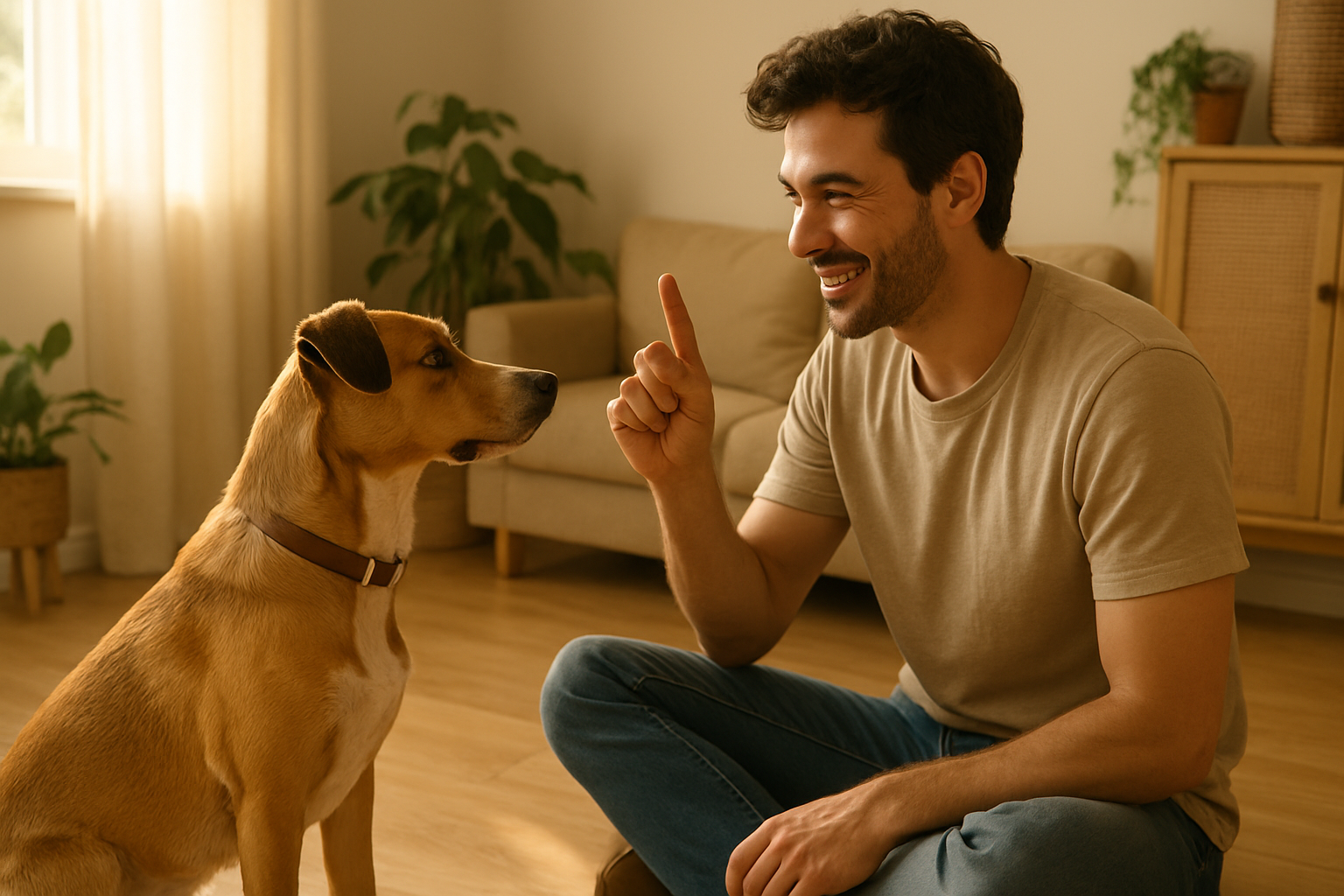
Dog training in 5 minutes effectively combines behavioral science with play-based learning to maximize results in minimal time. Dogs absorb commands more effectively through brief, concentrated bursts of training rather than lengthy drills.[1] When training feels like fun instead of work, your dog builds positive associations with learning itself and stays mentally engaged. This guide reveals quick, game-based training methods that fit seamlessly into your busy schedule—whether you have 3 minutes or 10—while strengthening your bond through focused interaction.
Why 5-Minute Training Sessions Actually Work Better
The biggest myth about dog training is that it requires lengthy, dedicated sessions. In reality, behavioral science tells us something quite different: dogs learn more effectively through brief, concentrated bursts of training rather than marathon sessions. [1] Think of it as quality over quantity—five minutes of focused, engaging interaction beats thirty minutes of repetitive drilling every single time.
Your dog's brain works like a muscle. Short, consistent repetitions create stronger neural pathways and better retention than exhausting, lengthy sessions. When training feels playful rather than like work, your dog stays mentally engaged and actually wants to participate. [1] This means you're building positive associations with training itself, not just teaching commands.
The real advantage? These micro-sessions fit naturally into moments you already have. There's no need to carve out special time or feel guilty about a packed schedule. Training becomes woven into your day—during walks, before meals, or while waiting for your coffee to brew. [2]
The Science Behind Short Training Sessions
Neuroscience research demonstrates that dogs retain information better when learning happens in multiple short intervals rather than one long session. This phenomenon, called "spaced repetition," strengthens memory formation. [1] Additionally, shorter sessions prevent mental fatigue, keeping your dog's focus sharp and motivation high.
When you limit training to five minutes, you're also more likely to end on a positive note—exactly when your dog is succeeding and feeling confident. This creates a powerful cycle: your dog associates training with success and rewards, making them eager to participate next time. [1]
Game 1: The "Stop and Go" Loose-Leash Challenge
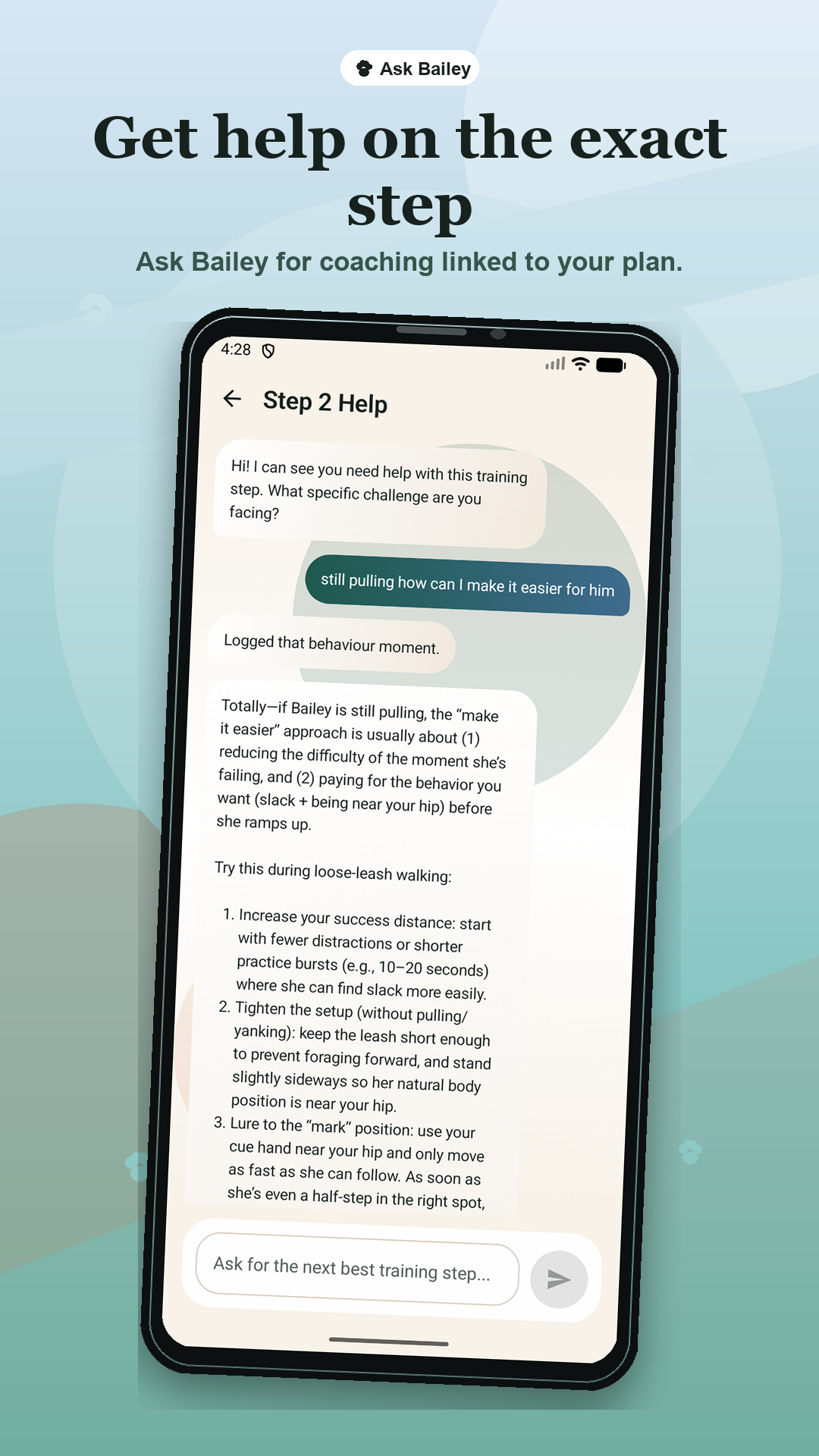
Pulling on the leash is one of the most frustrating walking problems, yet it's remarkably easy to address with consistent micro-training. This game teaches your dog that forward movement happens only when the leash is slack.
How to play (2-5 minutes):
- Begin your regular walk as usual
- The moment your dog pulls, stop walking completely and stand still
- Wait patiently—don't move forward, don't speak
- The instant the leash becomes slack (even for a second), mark the behavior with an enthusiastic "yes!" or a clicker if you use one
- Immediately reward with a treat and continue walking
- Repeat this pattern throughout your walk
Pro tip: Practice this during your regular walk to the park, not once you arrive and your dog is already excited. [1] The goal is to catch and reward the correct behavior before high-energy situations derail your progress.
Why it works: Your dog learns that pulling stops progress, while a loose leash allows forward movement. This creates a natural consequence that's far more effective than corrections.
Game 2: The "Recall Party" Excitement Builder
A reliable recall (coming when called) is one of the most valuable skills your dog can master, especially for safety. This game transforms your recall cue into something your dog genuinely wants to respond to.
How to play (3 minutes):
- Start indoors in a low-distraction environment
- Show your dog a treat, then toss it a few feet away
- As they move toward it, use your recall cue ("Come!" or whatever word you choose)
- When they finish the treat and look back at you, immediately celebrate wildly—treats, praise, happy voice, the full party
- Repeat 5-10 times, varying the direction you toss treats
- Gradually increase distance as your dog's reliability improves
Pro tip: Reserve this cue primarily for training sessions, so it remains novel and exciting. [1] Avoid using "Come" casually throughout the day, as this dilutes its power.
Why it works: By pairing your recall cue with excitement and rewards, your dog develops a strong positive association. They're not coming because they have to—they're coming because something amazing happens when they do.
Game 3: The "Impulse Control" Wait Game
Teaching your dog to wait builds self-control and focus, making them more responsive in real-world situations. This game is deceptively simple but incredibly powerful.
How to play (1-2 minutes):
- Hold a treat at your dog's nose level
- Slowly move your hand away and slightly upward
- The moment your dog pauses, hesitates, or sits, mark it with "yes!" and deliver the treat
- Repeat this sequence 5-8 times
- Gradually increase the duration of the wait before rewarding
Real-world applications: Use this same principle before meal times, when opening doors, or before putting on the leash. [2] Your dog learns that patience and self-control unlock good things.
Why it works: You're rewarding the moment your dog makes the right choice, which reinforces impulse control throughout their daily life. A dog with strong impulse control is safer, more focused, and easier to manage.
Game 4: The "Doorbell Calm" Greeting Game
Does your dog jump on guests or bolt through open doors? This game teaches calm behavior around exciting moments using the same training principles.
How to play (5 minutes):
- Ring the doorbell yourself (or have a family member do it)
- The instant it rings, wait for your dog to sit or show calm behavior
- Reward immediately with a treat and praise
- If your dog jumps, simply ignore the behavior (no attention, no reaction) and wait for them to reset
- Reward the calm behavior again
- Repeat 5-10 times per session, a few times per week
Pro tip: Practice this before your dog is in a hyped-up state. [1] Multiple short sessions are more effective than one long practice when you have a guest arriving.
Why it works: Your dog learns that calm behavior earns rewards, while jumping and chaos earn nothing. Over time, sitting calmly becomes their default response to the doorbell.
Game 5: The "Nose Work" Mental Enrichment Challenge
Sometimes training doesn't look like traditional commands—it can be a game that taps into your dog's natural instincts. Nose work provides significant mental exercise in minimal time. [2]
How to play (3-5 minutes):
- Hide treats or a favorite toy in easy-to-find locations around one room
- Use an excited voice: "Find it!"
- Let your dog search and discover the hidden items
- Celebrate each discovery enthusiastically
- Gradually hide treats in more challenging spots as your dog improves
Variations: Hide treats under cups, inside puzzle toys, or within a muffin tin covered with tennis balls. Each variation keeps the game fresh and engaging.
Why it works: Nose work engages your dog's most powerful sense and provides mental stimulation equivalent to a much longer physical exercise session. A mentally stimulated dog is calmer, more focused, and better behaved overall.
Game 6: The "Command Rotation" Quick Drill
Rotate between essential commands to keep your dog sharp and prevent boredom. This approach maintains skills while keeping training dynamic.
How to play (5 minutes):
- Spend about 1 minute on each command: Sit, Stay, Down, Leave It
- Use high-value treats to maintain enthusiasm
- Praise generously after each successful repetition
- End on a success, not a failure
- Keep the energy upbeat and playful throughout
Best timing: Practice before meals, during TV commercial breaks, or while waiting for water to boil. [2] These naturally occurring moments mean you're not "taking time away" from your schedule.
Integrating Training Into Your Existing Routine
The secret to consistent training isn't willpower—it's habit stacking. Link training to activities you already do daily.
Morning routine opportunities:
- Practice "Sit" and "Stay" while your coffee brews
- Work on loose-leash walking during your morning dog walk
- Do a quick recall game before heading to work
Midday opportunities:
- Reinforce "Leave It" before lunch
- Play nose work games during your lunch break
- Practice impulse control before meal time
Evening opportunities:
- Do command drills during TV commercials
- Practice doorbell training before dinner
- End the day with a calm "Wait" exercise before bedtime
Visual reminders: Place sticky notes on your coffee maker, bathroom mirror, or near your dog's food bowl. Keep a treat pouch by the door as a visual cue. [1] These small reminders help training become automatic rather than something you have to remember.
Essential Training Tips for Busy Owners
Quality beats quantity every time. Five minutes of focused, enthusiastic training outperforms thirty minutes of half-hearted repetition. [1] Your energy and attention matter as much as the time invested.
Consistency matters more than perfection. Some days you'll train for two minutes, other days ten. That's completely fine. [1] The goal is regular, brief engagement, not perfect adherence to a schedule.
End on success. Always finish training sessions while your dog is still succeeding and engaged. This creates positive momentum for the next session.
Use high-value rewards. During training, use treats your dog genuinely loves—not everyday kibble. Save special rewards for training to maintain motivation.
Keep distractions minimal initially. Start training in quiet, familiar environments before moving to busier settings. Build confidence first, then add environmental challenges.
Celebrate small wins. Progress isn't always dramatic. Acknowledge and reward incremental improvements. Your dog learns through consistent positive reinforcement.
Measuring Progress Without Obsessing
Avoid the trap of expecting overnight transformation. Behavioral change happens gradually through accumulated repetitions. Notice improvements like:
- Fewer pulling incidents during walks
- Quicker response to recall cues
- Calmer greetings when guests arrive
- Better impulse control around food or toys
- Increased focus and engagement during training
Take brief notes or photos to document progress. Looking back at where you started often reveals improvements you might otherwise overlook.
Common Challenges and Solutions
Challenge: "My dog loses interest quickly." Solution: Rotate between different games and commands to maintain novelty. Keep training sessions playful rather than robotic. Use higher-value treats.
Challenge: "I forget to train consistently." Solution: Link training to existing habits (morning coffee, evening TV). Set phone reminders. Keep treats visible as a cue.
Challenge: "My dog seems tired or unmotivated." Solution: Ensure your dog is getting adequate sleep and exercise. Try training at different times of day. Use more exciting rewards.
Challenge: "Training feels like just one more thing on my to-do list." Solution: Reframe it as quality bonding time rather than a chore. Notice how these moments strengthen your relationship with your dog.
The Bottom Line: Small Moments, Big Results
You don't need to be a professional trainer or have unlimited free time to develop a well-mannered, engaged dog. Five minutes of consistent, quality training creates remarkable behavioral improvements over time. [1] Think of it like brushing your teeth—a small, daily habit that compounds into significant results.
The beauty of five-minute training games is that they're sustainable. Unlike ambitious plans to train for an hour daily (which most busy owners abandon), these bite-sized sessions fit naturally into real life. You're not rearranging your schedule; you're maximizing moments you already have.
Start today. Choose one game that resonates with your dog's biggest challenge. Practice it for five minutes during a moment you already have available. Notice how your dog responds. Build from there. Within weeks, you'll see meaningful behavioral improvements—and you'll have invested only minutes of your time.
Your dog doesn't need a perfect trainer with unlimited availability. They need consistent engagement, clear expectations, and positive reinforcement. Five minutes at a time is absolutely enough to deliver all three.