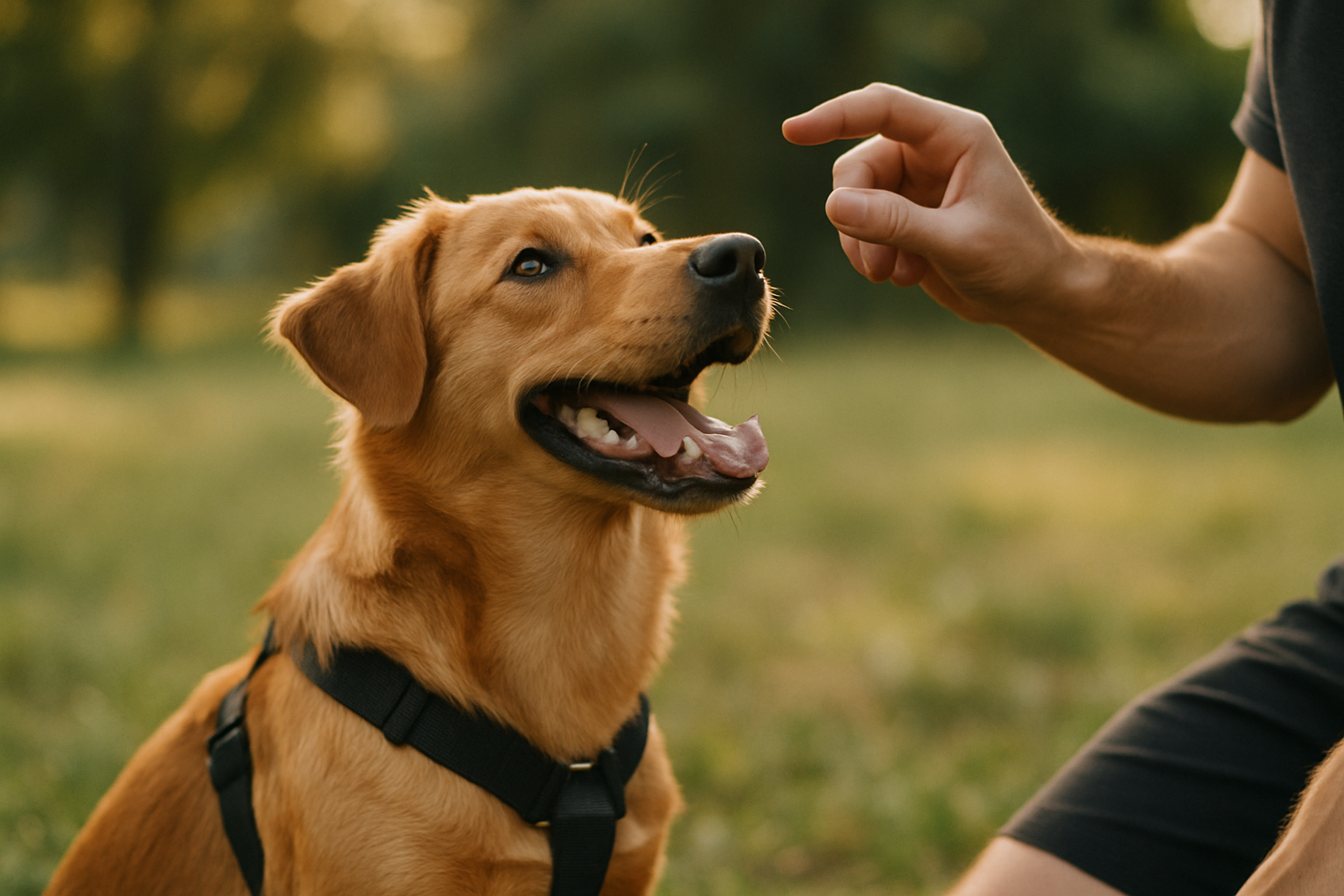
Why Your Puppy Hates the Leash: Fear Fix & Gentle Training Steps
You reach for the leash and suddenly your puppy vanishes. Or worse, they plant themselves on the ground like they've been glued there. Maybe they fight the harness, spin in circles, or turn the whole situation into a game of chase—except you're not having fun.
If this sounds familiar, you're not alone. And here's the thing: your puppy doesn't actually hate the leash itself. The problem is how they've learned to experience it. [1]
The good news? This is completely fixable. Understanding the root cause and using a gentle, patient approach can transform your puppy from leash-avoider to willing walking partner in just days or weeks.
Why Do Puppies Really Hate the Leash?
Before you can fix the problem, you need to understand what's actually happening in your puppy's mind.
It's Not About the Leash—It's About the Experience
When a puppy resists the leash, they're not being difficult. They're responding to something that feels uncomfortable, confusing, or scary. The leash itself is just an object—but what it represents to your puppy is what matters. [1]
Common reasons puppies resist leashes include:
- Sudden pressure or restriction: When the leash tightens unexpectedly, it can startle or frighten a sensitive puppy. Even a light tug that seems harmless to you might feel like a jerk to them. [3]
- Sensory overload: The collar or harness itself is a new sensation. Add the weight of the leash, and your puppy might feel trapped or confused about what's happening. [2]
- Loss of control: Puppies are naturally curious and independent. Being tethered means they can't explore freely, which feels limiting and stressful.
- Separation anxiety: For some puppies, the leash signals they're leaving their safe space (home or yard) without understanding what comes next.
- Past negative experiences: If someone has pulled, dragged, or forced your puppy into the leash before, they've already learned it's something to avoid. [1]
The Accidental Training Trap
Here's where many well-meaning owners accidentally make things worse: when your puppy resists, you naturally try harder. You chase them to grab the leash. You pull a little to get them moving. You negotiate with treats. [1]
From your puppy's perspective, this creates a game. The more they resist, the more attention and interaction they get. Suddenly, the leash has become something that triggers excitement and evasion—which reinforces the very behavior you're trying to prevent.
Fear-Based Training: Why Gentle Approach Wins
Older training methods relied on correction and force. Puppies eventually "learned" to walk on leash, but many developed lasting anxiety about it. [3]
Modern, fear-based training recognizes that puppies learn best when they feel safe and rewarded. The goal isn't to force compliance—it's to help your puppy understand that the leash means good things happen.
This approach is especially important because puppies in their first four months are like sponges, absorbing lessons about the world. If they learn that the leash is scary, that lesson sticks. If they learn it's the gateway to adventure and treats, that sticks too. [2]
Step-by-Step: Building Your Puppy's Leash Confidence
The key to success is breaking the process into small, manageable steps. Depending on your puppy's age, temperament, and past experiences, this might take three days or three weeks. Either timeline is perfectly fine. [2]
Step 1: Build Comfort Before Attachment
Start in a safe, confined space—your home or a puppy-proofed room. The goal here is simply to let your puppy get used to the collar or harness without any pressure or expectation.
- Leave the collar or harness on the floor near your puppy. Let them investigate it, sniff it, and get curious about it on their own terms.
- Once they seem comfortable, gently place it on them for just a few seconds, then immediately remove it and reward with treats or play.
- Repeat this over several sessions, gradually increasing the time it stays on. No leash attached yet—just the collar or harness.
- Keep your energy calm and matter-of-fact. Don't make a big deal out of putting it on.
Timeline: This might take one session or several, depending on your puppy. Move forward only when your puppy seems relaxed.
Step 2: Introduce the Leash Without Pressure
Now it's time to add the leash, but still without any expectation that your puppy will move or follow.
- Attach the leash to your puppy's collar or harness while they're indoors and in a safe space.
- Let them walk around freely with the leash dragging behind them. Your job is just to supervise and make sure it doesn't get caught on anything.
- Don't hold the leash yet. This is just about letting your puppy get used to the weight and feel of it. [3]
- Reward calm behavior with treats and praise. If your puppy seems anxious, remove the leash and try again later.
Pro tip: Many puppies feel less overwhelmed by a lightweight collar than a full harness. Consider starting with a simple flat collar or martingale collar before introducing a harness. [2]
Step 3: Create Positive Associations Indoors
Before you ever step outside, teach your puppy that following you on a leash is rewarding.
- In your home, with the leash attached but held loosely, move around in an engaging way. Use a playful voice, clap your hands, or take quick, bouncy steps.
- When your puppy follows you naturally (even just a few steps), immediately reward with treats, praise, or play. [3]
- Keep sessions short—just 5-10 minutes. You want to end on a positive note before your puppy gets bored or frustrated.
- Practice this indoors several times before attempting outdoor walks.
Important: Keep the leash in a loose arc at all times. The moment you feel tension, stop moving and wait for your puppy to relax. Avoid any pulling or tightening. [3]
Step 4: Transition to Outdoor Exploration
Once your puppy is comfortable walking beside you indoors, it's time for the outside world. But approach this carefully—outdoor environments are much more stimulating.
- Start in a quiet, familiar space like your backyard or a low-traffic area.
- Keep initial outdoor sessions very short and low-pressure. The goal is exposure and comfort, not obedience or distance.
- Let your puppy sniff freely. Those "sniffaris" are actually crucial for building confidence and learning about their environment. [2]
- Bring high-value treats and reward frequently for calm behavior and following you.
- If your puppy freezes or refuses to move, don't pull. Instead, sit down, be patient, and let them take their time. Sometimes just waiting quietly helps them realize nothing scary is happening.
Step 5: Handle the "Freeze" Response
Some puppies don't run away—they plant themselves and refuse to move. This is also a fear response and requires patience.
- Never drag a frozen puppy. This reinforces their fear and teaches them the leash means being forced into scary situations.
- Instead, try backing away from your puppy a few steps with an excited, happy voice. Sometimes this triggers their natural curiosity and they'll follow you.
- Alternatively, sit down on their level and let them come to you at their own pace.
- If nothing works, calmly pick them up, move to a less overwhelming location, and try again another time.
Step 6: Establish a Calm Routine
Once your puppy is walking on leash without fear, the final step is making it part of your daily routine—not a special event. [1]
- Stop making a big deal about getting the leash. No chasing your puppy to catch them. No excited energy that signals something unusual is about to happen.
- Simply attach the leash as a matter-of-fact part of your routine, like putting on shoes.
- Walk at your puppy's pace, allowing sniffing and exploration. This isn't the time to enforce a perfect heel.
- Consistency is key. Regular, calm leash time helps your puppy understand it's just a normal part of life.
Special Situation: The Running-Away Puppy
If your puppy bolts when they see the leash, you need to interrupt this pattern before it becomes a habit. [1]
- Don't chase. Chasing turns this into a game, and your puppy will get better at running away.
- Use a "Place" command instead. Teach your puppy to go to a specific spot (bed, crate, mat) on cue. When you need to put on the leash, call them to "Place" rather than chasing them around.
- Make the leash appear casually. Instead of grabbing the leash dramatically, have it nearby and attach it matter-of-factly when your puppy is calm and in their "Place."
- Reward heavily. Once the leash is on, immediately reward your puppy for staying calm. This breaks the association between "leash appears" and "panic."
Equipment Matters: Choosing the Right Gear
The type of collar or harness you use can make a real difference in your puppy's comfort level.
- Start simple: A lightweight flat collar is often easier for puppies to accept than a harness. [2]
- Martingale collars: These limited-slip collars are secure but gentle and feel less restrictive than standard collars. They're ideal for the early stages of leash training.
- Harnesses: Introduce harnesses only after your puppy is comfortable with a collar and leash. Harnesses add extra sensory input and can feel more restrictive.
- Avoid: Choke chains, prong collars, and other aversive equipment can increase fear and anxiety in sensitive puppies.
The Buddy System: Learning From Another Dog
If you have access to a calm, well-behaved adult dog, this can be a game-changer. Puppies naturally want to follow other dogs, and watching a confident dog enjoy a leash walk can inspire your puppy to do the same. [2]
If possible, arrange a few walks with a trusted adult dog. Many puppies who were previously refusing to move will suddenly trot happily alongside their canine friend.
Timeline Expectations: When Will This Get Better?
Every puppy is different. Some take to the leash in days; others need weeks. Factors that influence timeline include:
- Your puppy's age and developmental stage
- Their temperament (bold vs. cautious)
- Any previous negative experiences
- Consistency of your training approach
- Environmental factors (busy vs. quiet areas)
The important thing is that you're making progress, even if it's slow. Small wins—like your puppy taking a few more steps, or seeming slightly less anxious—are worth celebrating.
What NOT to Do
As important as knowing what to do is knowing what to avoid:
- Don't pull or drag. This creates fear and teaches your puppy the leash is something to resist.
- Don't chase. You'll only reinforce the running-away behavior.
- Don't use the leash for correction. Save leash training for building confidence, not for punishment.
- Don't rush the process. Skipping steps or moving too fast often means starting over from scratch later.
- Don't make it a battle. If you're frustrated, your puppy will sense it and become more anxious.
When to Seek Professional Help
Most puppies respond well to patient, gentle leash training. However, if your puppy shows signs of severe fear (extreme trembling, panic, or aggression), or if their resistance seems connected to pain or discomfort, consult with a veterinarian or certified professional dog trainer. They can rule out medical issues and provide specialized guidance tailored to your puppy's needs.
The Bottom Line
Your puppy doesn't hate the leash—they're just scared or confused about it. By breaking the training into small, manageable steps, keeping things calm and consistent, and focusing on building positive associations, you can transform leash time from a daily battle into a normal, enjoyable part of your routine. [1]
Remember, the leash is a tool for safety and bonding. When introduced with patience and care, it opens the door to all the adventures and socialization your growing puppy needs. You've got this.
Sources & References
- https://www.thepuppyacademy.com/blog/2026/4/30/why-your-puppy-hates-the-leash-and-what-to-do-about-it
- https://www.whole-dog-journal.com/puppies/pup-wont-go-steps-to-take-for-puppy-leash-training/
- https://cattledogpublishing.com/blog/my-puppy-wont-walk-on-leash-3-ways-to-train-your-puppy-to-love-her-leash/