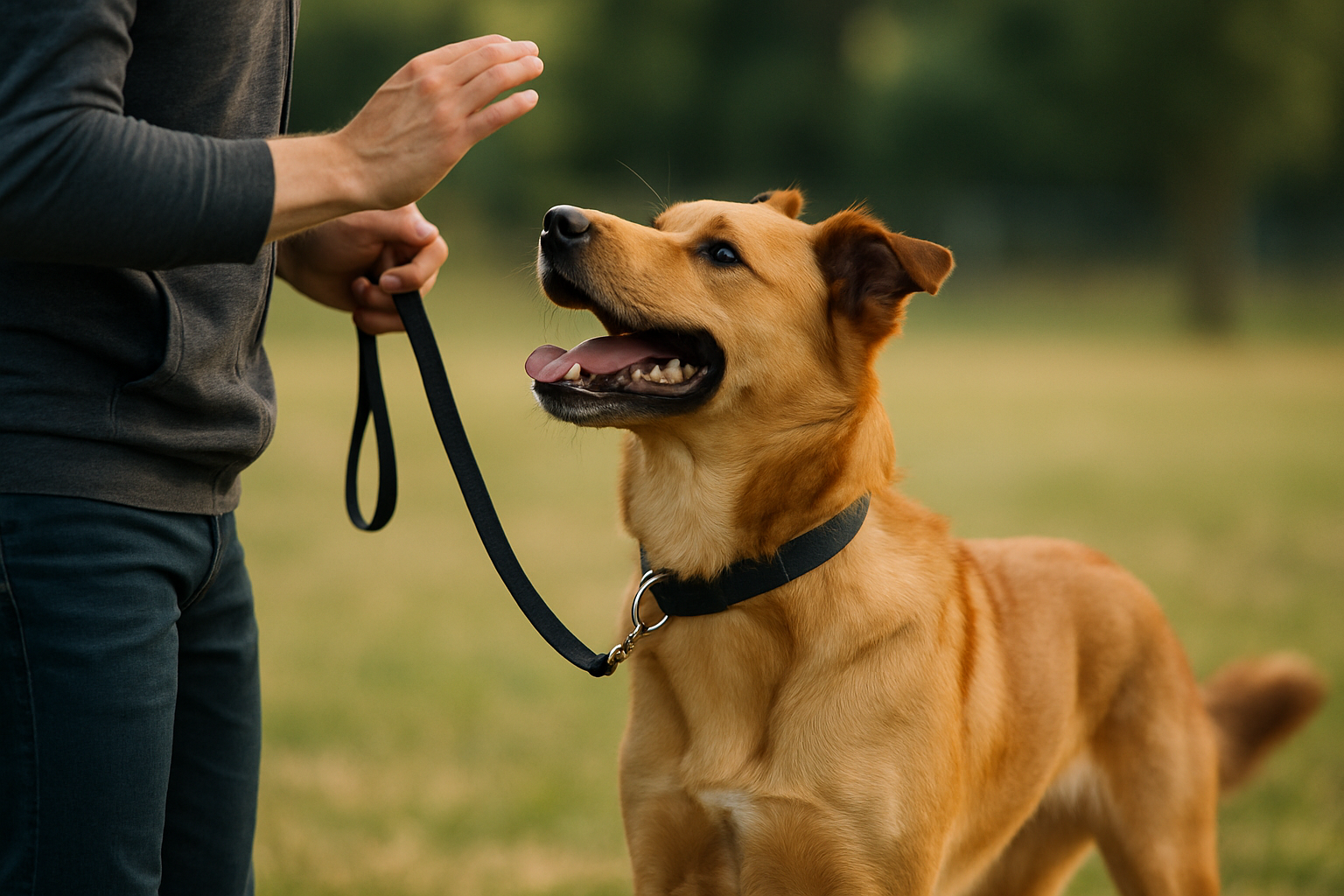
Understanding Puppy Resource Guarding: It's More Normal Than You Think
If your puppy growls when you approach their food bowl, stiffens over a toy, or refuses to let you near their chew, you're witnessing resource guarding—one of the most common behavioral concerns dog owners face. The good news? This behavior is completely normal and instinctive. [2] [3] Dogs are naturally programmed to protect things they value, a survival instinct inherited from their wild ancestors. The challenge isn't eliminating this instinct; it's managing it before it escalates into something more serious.
The critical distinction lies in understanding that resource guarding exists on a spectrum. Your puppy might simply pause when you approach their food bowl, or they might show teeth and snap. Both are forms of guarding, but they require different approaches. The encouraging part? Early intervention during puppyhood is far more effective than trying to modify this behavior in adult dogs.
Why Puppies Guard Resources: The Fear Factor
Before diving into solutions, it's essential to understand what's actually driving your puppy's guarding behavior. The underlying emotion is almost always fear. [2] [3] Your puppy isn't being stubborn or dominant—they're worried. They're anxious that something they value will be taken away.
This fear often develops through experience. If you've ever forcefully removed items from your puppy's mouth, taken away their chew while they were enjoying it, or repeatedly grabbed toys during play, you've inadvertently reinforced their fear. [1] Each time you take something away, your puppy's brain registers: "When humans approach while I have something good, I lose it." This creates a cycle where your puppy guards more intensely to protect their possessions from the threat they perceive in you.
Even well-intentioned training methods can backfire. Pushing your puppy's bottom to teach sit, using punishment-based corrections, or employing devices designed to create unpleasant experiences can increase anxiety and worsen guarding behavior. [1] These approaches suppress behavior temporarily but don't address the underlying fear—and often create additional behavioral problems.
Prevention: The Most Powerful Tool You Have
The best approach to resource guarding is preventing it from developing in the first place. Smart management strategies create an environment where your puppy never feels the need to guard. [2] [3]
Create a Resource-Guarding Prevention Checklist
- Separate feeding spaces: Feed your puppy in a quiet, low-traffic area away from other pets and family members. If you have multiple dogs, feed them in completely separate rooms with closed doors. This eliminates competition and removes the trigger for guarding behavior.
- Remove high-value items: Identify what your puppy guards most intensely—premium chews, certain toys, or specific treats. During the prevention phase, keep these items out of reach entirely. [3] You're not being mean; you're being smart. Once your puppy has learned better patterns, you can gradually reintroduce these items under controlled conditions.
- Manage access to spaces: If your puppy guards their crate, bed, or favorite corner of the couch, use baby gates or closed doors to prevent unsupervised access. Crates, pens, and baby gates are your allies in preventing opportunities for guarding to occur. [2]
- Supervise toy play: During the prevention phase, rotate toys rather than leaving multiple high-value items available simultaneously. This reduces competition and the need for your puppy to guard.
- Control your own behavior: Stop taking things away from your puppy. This single change is transformative. Instead of grabbing the sock your puppy found, trade for it. Instead of removing the toy, ask your puppy to drop it in exchange for something better.
Building the Foundation: Training Before the Problem Escalates
While prevention creates the right environment, proactive training builds the skills your puppy needs to feel confident and relaxed around their possessions. These foundational exercises are most effective when started early, before guarding behavior becomes entrenched.
Teach a Reliable "Drop It" Cue
A strong drop-it command is your most valuable tool for managing resource guarding. [1] The key is teaching it through play and positive association, not through confrontation.
- Start with a low-value item your puppy likes but doesn't obsess over—a regular tennis ball or a rope toy works well.
- Play fetch or tug with your puppy in a low-distraction environment.
- When your puppy returns with the item, hold out a high-value treat (small pieces of chicken, cheese, or training treats).
- The moment your puppy drops the item to take the treat, mark the behavior with a word like "Yes!" or a hand signal, then immediately give the treat.
- Repeat this dozens of times over several sessions. Your puppy learns: "Dropping things when humans are nearby leads to treats and the game continuing."
- Once your puppy reliably drops the item for treats, add your verbal cue ("Drop it") just before offering the treat.
- Gradually practice with slightly higher-value items, always ensuring your puppy succeeds and receives the reward.
This approach teaches your puppy that dropping items is rewarding, not punishing. [1] It also prevents you from ever having to forcefully take something away, which would reinforce guarding behavior.
Practice "Leave It"
Teaching your puppy to leave items alone is equally important. [2] This skill prevents many guarding situations from ever developing.
- Place a low-value treat on the ground and cover it with your foot or hand.
- When your puppy stops trying to access it, mark the behavior and reward with a different, higher-value treat from your hand.
- Gradually increase the value of the item on the ground as your puppy improves.
- Eventually, practice with items your puppy finds around the house—socks, paper, sticks—rewarding them generously for leaving these items alone.
Teach "Hand Targeting" and Basic Manners
Hand targeting—teaching your puppy to touch their nose to your hand—creates a positive association with your approach. [1] It's a simple but powerful tool that teaches your puppy your hands mean good things, not threat.
- Hold a treat near your hand.
- When your puppy touches their nose to your hand to get the treat, mark and reward.
- Practice this dozens of times until your puppy eagerly seeks out your hand.
- This becomes valuable when your puppy has a resource—instead of approaching to take it, you can call them to you for a hand target, completely changing the interaction.
The Counter-Conditioning Approach: Changing Your Puppy's Emotional Response
If your puppy has already shown guarding behavior, counter-conditioning teaches them that your approach to their resources is a positive event, not a threat. [2] [3] This method systematically changes the emotional association from fear to happiness.
Step-by-Step Counter-Conditioning Protocol
- Start at a distance: Place a low-value item on the ground where your puppy can see it. Stand far enough away that your puppy shows no concern about your presence. This distance varies by individual—some puppies are comfortable with you nearby, while others need you across the room.
- Reward calm behavior: While your puppy is relaxed with the item, toss treats toward them. Each treat comes from your direction, creating a positive association with your presence while they have something they value.
- Gradually decrease distance: Over multiple sessions, move slightly closer each time your puppy remains calm. Never push closer if your puppy shows tension, stiffness, or concern. Going back to the last successful distance and repeating is perfectly fine.
- Introduce your approach: Once your puppy is comfortable with you nearby, begin approaching slowly while tossing treats. If your puppy shows any tension, stop moving closer and resume tossing treats from your current position.
- Celebrate the arrival of your approach: Eventually, your puppy should become excited when they see you approaching while they have a resource, because they've learned your approach means treats appear. [1] This is the goal.
- Progress to higher-value items: Once your puppy is relaxed with low-value items, repeat the entire process with medium-value items, then higher-value items.
This process requires patience and consistency. Rushing the steps or moving closer too quickly can set your progress back significantly. The goal is error-free learning where your puppy never feels threatened or anxious. [2]
Managing Multiple Puppies or Dogs
If you have multiple puppies or dogs in your home, resource guarding between them requires additional management. [2] [3]
- Separate feeding: Always feed puppies in different rooms or crates. This is non-negotiable for preventing resource guarding from developing between littermates or housemates.
- Manage high-value items: Remove premium chews, bones, and special toys when multiple dogs are present. Rotate them or offer them only during separate times when each dog has their own space.
- Teach both dogs their roles: The guarding puppy needs to learn that approaching dogs don't mean their resources disappear. The approaching puppy needs to learn not to steal or challenge. [2] Both skills require separate training and practice.
- Use barriers strategically: Baby gates, crates, and closed doors are essential tools for managing the environment and preventing conflicts while you work on training.
What NOT to Do: Common Mistakes That Worsen Guarding
Understanding what to avoid is just as important as knowing what to do. Several common approaches actively reinforce resource guarding:
- Don't forcefully take items away: This is the single most reinforcing thing you can do for guarding behavior. Each time you take something, you confirm your puppy's fear that humans approach to steal their valuables. [1] [5]
- Don't hand-feed exclusively: While hand-feeding isn't inherently harmful, relying solely on hand-feeding creates social pressure and dependency that can contribute to guarding behavior. [5]
- Don't use punishment or force-based methods: Pushing your puppy's bottom, alpha rolls, or other dominance-based techniques increase anxiety and often worsen guarding. [1] These methods suppress behavior temporarily but don't address the underlying fear.
- Don't use aversive devices: Sonic devices or other tools designed to create unpleasant experiences may stop unwanted behavior momentarily, but they increase overall anxiety and can trigger or worsen resource guarding. [1]
- Don't try to establish dominance: Outdated theories about wolf pack hierarchies suggested letting dogs fight to establish who eats first. This approach is dangerous and damages your relationship with your puppy. [5]
- Don't wait for the behavior to escalate: The earlier you address resource guarding, the easier it is to resolve. Waiting until your puppy is growling and snapping makes training significantly more challenging.
Trading, Not Taking: The Philosophy Shift
One of the most important mindset shifts you can make is moving from "taking things away" to "trading for things." [1] [5] This reframes the interaction entirely from your puppy's perspective.
When your puppy grabs something inappropriate—a sock, a piece of trash, a dangerous item—instead of chasing them down and forcefully removing it, offer a trade. Hold out a high-value treat or toy and wait for your puppy to drop the item. The moment they do, mark the behavior and give the reward.
Keep high-value trade items on hand at all times. Small pieces of chicken, cheese, or special treats work well. Over time, your puppy learns that when they have something and you approach, something even better appears. This completely reverses the fear-based cycle that drives guarding behavior.
When to Seek Professional Help
Resource guarding exists on a spectrum, and the severity of your puppy's behavior should guide your next steps. While the strategies outlined in this guide are effective for mild to moderate guarding, some situations require professional intervention. [2] [3]
Contact a certified professional dog trainer or veterinary behaviorist if:
- Your puppy shows escalating aggression (growling, snapping, biting) over resources
- You've attempted training without improvement after several weeks
- Your puppy guards multiple categories of items (food, toys, people, spaces)
- You have concerns about safety in your household
- Your puppy's behavior has changed suddenly or dramatically
A qualified professional can assess your specific situation, identify contributing factors, and develop a customized training plan. They can also ensure you're reading your puppy's body language correctly and progressing at the appropriate pace. [2]
The Long-Term Payoff: A Relaxed, Confident Puppy
Successfully preventing and addressing resource guarding early in your puppy's life sets the foundation for a relaxed, confident adult dog. Your puppy learns that your presence around their valued items is a positive event. They develop trust that you won't take things away unfairly. They gain confidence that they can relax while eating, playing, and enjoying their possessions.
This transformation doesn't happen overnight. Consistent, patient application of these principles over weeks and months creates lasting change. But the effort you invest now—managing the environment, teaching foundational skills, using counter-conditioning, and shifting to a trading mindset—pays dividends throughout your dog's entire life.
Resource guarding is one of the most preventable and treatable behavioral issues in dogs. By starting early, understanding the fear underlying the behavior, and using positive reinforcement methods, you're setting your puppy up for success. Your future adult dog will be relaxed around their possessions, confident in their interactions with you and other dogs, and a joy to live with.
Sources & References
- https://www.doggoneproblems.com/loumi-stop-resource-guarding/
- https://clickertraining.com/how-to-prevent-resource-guarding-in-a-multiple-dog-household/
- https://deafdogsrock.com/how-to-prevent-resource-guarding-in-a-multiple-dog-household
- https://www.everydogaustin.org/post/how-to-prevent-resource-guarding-in-dogs