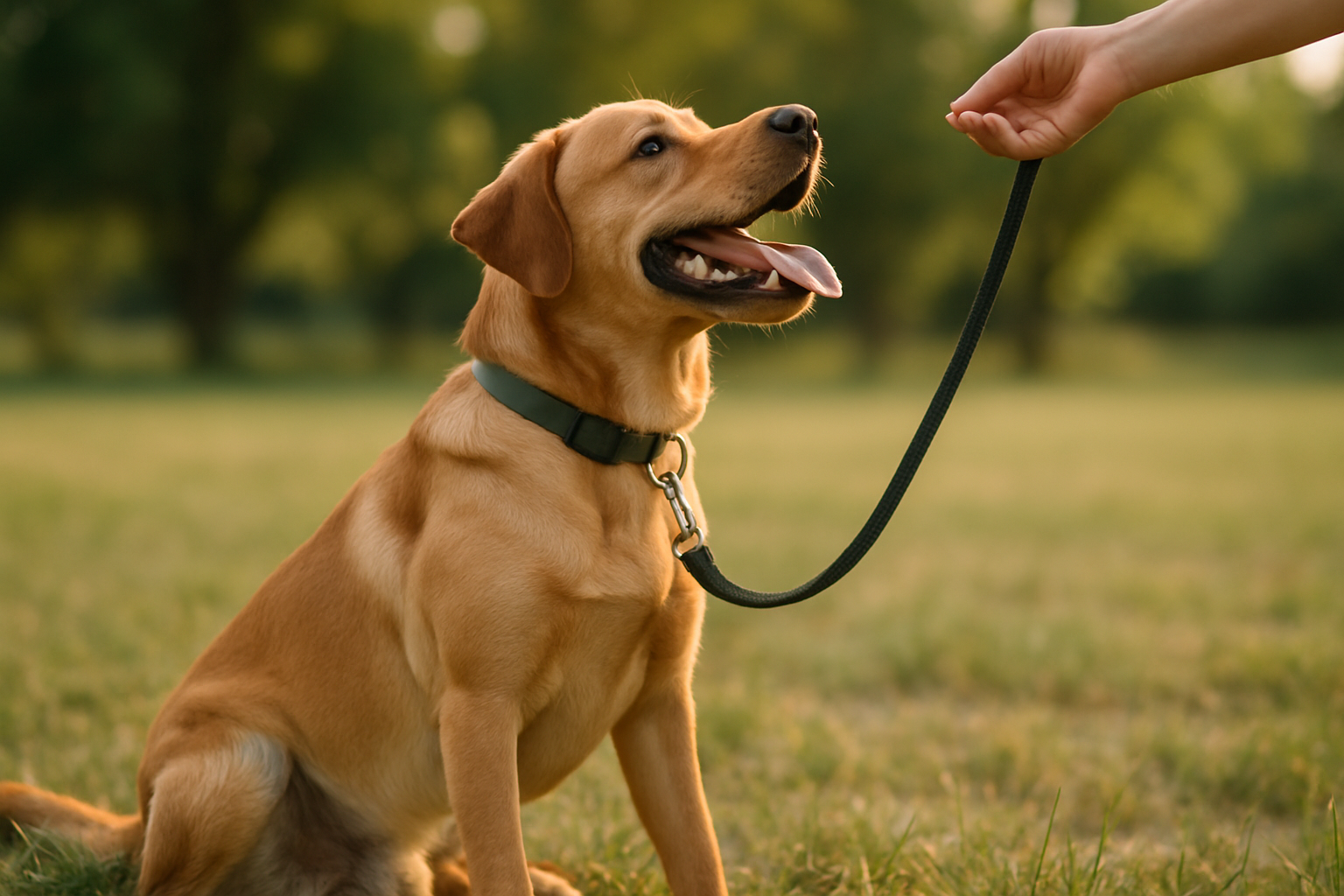
Why Your Puppy Pulls on the Leash
Before diving into solutions, it helps to understand why puppies pull in the first place. Young dogs are naturally curious and enthusiastic. They haven't yet learned that pulling doesn't get them where they want to go—at least, not in the way that matters. When a puppy lunges toward something interesting and the owner follows (or even resists), the puppy learns that pulling creates action. From the puppy's perspective, pulling works.
Many owners accidentally reinforce pulling by reacting to it. When you yank back on the leash, your puppy's natural instinct is to pull harder in the opposite direction to maintain balance. This is called the oppositional reflex, and it's a built-in survival mechanism in dogs. [4] Ironically, the very thing many owners do to stop pulling often makes it worse.
The good news? Puppies are incredibly learnable. With a consistent, reward-based approach, most puppies can grasp loose-leash walking within weeks.
Understanding What "Loose-Leash Walking" Really Means
Before starting your training plan, it's important to clarify what success actually looks like. Loose-leash walking doesn't mean your puppy walks in perfect heel position at your side, maintains constant eye contact, or never ventures to the end of the leash. [2]
Instead, loose-leash walking means:
- Your puppy has freedom to explore within the leash length
- Your puppy can sniff, look around, and move left or right
- Your puppy can walk ahead or fall behind—but never while pulling
- The leash remains slack, not taut
- Your puppy responds to directional changes and verbal cues
This is a functional, real-world skill that allows you to take your puppy for a casual, controlled walk without constant tension or struggle. [2] You're not training for competition obedience; you're teaching a pet dog how to be a pleasant walking companion.
Step 1: Check Your Equipment
The foundation of any leash-training plan starts with proper gear. Before you begin training, evaluate what your puppy is wearing.
Collar Fit
Your puppy's collar should be snug enough that they cannot slip out of it, but loose enough that you can comfortably fit one or two fingers between the collar and their neck. [3] A collar that's too loose defeats the purpose; a collar that's too tight causes discomfort and can restrict breathing during walks.
Leash Length
A standard 6-foot leash gives your puppy enough freedom to explore while keeping them safely within your control. Retractable leashes can actually encourage pulling because they provide inconsistent feedback and allow puppies to practice the pulling behavior repeatedly.
Consider a Training Harness or Head Halter (If Needed)
If your puppy is particularly strong or you need extra control, front-attachment harnesses or head halters can be helpful tools. Front-attachment harnesses redirect your puppy toward you when they pull, rather than allowing forward momentum. Head halters work similarly by gently turning the puppy's head back to you. [3] However, these tools are training aids, not substitutes for actual training. [4] Never use choke chains, prong collars, or electronic collars—these can cause physical harm and often make pulling worse. [3]
Step 2: Tire Out Excess Energy First
A puppy brimming with pent-up energy is far less capable of focusing on training. Before heading out for a formal leash-training session, let your puppy burn off some steam in a safe, enclosed area like your yard. [3]
A 10-15 minute play session can make a dramatic difference in your puppy's ability to concentrate and learn. A calmer puppy is a more receptive puppy.
Step 3: The "Red Light, Green Light" Method
This is one of the most effective and intuitive approaches to teaching loose-leash walking. The concept is simple: movement happens only when the leash is slack.
How It Works:
- Begin walking with your puppy on a slack leash
- The moment your puppy pulls and the leash becomes taut, stop walking immediately
- Stand still and wait. Don't pull back on the leash—just hold it steady
- Your puppy will eventually look back at you, ease off the tension, or sit
- The instant the leash goes slack again, praise enthusiastically and resume walking
- Repeat this cycle consistently
This method teaches your puppy a clear cause-and-effect relationship: pulling = no progress; slack leash = forward movement and praise. [4]
Important Note on Consistency:
If you only stop walking four out of five times your puppy pulls, your puppy learns that pulling sometimes works. Dogs think, "If it worked once, it will probably work again." [3] Consistency is non-negotiable. Stop every single time your puppy pulls, at least in the early stages of training.
Realistic Timeline:
Don't expect overnight results. Some puppies take a week or more to successfully walk even half a block without pulling. [4] This isn't a "walk for exercise" session; it's a training session. You may cover very little ground, and that's perfectly fine.
Step 4: Direction Changes and "Crazy Walking"
If your puppy doesn't respond to the stop-and-wait method, or if they need extra help focusing on you, try direction changes. This technique keeps your puppy guessing and forces them to pay attention to your movements rather than what's ahead.
How to Use Direction Changes:
- As your puppy pulls forward, turn and walk in the opposite direction without warning
- Don't yank the leash—simply change direction naturally
- Your puppy will find themselves behind you and will naturally turn to catch up
- Immediately praise and reward with a treat when they turn toward you
- Continue forward until they pull again, then change direction again
"Crazy walking"—making random, unpredictable direction changes throughout your walk—is an extension of this technique. [3] Instead of walking in a straight line from point A to point B, you zigzag, make U-turns, and change pace randomly. This keeps your puppy engaged and teaches them to monitor your movements constantly.
The beauty of this approach is that it makes you (the owner) the most interesting thing on the walk, not the squirrel three houses away.
Step 5: Reward Loose-Leash Walking
While stopping pulling is one side of the equation, actively rewarding good behavior is equally important. Whenever your puppy walks beside you with a slack leash, acknowledge it immediately.
Rewards Don't Have to Be Treats:
- Enthusiastic verbal praise ("Yes! Good walk!")
- Petting and physical affection
- A high-energy, excited tone of voice
- Small training treats
- A combination of the above
The more you reward your puppy for being in the right position (near you, on a slack leash), the more they'll want to stay there. [3] This builds positive association with loose-leash walking rather than relying solely on stopping the unwanted behavior.
Step 6: Give Your Puppy "Sniff Time"
Puppies need to be dogs. They need to sniff, explore, and mark territory. Denying this entirely creates frustration and makes walks feel restrictive. Instead, give your puppy designated sniff breaks. [4]
How to Structure Sniff Time:
- Use a verbal cue like "Go sniff" to signal when your puppy has permission to explore
- Allow 2-3 minutes of free sniffing
- Use another cue like "Let's go" to signal the end of sniff time
- Resume loose-leash walking with the expectation of a slack leash
With some of their natural urges satisfied, your puppy will be calmer and more capable of walking nicely beside you. This also makes walks more enjoyable for your puppy, which strengthens your bond.
Common Mistakes to Avoid
Yanking or Jerking the Leash
This is the most common mistake. When you pull on the leash, your puppy's oppositional reflex kicks in, and they pull harder. [4] Additionally, repeated jerking can cause neck injuries, especially in small breeds. Instead of correcting with force, use the methods outlined above: stopping, changing direction, and rewarding.
Inconsistency
If you sometimes let your puppy pull and sometimes don't, you're teaching them that pulling is a gamble worth taking. Be consistent every single time until the habit is firmly broken.
Expecting Perfection Too Soon
Your puppy won't unlearn pulling overnight. Patience is essential. Celebrate small wins—a few steps without pulling, a slack leash for 30 seconds—and build from there.
Using Punishment-Based Collars
Choke chains, prong collars, and electronic collars can cause physical pain, increase fear, and actually worsen pulling and other behavioral issues like leash reactivity. [3] Modern, science-backed training avoids these tools entirely.
When to Seek Professional Help
If after several weeks of consistent training your puppy still pulls excessively, or if the pulling is accompanied by lunging, aggression, or extreme reactivity, consult a certified professional dog trainer or veterinary behaviorist. [4] Some puppies have underlying anxiety, fear, or medical issues that require professional assessment and intervention.
The Bigger Picture: Building a Walking Habit
Loose-leash walking isn't just about preventing pulling—it's about creating a positive walking habit that lasts a lifetime. The time you invest now in consistent, patient training will pay dividends for years to come. You're teaching your puppy that walks are enjoyable, predictable, and rewarding experiences.
Remember, your puppy isn't pulling to be difficult or stubborn. They're simply behaving like a puppy—curious, energetic, and still learning the rules of the world. With the right approach, you can guide them toward being a wonderful walking companion.
Quick Reference: Your No-Yank Training Checklist
- ✓ Fit collar properly (one to two fingers snug)
- ✓ Use a standard 6-foot leash
- ✓ Exercise your puppy before training sessions
- ✓ Stop walking every time the leash becomes taut
- ✓ Reward slack-leash walking immediately
- ✓ Use direction changes to redirect focus
- ✓ Give designated sniff breaks
- ✓ Stay consistent—no exceptions
- ✓ Be patient and celebrate small progress
- ✓ Never yank, jerk, or use punishment collars