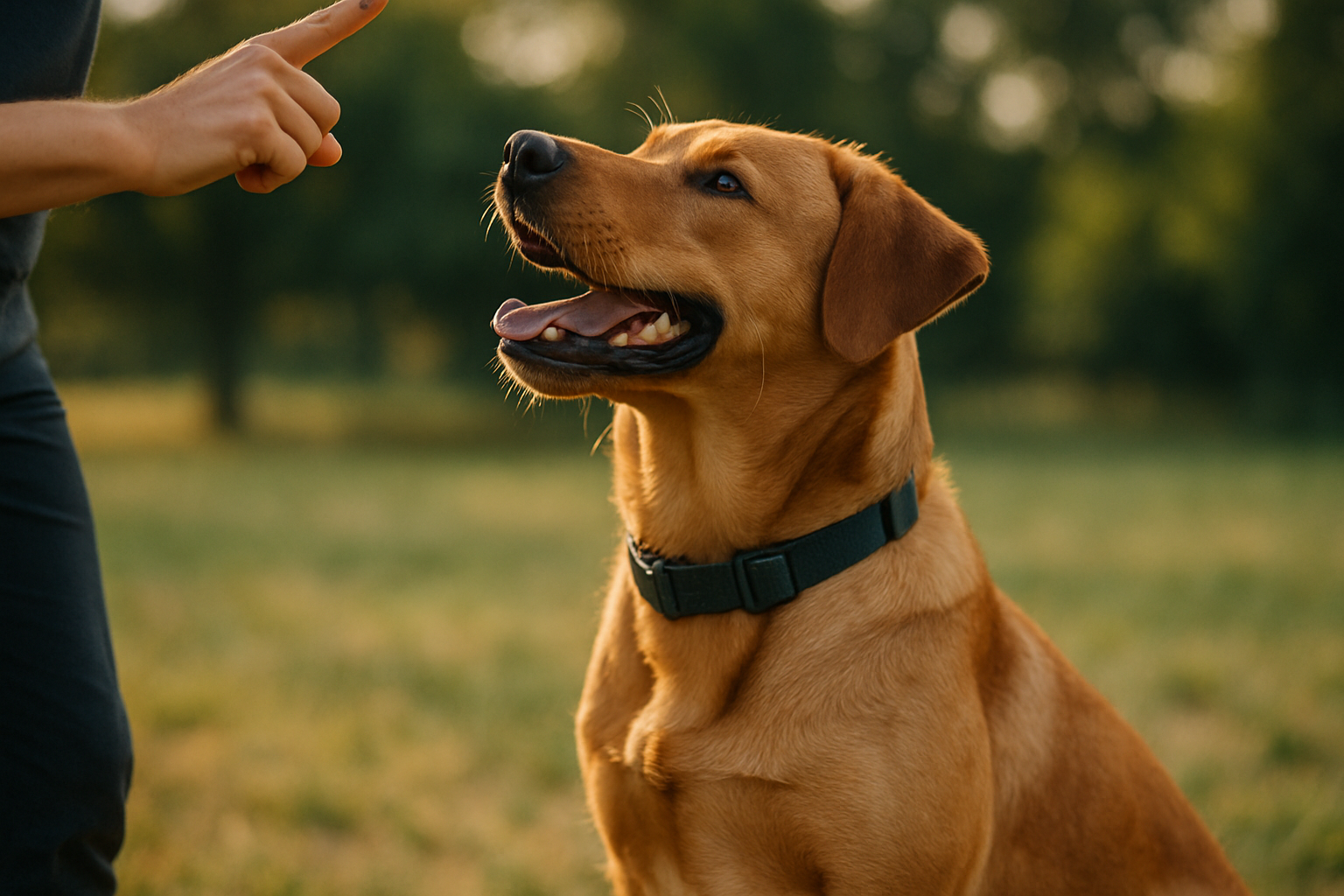
Understanding Why Puppies Growl at People
If your puppy growls when people approach, you're not alone. Many new dog owners panic at the first sign of a growl, assuming their puppy is aggressive or destined to be dangerous. The truth is more nuanced and, fortunately, more manageable.
Puppy growling directed at people is most commonly rooted in fear or anxiety, not dominance or aggression as a personality trait. [1] When a puppy growls, it's communicating discomfort and asking others to maintain distance. Think of it as your puppy saying, "I'm not sure about this person, please stay back." [2] This is actually valuable communication—your puppy is giving a warning before escalating to more serious behaviors like snapping or biting.
Understanding this distinction is critical. A fearful puppy that growls is expressing a normal canine behavior, but one that requires thoughtful intervention. Ignoring it or punishing it often backfires, causing the fear to intensify and the growling to escalate into more dangerous behaviors. [1]
Common Causes of Puppy Growling at People
Several factors can trigger fear-based growling in puppies:
- Lack of Early Socialization: Puppies exposed to few people during their critical socialization window (roughly 3-14 weeks) may develop fear of unfamiliar faces. [3] This doesn't mean your puppy is broken—it means they need a structured plan to build confidence.
- Genetic Predisposition: Some puppies are born with a temperament that leans toward caution. [3] This trait can be managed but requires patience and consistent training.
- Negative Past Experiences: Puppies adopted from shelters or rescues may have experienced punishment, rough handling, or stressful situations that taught them to associate people with fear. [3]
- Specific Triggers: Your puppy might growl only at certain types of people—those wearing hats, sunglasses, or moving in unpredictable ways. [3] Identifying these specific triggers is the first step in addressing them.
- Inability to Escape: Dogs cornered, restrained, or unable to retreat are more likely to display aggressive behaviors like growling. [4] A puppy that feels trapped may growl as a defensive measure.
Why Common Training Mistakes Make It Worse
Well-meaning owners often inadvertently reinforce puppy growling or create additional fear. Here are the biggest mistakes to avoid:
- Forcing Socialization: Simply exposing your puppy to more people without proper management doesn't help. In fact, it often makes the problem worse. [2] Pushing a fearful puppy to interact with strangers or allowing visitors to "force friendship" can increase sensitivity and reactivity.
- Punishing the Growl: Scolding, yelling at, or physically correcting a growling puppy confuses and frightens them further. [1] Your puppy was trying to communicate their discomfort—punishing this only teaches them that expressing fear leads to punishment, making them more likely to skip the warning growl and bite without escalation.
- Boot Camp Programs: Sending a fearful puppy to an intensive board-and-train facility surrounded by strangers and stressed dogs often worsens the problem. [2] These programs may use harsh methods contraindicated for anxious puppies.
- Reinforcing Fear Through Comfort: Petting, soothing, or giving treats to your puppy immediately after they growl can inadvertently reward the fearful behavior. [2] This doesn't mean ignoring your puppy—it means timing your support carefully.
- Assuming Your Puppy Will "Grow Out of It": Without intervention, puppy growling often escalates rather than resolves. [2] Early action prevents the behavior from becoming entrenched.
Identifying Your Puppy's Specific Triggers
Before implementing a training plan, you need to understand exactly what triggers your puppy's growling. This process is called identifying proximal antecedents. [2]
Ask yourself these questions:
- Does your puppy growl at all people or only certain types (e.g., men, children, people in uniforms)?
- Does the growling happen at a specific distance (e.g., when someone gets within 6 feet)?
- What's happening when the growl occurs (e.g., someone reaching toward your puppy, walking past on the street, entering your home)?
- Does your puppy show other fear signals before the growl, such as backing away, tucking their tail, or avoiding eye contact? [3]
- What happens after your puppy growls? Does the person back away? Do you comfort your puppy? [2]
Write down these observations for a week. Patterns will emerge that inform your training strategy.
Step-by-Step Training and Management Plan
Phase 1: Foundation Skills and Safe Management (Weeks 1-2)
Before working on people interaction, your puppy needs to learn basic coping skills and confidence-building behaviors.
Teach Foundation Behaviors:
- Sit: A simple, achievable behavior that gives your puppy something to do when anxious and creates a sense of accomplishment.
- Down: A calming posture that naturally reduces arousal and anxiety.
- Look at Me (Watch Me): Teaching your puppy to orient toward you instead of the scary stimulus is one of the most powerful tools. [2] Practice this in low-stress environments first.
- Nose Targeting: Training your puppy to touch their nose to your hand or a target stick redirects focus and builds confidence. [2]
- Loose-Leash Walking: A puppy that can walk calmly on a loose leash has more control and confidence. [2]
Implement Management Strategies:
- Reduce Exposure: Temporarily limit situations that trigger growling. This isn't permanent—it's a reset period. [2] If your puppy growls at visitors, ask guests not to visit for a few weeks. If they growl on walks, choose quieter routes.
- Create Safe Spaces: Set up a quiet room or crate where your puppy can retreat when feeling overwhelmed. Never force your puppy into this space; make it a comfortable refuge.
- Use Barriers: Baby gates, closed doors, or distance prevent unwanted interactions while your puppy builds confidence.
- Control the Environment: Dim lighting, soft music, and calm household energy reduce overall stress levels.
Phase 2: Counterconditioning (Weeks 3-6)
Counterconditioning changes your puppy's emotional response to people by pairing their presence with positive outcomes. [2]
The Process:
- Identify a Safe Distance: Determine how far away a person needs to be before your puppy shows no signs of fear or growling. This is your starting distance.
- Recruit a Helper: Choose a calm, patient person your puppy doesn't know well. Avoid enthusiastic, fast-moving, or loud individuals.
- Create Positive Associations: Have your helper stand at the safe distance. Before your puppy notices them, start rewarding your puppy with high-value treats (small pieces of chicken, cheese, or special training treats). Continue rewarding while the helper is visible. The goal is for your puppy to think, "When I see a person at that distance, good things happen to me."
- Gradually Decrease Distance: Over multiple sessions (at least 5-10), slowly move the helper closer. Only proceed when your puppy shows no fear signals. This might mean decreasing distance by just 1-2 feet per session.
- Add Movement and Interaction: Once your puppy is comfortable with the helper standing nearby, have them toss treats, make gentle eye contact, or move slowly. Each new element requires patience and small steps.
Critical Point: This process cannot be rushed. [2] Moving too quickly or ignoring fear signals will set your progress back significantly.
Phase 3: Real-World Application (Weeks 7+)
As your puppy becomes more confident, gradually introduce real-world scenarios.
- Controlled Home Visits: Invite one calm visitor to sit quietly. Have high-value treats ready. Reward your puppy for calm behavior. Ask the visitor not to reach toward, pet, or make direct eye contact with your puppy initially. [3]
- Quiet Walks: Walk during off-peak times on routes where you're less likely to encounter people. When you do see someone, use the distance and treats method from Phase 2.
- Introduce Variety Gradually: Once your puppy is comfortable with calm, quiet people, slowly introduce different types: children (supervised), men with deep voices, people wearing hats, etc. Each variation requires a fresh start with distance and positive associations.
- Practice the "Look at Me" Cue: When you see an approaching person, ask your puppy to "look at me" before they react. Reward generously. This gives your puppy an alternative behavior and keeps their focus on you rather than the perceived threat.
When to Seek Professional Help
Some situations require guidance from a qualified veterinary behaviorist or certified professional dog trainer:
- Your puppy has already bitten or snapped at someone.
- The growling is escalating in frequency or intensity despite your efforts.
- Your puppy shows severe fear signals (freezing, urinating, trembling) alongside growling. [2]
- You're unsure whether the behavior is fear-based or another type of aggression.
- Your puppy has a history of trauma or abuse that you don't fully understand.
A professional can rule out underlying medical issues, assess bite risk, and design a customized plan. [4] In some cases, anti-anxiety medication prescribed by your veterinarian can help your puppy benefit more from training. [2]
Managing Specific Scenarios
Puppy Growls at Visitors
- Ask visitors to ignore your puppy initially—no eye contact, talking, or reaching.
- Have visitors toss treats toward your puppy from a distance.
- Keep a leash on your puppy for safety and control.
- Reward your puppy for calm behavior (sitting, lying down, or simply not growling).
- Gradually allow visitors to toss treats from closer distances as comfort builds.
Puppy Growls on Walks
- Choose quiet times and routes initially.
- Carry high-value treats.
- When you spot someone approaching, increase distance if possible or cross the street.
- Start rewarding your puppy before they react to the person.
- Use the "look at me" cue to redirect focus.
- Gradually practice with people at various distances.
Puppy Growls During Handling (Vet Visits, Grooming)
- Practice handling at home: gently touching paws, ears, and mouth in calm moments, followed by treats.
- Inform your veterinarian about the growling so they can adjust their approach.
- Request shorter appointments to minimize stress.
- Consider asking about anti-anxiety medication before appointments.
- Use a muzzle if recommended by your vet—it's a safety tool, not a punishment.
Important Mindset Shifts for Success
Your Puppy Isn't Bad: Growling is a communication tool, not a character flaw. Your puppy is trying to tell you they're uncomfortable. [1] This is actually preferable to a puppy that bites without warning.
Patience Pays Off: Behavior change takes weeks to months, not days. Celebrate small wins like your puppy looking at you instead of the scary person or maintaining a calm sit when someone approaches.
Consistency Matters: Everyone in your household must follow the same plan. Mixed messages confuse your puppy and slow progress.
Avoid Punishment: Yelling, hitting, or harsh corrections don't work for fear-based behaviors and often make them worse. [1] Focus on building confidence through positive associations instead.
Key Takeaways
- Puppy growling at people is usually rooted in fear, not aggression or dominance.
- Identify your puppy's specific triggers and the distance at which they feel safe.
- Avoid common mistakes like forcing socialization, punishing the growl, or sending your puppy to boot camp.
- Build foundation skills (sit, down, look at me) before working on people interaction.
- Use counterconditioning to change your puppy's emotional response to people through positive associations.
- Gradually introduce real-world scenarios as your puppy gains confidence.
- Seek professional help if the behavior is escalating, if biting has occurred, or if you're unsure about the underlying cause.
- Remember that your puppy is communicating discomfort—your job is to help them feel safe and confident around people.
Final Thoughts
Puppy growling at people is a challenge, but it's one you can address with patience, consistency, and the right approach. By understanding the root cause, avoiding common mistakes, and implementing a structured training plan, you can help your puppy develop confidence and positive associations with people. The effort you invest now prevents more serious behavioral problems down the road and sets your puppy up for a happy, well-adjusted life.
If you're ever unsure about your puppy's behavior or safety, consult with your veterinarian or a certified professional trainer. They can provide personalized guidance and ensure your training plan is appropriate for your puppy's specific situation.
Sources & References
- https://vcahospitals.com/know-your-pet/fear-vs-aggression
- https://www.cliniciansbrief.com/article/fear-aggression
- https://sites.tufts.edu/collaborativeforshelterdogs/dog-behavior/problems-and-management/fear-of-people/
- https://vcahospitals.com/know-your-pet/dog-behavior-problems-aggression-diagnosis-and-overview