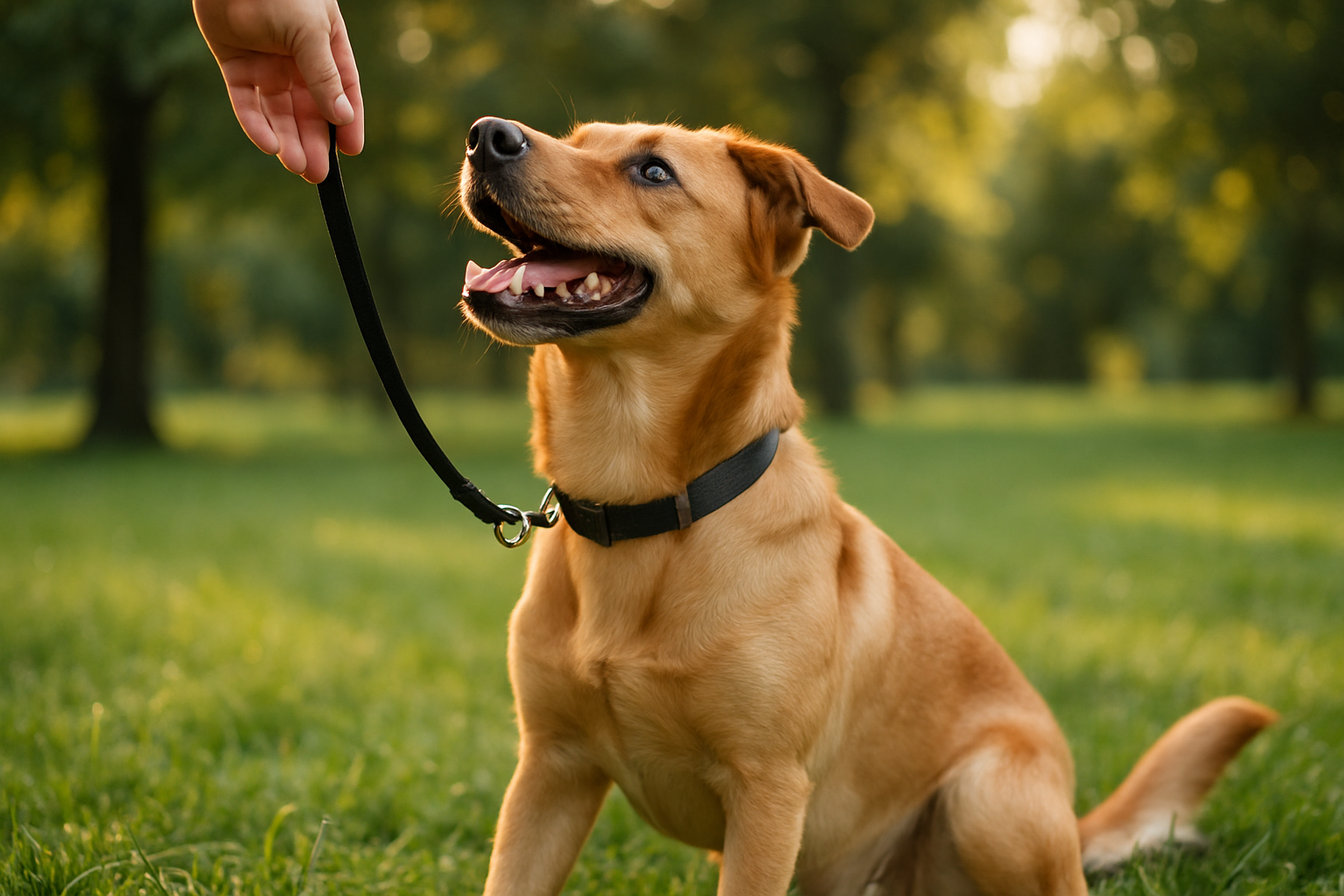
How to Stop Puppy Trash Raiding: Training and Prevention Plan
You leave the kitchen for five minutes, and when you return, your puppy has scattered garbage across the floor like confetti at a celebration. Paper towels are shredded, food scraps are strewn about, and your puppy looks absolutely delighted with their discovery. Sound familiar?
Trash raiding is one of the most frustrating behaviors new puppy owners face. Beyond the mess, it poses genuine health risks—your puppy could consume something toxic, swallow harmful objects, or develop dangerous eating habits. The good news? This behavior is entirely preventable and trainable with the right approach.
This guide combines proven training techniques with practical prevention strategies to help you transform your trash-loving pup into a well-mannered household member.
Why Puppies Raid Trash (And It's Not Out of Spite)
Understanding the motivation behind trash raiding helps you address the root cause rather than just the symptom. Puppies explore their world through their noses and mouths, and your garbage can is essentially a treasure chest of interesting smells and textures.
Several factors drive this behavior:
- Hunger and nutritional gaps: Puppies have fast metabolisms and may genuinely feel hungry between meals. If your puppy seems obsessed with trash, consult your veterinarian to rule out health issues or nutritional deficiencies and discuss appropriate feeding schedules. [3]
- Boredom and under-stimulation: A puppy with insufficient mental and physical exercise will seek entertainment wherever they can find it—including your trash can. Puppies require daily play, training sessions, and enrichment activities to stay mentally engaged. [3]
- Curiosity and exploration: Young dogs are naturally curious. Your garbage smells interesting, contains varied textures, and produces satisfying results (stuff falls out, things scatter). It's genuinely fun from your puppy's perspective.
- Learned behavior: If your puppy has successfully accessed trash before and found rewarding items, they've learned this is a worthwhile activity to repeat.
The Prevention-First Approach: Your Best Defense
Here's the truth that changes everything: prevention is dramatically more effective than any amount of training after the fact. [1] This isn't about being lazy—it's about setting your puppy up for success by removing the opportunity to practice the behavior you want to eliminate.
Think of it this way: every time your puppy successfully raids the trash, they're reinforcing the behavior and becoming better at it. Preventing access stops this learning cycle before it starts.
Physical Barriers and Environmental Management
Secure Your Garbage Can
Start with the most straightforward solution: make the trash inaccessible. [3] Options include:
- Placing the trash can in a locked cabinet or closet
- Storing it behind a baby gate your puppy cannot navigate
- Using a heavy-duty, locking trash can designed to resist determined dogs
- Keeping the can in a room you can close off when you're not supervising
The locked cabinet approach is particularly effective because it creates a dramatic change in difficulty—your puppy quickly learns the trash is simply unavailable rather than gradually becoming more skilled at accessing it. [2]
Protect Other Food Sources
Trash isn't the only temptation. Secure food items throughout your home by:
- Storing all food in dog-proof containers like sealed Tupperware or bread bins [3]
- Installing child-proof latches on any cabinets your puppy can open [3]
- Clearing counters immediately after meals
- Using baby gates to restrict kitchen access when you're cooking or eating
Address Underlying Needs
Optimize Exercise and Enrichment
A well-exercised puppy with appropriate mental stimulation is far less likely to seek entertainment in forbidden places. [3] Establish a daily routine that includes:
- Age-appropriate physical exercise (multiple short sessions for young puppies)
- Training sessions that challenge your puppy mentally
- Puzzle toys and interactive feeders that engage problem-solving skills
- Appropriate chew toys that satisfy natural chewing urges
Evaluate Your Feeding Schedule
If your puppy seems constantly hungry, discuss feeding frequency and portion sizes with your veterinarian. [3] Smaller, more frequent meals throughout the day may reduce the desperation that drives trash raiding.
Training Your Puppy to Respect Boundaries
Once you've eliminated unsupervised access to trash, you can train your puppy to maintain distance from it even when it's present. This teaches impulse control and respect for household rules.
Immediate Correction Timing is Critical
The most important rule: only correct your puppy if you catch them in the act. [1] Punishing after the fact teaches nothing except fear. Your puppy won't understand they're being corrected for trash raiding—they'll only know something bad happened, which damages your relationship and creates confusion.
When you catch your puppy actively investigating the trash:
- Interrupt immediately with a firm "Off!" or sharp clap [3]
- Physically remove your puppy from the area
- Close the door or use a baby gate to prevent return access
- Do not engage in lengthy lectures or punishment
Building Distance and Respect
A powerful training approach involves teaching your puppy to maintain distance from the trash can as a matter of respect for your authority and rules. [4] Rather than waiting for your puppy to approach and then correcting, you establish a boundary zone.
How to implement this:
- Place your trash can in an accessible area during training sessions
- When your puppy approaches the trash, use escalating signals to indicate they're getting too close: first a look or gesture, then a verbal cue, then physical guidance if needed [4]
- Reward your puppy generously when they maintain appropriate distance or move away on your signal
- Practice this consistently until your puppy instinctively keeps space between themselves and the trash
- Gradually increase difficulty by moving the trash to new locations or leaving it accessible for longer periods
The key is consistency—everyone in your household must enforce the same boundary using the same signals. [4]
Avoid the Accidental Training Trap
Here's where many owners unintentionally make things worse: by gradually increasing the difficulty of accessing trash (slightly better lid, then bungee cord, then higher placement), they actually teach their puppy to become increasingly skilled at trash raiding. [2]
Instead, make a dramatic change. Don't progress from "lid on can" to "lid with weight" to "can in corner." Jump straight to "can in locked cabinet." This sudden removal of opportunity causes your puppy to abandon the behavior rather than persist in trying to overcome obstacles.
Environmental Deterrents for Unsupervised Time
For puppies who only raid trash when you're absent, environmental punishers can be effective. These work by creating an unpleasant consequence that's triggered by your puppy's behavior, not by you. [3]
Options include:
- Cookie sheet method: Place cookie sheets on the edge of your counter so jumping causes them to clatter loudly to the floor, startling your puppy without causing harm [3]
- Motion-triggered sprays: Devices like Ssscat release a harmless burst of spray when motion is detected, creating an unpleasant surprise [3]
Important safety considerations:
Environmental punishers aren't suitable for every puppy. If your puppy is naturally nervous or skittish, these methods may increase anxiety rather than solve the problem. [3] Additionally, ensure any method you choose is safe, reliable, and cannot harm your puppy. The goal is to startle, not injure.
These methods work best when combined with prevention—don't rely on them as your only strategy.
Leadership and Household Rules
Puppies who see their owners as authority figures are more likely to respect household rules, including staying out of trash. [4] Establish leadership through:
- Consistent rule enforcement: Every family member enforces the same boundaries in the same way
- Purposeful attention: Pet and reward your puppy for desired behaviors, not simply whenever they invade your space [4]
- Structured routines: Predictable feeding, exercise, and training schedules help your puppy understand their place in the household hierarchy
- Calm confidence: Deliver corrections matter-of-factly without anger or drama
Creating Your Personalized Training Plan
Week 1-2: Prevention and Assessment
- Secure your trash can completely (locked cabinet or behind closed door)
- Remove all other food temptations from accessible areas
- Schedule a veterinary check-up to rule out hunger-driven behavior
- Establish an exercise and enrichment routine
- Observe your puppy's behavior without any trash-related incidents
Week 3-4: Foundation Training
- Begin distance training with the trash can in a supervised area
- Practice boundary-building exercises daily
- Reward your puppy heavily for maintaining distance
- Continue strict prevention when unsupervised
Week 5+: Gradual Exposure
- Slowly increase your puppy's exposure to accessible trash during supervised sessions
- Maintain consistent corrections and rewards
- Only gradually reduce prevention measures as your puppy demonstrates reliable behavior
- Continue monitoring and refreshing training as needed
When to Seek Professional Help
If your puppy's trash raiding seems driven by obsessive behavior, extreme food motivation, or anxiety, consult with a certified professional trainer or veterinary behaviorist. Sudden changes in trash-raiding intensity may also warrant a veterinary visit to rule out medical issues.
Key Takeaways
Stopping puppy trash raiding requires a two-pronged approach: eliminate the opportunity through prevention, and teach respect for boundaries through consistent training. [1] Remember that every successful trash raid reinforces the behavior, so prevention isn't just easier—it's essential.
Your puppy isn't being defiant or spiteful. They're following natural instincts and responding to rewarding consequences. By managing their environment, addressing underlying needs, and providing consistent guidance, you'll transform your trash-loving pup into a well-mannered household member who respects your rules and your garbage can.
Stay patient, remain consistent, and celebrate small wins along the way. Most puppies can overcome this behavior with dedication and the right approach.