Why Puppies Chew Electrical Cords (And Why It's Dangerous)
If you've caught your puppy gnawing on an electrical cord, you're not alone—and you're right to be concerned. Chewing is a completely natural behavior for puppies, especially during the teething phase between 3 and 7 months old. However, electrical cords present a unique and serious hazard that goes far beyond typical destructive chewing.
Puppies are drawn to power cords for several reasons. The firm yet slightly flexible texture mimics what they're looking for when their gums are sore during teething. The cables also sit conveniently at floor level, making them easy targets. Some cords even emit faint warmth or vibrations that catch a puppy's attention. [1]
But here's what makes cord chewing genuinely dangerous: electrocution. When a puppy bites through the insulation and makes contact with live wires, they can suffer severe burns inside their mouth, respiratory distress from muscle spasms, irregular heartbeat, and in the worst cases, cardiac arrest. [5] Even if your puppy seems fine immediately after chewing a live cord, internal injuries can develop hours later, which is why emergency veterinary care is always necessary after any electrical incident.
Understanding Why Your Puppy Chews Cords
Before you can effectively stop the behavior, it helps to understand what's driving it. Different puppies chew for different reasons, and identifying the root cause makes your prevention strategy much more effective. [1]
- Teething discomfort: Puppies between 3-7 months experience sore, itchy gums. Chewing provides counter-pressure that relieves this discomfort.
- Boredom and loneliness: Puppies left alone without mental stimulation often turn to destructive chewing as a way to occupy themselves. [2]
- Stress and anxiety: Some puppies chew excessively when they're anxious, nervous, or experiencing separation anxiety.
- Lack of exercise: Puppies with pent-up physical energy often release it through chewing. [2]
- Curiosity: Puppies explore their world with their mouths, and dangling cables are irresistibly interesting.
- Insufficient training: Puppies that haven't been taught appropriate chewing boundaries tend to chew more intensely than well-trained counterparts. [2]
Take a moment to think about when your puppy chews cords most. Is it when you leave the room? After playtime? During late afternoon? This timing gives you clues about the underlying cause.
Physical Solutions: Cover, Conceal, and Restrict Access
The most effective first step is making cords physically unavailable. You can't redirect behavior toward something your puppy can't reach. This approach, called "errorless learning," sets your puppy up for success by removing temptation rather than relying on constant correction. [1]
Cable Covering Options
Several products can protect cords from curious teeth:
- Cord concealers and cable covers: Flexible plastic tubes designed specifically to shield wiring. These slip over existing cords and come in various sizes. They're affordable and maintain cord functionality while making cables less appealing to chew.
- PVC piping: A budget-friendly DIY option. Split PVC pipe can be fitted over cords and secured with tape. It's durable and creates a texture less attractive to puppies than bare cable insulation. [1]
- Cable management boxes: Attractive storage solutions that hide cords entirely. Perfect for chargers, adapters, and cables behind entertainment centers or desks. [2]
- Cord clips and wall-mounted solutions: Secure cables to walls or furniture, keeping them elevated and away from floor level where puppies naturally explore. [2]
Strategic Cord Placement
Beyond covers, rethink how cords are positioned in your home:
- Run cords along the baseboards rather than across open floor space
- Hide cables behind furniture whenever possible
- Route cords around doorways and out of your puppy's main play areas
- Tuck excess cable length into boxes or behind appliances
Restrict Access to Problem Areas
If certain rooms have multiple cords you can't hide—like the entertainment center or home office—physically restrict your puppy's access. [1]
- Use baby gates or pet gates to block doorways
- Keep doors closed to rooms with heavy cord concentrations
- Use a puppy playpen to create a safe, cord-free zone during unsupervised time
- Crate your puppy when you can't actively supervise
This doesn't mean isolation—it means creating boundaries that keep your puppy safe while you're building better habits.
Redirect: Teach Your Puppy What to Chew Instead
Preventing access is essential, but it's only half the solution. Your puppy still needs to chew—it's biologically necessary. Your job is channeling that instinct toward appropriate outlets. [1]
Offer the Right Chew Toys
Provide a variety of textures and types to discover what your puppy prefers:
- Rubber toys: Durable, long-lasting, and satisfying to chew. Options like Kong toys can be frozen or stuffed with treats for extra engagement.
- Natural chews: Bully sticks, yak chews, or dental chews provide the firm texture puppies crave during teething.
- Puzzle toys: Interactive toys that dispense treats as your puppy works to solve them. These provide mental stimulation alongside the physical satisfaction of chewing. [1]
- Rope toys: Great for puppies who like texture variation, though supervise to prevent ingestion of fibers.
Rotate Toys to Maintain Interest
A puppy's interest in toys fades quickly once they become familiar. Rotate your puppy's toys regularly—keeping some hidden and bringing them out every few days creates novelty and maintains engagement. [1] This simple strategy prevents boredom-driven cord chewing.
Active Redirection in the Moment
When you catch your puppy heading toward a cord or already chewing one, redirect immediately and enthusiastically:
- Gently interrupt with a calm voice (avoid scolding, which can increase stress)
- Offer an appropriate chew toy immediately
- Praise and reward when your puppy engages with the toy instead
- Make the appropriate toy more exciting than the cord
This positive approach creates a learning experience without fear or punishment. Your puppy learns that good things happen when they choose the right toy. [1]
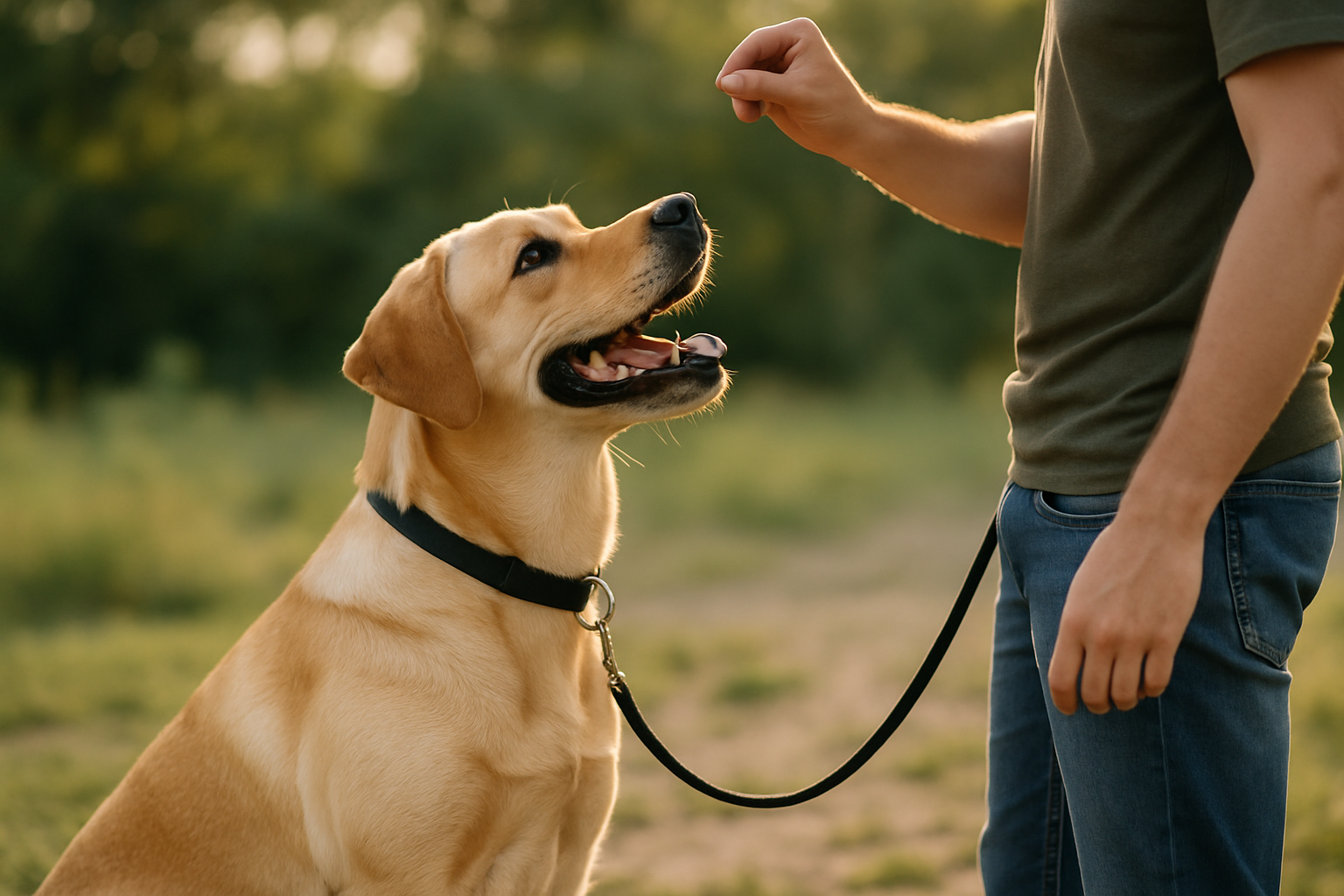
Training: The "Leave It" Command
Teaching a reliable "leave it" command is one of the most valuable safety tools you can give your puppy. It works for cords, but also for dropped food, toxic plants, and other household hazards. [1]
Step-by-Step Training Process
Start in a distraction-free environment: Choose a quiet room with minimal background noise. Your puppy should focus entirely on you.
Begin with low-value items: Start with something your puppy finds mildly interesting but not irresistible—their regular kibble or a common toy. [1]
Hold the item in your closed fist: Let your puppy sniff and investigate, but don't let them have it.
Say "leave it" clearly: When your puppy pulls away or stops trying, immediately say "yes" and reward with a high-value treat from your other hand.
Repeat consistently: Practice 5-10 minute sessions, 2-3 times daily. Consistency matters more than duration. [1]
Gradually increase difficulty: Once your puppy reliably leaves low-value items, progress to more tempting objects. Eventually, you can practice with a cord (unplugged) to build real-world reliability.
Always reward success: Positive reinforcement is crucial. Every successful "leave it" earns enthusiastic praise and a treat.
Additional Deterrent Strategies
While physical prevention and training are your primary tools, temporary deterrents can support the process, especially during the early stages.
Bitter Sprays and Taste Deterrents
Bitter apple spray and similar products create a negative taste association. However, be aware of their limitations: most puppies eventually develop tolerance and resume chewing after a few weeks. [1] These work best as a temporary support while you implement other strategies, not as a standalone solution.
Always choose pet-safe products. Avoid any pesticides or insecticides, as these contain toxic ingredients. [2]
Keep in mind that taste preferences vary among puppies. What repels one pup might not bother another, so test any product on a small area first.
Making Cords Less Appealing
Some puppies are attracted to the faint smell or taste of cable insulation. Covering cords with unappealing materials (like the PVC piping mentioned earlier) naturally reduces this attraction without relying on sprays. [5]
Your Complete Prevention Plan
Stopping cord chewing requires a multi-layered approach. Here's how to implement a complete prevention strategy:
Week 1: Immediate Safety
- Audit your home for accessible cords. Walk through each room from your puppy's perspective (literally get down to their level).
- Identify which cords are most dangerous (those carrying power) versus less critical (phone chargers, etc.).
- Immediately cover or restrict access to the most hazardous cords using the methods described above.
- Move power strips and surge protectors out of reach.
Week 2-3: Enrichment and Exercise
- Assess your puppy's current exercise routine. Most puppies need multiple play sessions daily—aim for at least 30 minutes of active play, split into shorter sessions.
- Introduce a variety of chew toys and observe which textures and types your puppy prefers.
- Begin implementing toy rotation to maintain novelty.
- Start "leave it" training in short, positive sessions.
Week 4+: Consistent Training and Management
- Continue daily exercise and mental stimulation.
- Progress "leave it" training to more challenging scenarios.
- Maintain close supervision during high-risk times (when your puppy is most likely to chew).
- Expand cord coverage and access restrictions throughout your home as needed.
- Celebrate progress and remain patient—behavior change takes time.
Meeting Your Puppy's Underlying Needs
The most sustainable solution addresses why your puppy wants to chew in the first place. [1]
For Teething Puppies
Provide appropriate relief:
- Offer chilled (not frozen) rubber toys to soothe sore gums
- Use soft, natural chews that are easier on developing teeth
- Ensure adequate pain relief is available (consult your vet about age-appropriate options)
For Bored or Under-Stimulated Puppies
- Increase daily exercise with walks, play sessions, and outdoor exploration
- Introduce puzzle toys and interactive games that engage their mind
- Practice training sessions that tire their brain as well as their body
- Vary your puppy's environment and experiences to maintain novelty
For Anxious or Stressed Puppies
- Create a safe, predictable routine
- Gradually build independence to prevent separation anxiety
- Provide comfort items like blankets or toys with familiar scents
- Consider consulting a certified trainer or veterinary behaviorist if anxiety is severe
What to Do If Your Puppy Chews a Live Cord
Prevention is the goal, but knowing how to respond to an emergency is critical. [5]
- Do not touch your puppy or the cord until you're certain the power is off.
- Turn off the socket at the wall or flip the circuit breaker immediately.
- Once power is off, keep your puppy calm and still. Avoid examining burns yourself.
- Cover visible burns loosely with a clean cloth.
- Transport to an emergency vet immediately. Do not delay, even if your puppy seems fine.
Internal electrical injuries can develop hours after the initial incident. Signs to watch for include difficulty breathing, irregular heartbeat, drooling, or reluctance to eat. [5] Professional evaluation is non-negotiable.
When to Seek Professional Help
If your puppy's chewing behavior is intense, persistent, or accompanied by other concerning behaviors, professional guidance can help. Certified dog trainers who specialize in chewing behaviors can assess your specific situation and create a customized plan. [1] Similarly, if you suspect anxiety or other underlying medical conditions are driving the behavior, consult your veterinarian.
Final Thoughts: Consistency Wins
Stopping puppy cord chewing isn't about finding one magic solution—it's about combining physical prevention, appropriate alternatives, training, and meeting your puppy's underlying needs. Most puppies grow out of this phase naturally, but your job is keeping them safe while they do.
The effort you invest now—covering cords, providing better toys, teaching commands, and staying consistent—pays dividends in a safer home and a puppy with healthy chewing habits. Stay patient, celebrate small wins, and remember that every puppy is different. What works for one may need tweaking for another, and that's completely normal.
Your vigilance today prevents emergencies tomorrow. That's the Ask Bailey difference.