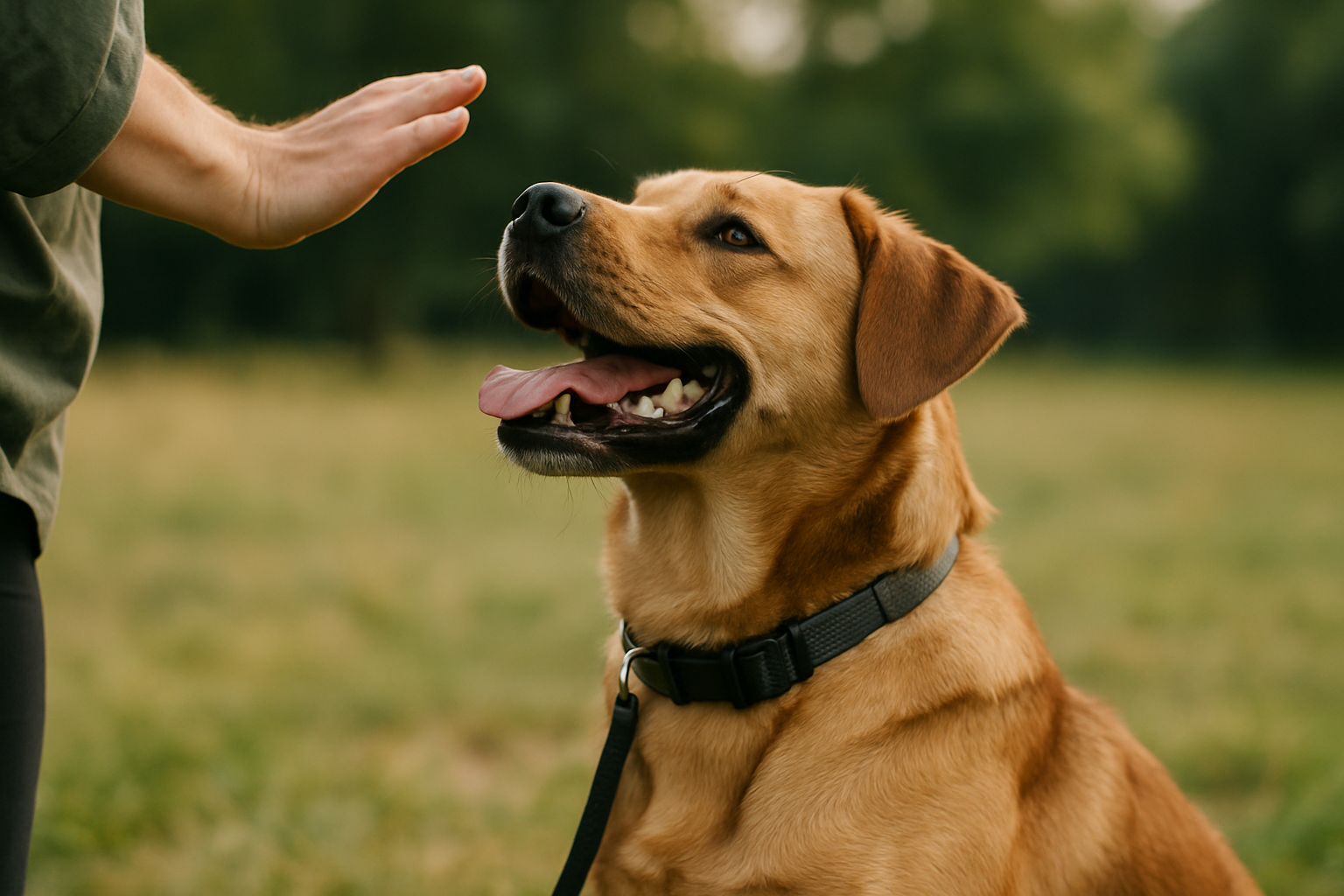
Understanding Puppy Fear Periods: What Every Owner Should Know
You've brought home your new puppy, spent weeks socialising them, and everything seems perfect. Then one day, that brave little explorer who happily met new people and investigated everything suddenly freezes at the sight of a plastic bag or refuses to approach their favourite toy. Welcome to your puppy's fear period—a completely normal, if surprising, part of growing up.
Fear periods are temporary developmental phases when puppies become unusually sensitive to their environment. Even well-socialised puppies experience them, and no amount of early exposure can prevent them from happening. The good news? Understanding what's happening and knowing how to respond makes all the difference in helping your puppy work through these phases and emerge more confident. [2]
How Many Fear Periods Will Your Puppy Experience?
Most puppies go through two distinct fear periods during their first 18 months of life. Each serves a developmental purpose, and recognising them helps you respond with patience rather than frustration.
The First Fear Period: 8–11 Weeks
The initial fear period typically arrives right when your puppy is settling into their new home and beginning to explore the world more independently. [2] This timing can feel particularly challenging because your puppy is already navigating major life changes—new people, new environment, separation from littermates—while simultaneously becoming more cautious about stimuli.
During this window, puppies become more aware and sensitive to their surroundings. Things they previously explored with curiosity might suddenly seem threatening. A puppy might have happily walked past the washing machine one day, then refuse to enter the laundry room the next.
The Second Fear Period: 6–14 Months (Adolescence)
The second fear period often surprises owners more than the first. By 6 months, your puppy looks increasingly like an adult dog—sometimes nearly full-sized—making it easy to forget they're still emotionally developing. [2] This adolescent phase can feel like regression, where your previously confident puppy suddenly becomes wary or anxious about familiar situations. [5]
The timing varies by breed: smaller breeds typically enter this phase earlier (around 6–9 months), while larger and giant breeds may not show signs until 10–14 months or later. [5] Some puppies experience a subtle shift in caution, while others show dramatic changes in behaviour.
Why Do Puppies Experience Fear Periods?
Fear periods aren't random or caused by poor socialisation. They're hardwired developmental stages rooted in biology and evolution. Understanding the 'why' helps you respond with empathy rather than confusion.
Brain Development and Neural Reorganisation
During adolescence, your puppy's brain undergoes significant remodelling. The frontal cortex (responsible for rational thinking and decision-making) temporarily loses some of its connectivity with the amygdala (the brain's emotion and fear centre). [5] At the same time, hormonal surges—particularly increases in stress hormones like cortisol and adrenaline—heighten your puppy's sensitivity to stimuli. [5]
This neurological shift isn't a malfunction; it's part of normal maturation. However, it does mean your puppy's nervous system is temporarily in a heightened state of alert, making them more reactive to novelty and potential threats.
Evolutionary Purpose: Preparing for Independence
Fear periods serve an evolutionary function. In the wild, these developmental windows teach young dogs to reassess their environment and learn what's truly dangerous—preparing them for independence as they mature. [5] The brain essentially 'resets' its threat assessment, forcing the puppy to relearn what is safe.
This survival mechanism made perfect sense for wild canines but can feel confusing in modern pets who remain safely at home. Your puppy's body is becoming larger and more powerful, their hormones are shifting, and their brain is preparing for independence—even though they still live with you. [5]
Recognising Fear Period Signs in Your Puppy
Fear periods present differently in different puppies, but several common signs indicate your puppy is entering a sensitive developmental phase.
Behavioural Changes to Watch For
- Increased startle response: Your puppy jumps or reacts intensely to sounds, movements, or objects that previously didn't bother them. A familiar noise like the doorbell might trigger excessive barking or hiding. [5]
- Avoidance and hiding: Your puppy backs away, retreats, or freezes when encountering triggers. They might refuse to walk past something they've seen dozens of times before, like a parked bicycle or rubbish bin. [5]
- Clinginess and uncertainty: Your puppy becomes more dependent on you, seeking safety by staying close. They may hesitate to explore or play independently and show stress signals like whining, lip-licking, trembling, or a hunched posture. [5]
- Regression in training: Previously reliable behaviours suddenly disappear. A puppy who consistently came when called might ignore you, or one who was housetrained might have accidents. This isn't defiance—it's anxiety masquerading as disobedience. [Source 2, Source 5]
- Loss of interest in favourite activities: Toys, games, or places your puppy loved suddenly seem frightening or uninteresting. They might avoid their bed, refuse to play fetch, or become hesitant about going outside. [2]
Understanding the Variability
Fear period intensity varies dramatically between individual puppies. Genetic temperament plays a significant role—breeds selected for wariness or alertness (like herding or guardian breeds) often show more pronounced fear responses. [5] Some puppies experience a subtle increase in caution, while others display obvious anxiety or reactivity. Neither response indicates a problem; they're simply different expressions of the same developmental process.
What Fear Periods Are NOT
Fear periods are frequently misunderstood as behavioural problems or signs of poor training. It's crucial to distinguish between normal developmental fear and other issues.
Fear periods are not:
- Defiance or wilful disobedience [2]
- A sign that your socialisation efforts failed [2]
- Permanent behavioural issues [2]
- Something that can be prevented through training [5]
- A reason to use force, punishment, or flooding techniques [3]
Recognising these distinctions prevents owners from responding harshly to normal development, which could actually create lasting fear and anxiety. [3]
A Practical Training Plan for Building Confidence
The key to helping your puppy through fear periods is creating safe opportunities for them to build confidence at their own pace. The following approach prioritises your puppy's emotional safety while gently encouraging engagement.
Step 1: Allow Retreat Without Judgment
The first and most important step is allowing your puppy to move away from whatever frightens them. [2] Don't block their exit or prevent them from retreating. Forcing a puppy to stay near something scary almost always backfires, creating a bigger and potentially lasting fear. [2]
What this looks like: If your puppy is frightened of the vacuum cleaner, let them leave the room. Don't follow them, don't try to hold them near it, and don't make a fuss about their fear.
Step 2: Reward Looking and Checking In
Once your puppy has the freedom to retreat, begin rewarding small acts of bravery. Praise and reward your puppy for simply looking at the scary object or looking to you for reassurance. [2] These tiny moments of curiosity or connection are the building blocks of confidence.
What this looks like: Your puppy glances at the vacuum cleaner from across the room. Immediately mark this with 'yes!' and offer a high-value treat. Your puppy looks at you with uncertainty. Reward this too. You're teaching them that investigating scary things—even from a distance—leads to good things.
Step 3: Let Your Puppy Control the Pace
Allow your puppy to decide how close they get to the frightening object. Don't pressure, lure, or push them closer. Instead, reward any positive curiosity, including stepping towards it, sniffing, or investigating. [2] This autonomy is crucial—it teaches your puppy that they have control and can make safe choices.
What this looks like: Your puppy takes one step closer to the vacuum. Reward. They take another step. Reward. They sniff the cord. Reward. You never ask them to touch it or get closer; they decide the pace entirely.
Step 4: Keep Sessions Short and Positive
Brief, positive training sessions work far better than extended exposure. [2] If your puppy hasn't overcome the fear completely, that's fine—end on a positive note with treats and praise anyway. The goal isn't to force comfort; it's to create positive associations and build confidence gradually.
What this looks like: Work with the scary object for 2–3 minutes, even if your puppy is still cautious. End with several treats and enthusiastic praise. You're building momentum, not forcing resolution.
Step 5: Normalise Without Making a Big Deal
Try not to make a fuss about the thing your puppy fears. Don't coddle them, but also don't dismiss their feelings. Incorporate the scary object into future training sessions matter-of-factly, rewarding your puppy for looking at you or engaging with it. [2] Over time, repeated positive exposure builds confidence.
What this looks like: Occasionally turn the vacuum on in the distance while your puppy is playing or eating. Don't draw attention to it. If your puppy notices and stays calm, reward them casually. You're teaching them that scary things are just part of normal life.
Additional Confidence-Building Strategies
Maintain Routine and Predictability
During fear periods, a consistent daily routine provides emotional security. Regular feeding times, play sessions, training, and rest help your puppy feel safe and in control. Predictability reduces overall anxiety and makes your puppy more resilient to scary situations.
Controlled Socialisation, Not Forced Interaction
Continue exposing your puppy to new people, dogs, and environments, but always at a pace they can handle. Allow them to approach strangers or new dogs when they're ready, rather than forcing interaction. [2] A puppy who chooses to investigate gains confidence; a puppy forced to interact may develop lasting wariness.
Avoid Punishment and Flooding
Never punish fear-based behaviour or use flooding techniques (forcing prolonged exposure to scary stimuli). [3] These approaches damage trust and can create more serious anxiety issues. Your puppy isn't being naughty; they're experiencing genuine emotional distress.
Build Confidence Through Success
Engage in activities where your puppy can succeed easily. This might include simple training games, age-appropriate play, or exploring safe environments. Success builds confidence, which translates to resilience during fearful moments.
When to Seek Professional Help
Most puppies work through fear periods with patient, consistent handling. However, certain situations warrant professional guidance from a qualified veterinary behaviourist or certified trainer:
- Your puppy's fear is severe, persistent, or worsening over weeks
- Your puppy shows signs of aggression alongside fear
- You suspect pain or physical discomfort is contributing to fearfulness
- Your puppy isn't improving with consistent, positive training
- Sudden behavioural changes coincide with illness or injury
A professional can rule out underlying medical issues and develop a tailored plan if your puppy needs additional support. [3]
Key Takeaways: Supporting Your Puppy Through Fear Periods
- Fear periods are normal developmental phases, not behavioural problems or training failures
- Most puppies experience two fear periods: around 8–11 weeks and 6–14 months (timing varies by breed)
- During these phases, puppies' brains and hormones temporarily heighten their sensitivity to novelty and potential threats
- Never force your puppy to interact with scary things; allow retreat and reward small acts of courage
- Keep training sessions short, positive, and puppy-led
- Maintain routine and consistency to provide emotional security
- Avoid punishment, flooding, or harsh corrections—these backfire and create lasting fear
- Be patient; fear periods are temporary, and your confident puppy will return
Your puppy's fear period is a phase, not a permanent personality trait. With understanding, patience, and the right approach, you'll help them develop the confidence and resilience they need to thrive.