Understanding Puppy Fear Aggression: What You're Actually Seeing
When your puppy growls, snaps, or lunges, it's easy to panic. You might worry you have a "bad dog" on your hands. But here's the truth: your puppy isn't trying to be aggressive—he's trying to protect himself. Fear aggression in puppies is a defensive response rooted in anxiety, not malice. [2]
Fear aggression happens when a puppy perceives a real or imagined threat and wants to increase the distance between himself and that trigger. Triggers can be people, other dogs, objects, or situations. Your puppy is essentially saying, "Please stay away from me," and when that message gets ignored, he escalates his behavior. [2]
Understanding this distinction is crucial because it changes how you respond. Punishment-based approaches often make fear aggression worse, not better. Instead, your puppy needs safety, patience, and a structured plan to rebuild his confidence.
Recognizing Fear Aggression: The Warning Signs
Fear aggression doesn't always look the same in every puppy. Some puppies show subtle signs; others are more obvious. Learning to recognize these signals early gives you the best chance of preventing escalation.
Early warning signs include:
- Ears pinned back or turned to the side [2]
- Whale eye (visible whites of the eyes) [2]
- Tucked tail or body held low
- Whining, whimpering, or soft growling [2]
- Backing away or trying to create distance
- Freezing in place
- Lip licking or yawning (stress signals)
If your puppy's warning signals are ignored, he may escalate to:
- Louder barking or growling [2]
- Lunging or jumping forward [2]
- Snapping or biting [2]
- Jumping up with intensity
- Offensive posturing (moving toward the trigger rather than away)
The critical insight here is that early signs are your puppy's polite way of asking for space. When we ignore these polite requests, puppies learn that subtle communication doesn't work, so they escalate. [2]
Why Puppies Develop Fear Aggression
Fear aggression rarely appears out of nowhere. Understanding the root causes helps you address the actual problem rather than just treating symptoms.
Common causes include:
- Inadequate socialization: Puppies need positive exposure to different people, environments, sounds, and experiences during their critical developmental window (3-14 weeks). Without this, unfamiliar situations trigger fear. [2]
- Early traumatic experiences: Being hit, grabbed roughly, or exposed to sudden loud noises can create lasting fear associations. [2]
- Punishment-based training: Leash corrections, choke collars, or harsh scolding can actually increase fear and teach puppies that certain triggers predict pain. [2]
- Genetic predisposition: Some puppies are naturally more sensitive or anxious. Their temperament makes them more prone to fearful responses. [2]
- Underlying pain or discomfort: Medical issues—even ones that aren't obvious—can cause aggression. A puppy with ear infections, dental pain, or digestive issues may become defensive when touched. [3]
- Lack of escape routes: Puppies who feel trapped or cornered are more likely to show offensive aggression because they believe fighting is their only option. [2]
If your puppy recently developed fear aggression, a veterinary evaluation is essential to rule out pain or medical issues. [3]
Creating Your Puppy Fear Aggression Recovery Plan
Recovery from fear aggression requires a multi-layered approach. There's no single fix, but a comprehensive plan combining safety, management, training, and professional support works.
Step 1: Prioritize Safety First
Before training can begin, everyone needs to be safe—your puppy, your family, and anyone who visits your home.
Safety management strategies:
- Create a safe space: Give your puppy a quiet room or crate where he can retreat without being approached. This reduces stress and prevents forced interactions.
- Control access: Use baby gates, closed doors, or pens to prevent your puppy from being cornered or startled.
- Supervise interactions: Never leave your fearful puppy unsupervised with children, other pets, or visitors.
- Manage triggers: If your puppy reacts to being touched in certain areas, avoid touching those spots until training progresses. If he's scared of strangers, limit visitor interactions initially.
- Use a leash indoors: A trailing leash gives you control without grabbing, which can escalate fear.
- Prevent rehearsal: Every time your puppy practices aggressive behavior, he gets better at it. Your job is to prevent opportunities for him to practice. [5]
Step 2: Seek Professional Evaluation
Fear aggression is complex, and what works for one puppy might not work for another. A certified behavior consultant or trainer experienced with fear and aggression can assess your specific situation and create a tailored plan. [3]
What to look for in a professional:
- Certifications like CCPDT, IAABC, or CBCC-KA [5]
- Specific experience working with fear aggression in puppies [5]
- Use of force-free, positive reinforcement methods [5]
- Willingness to collaborate with your veterinarian [3]
- Honest assessment of realistic goals (no unrealistic guarantees) [3]
Avoid trainers who recommend "dominance" techniques, alpha rolls, shock collars, or prong collars. These methods can increase fear and make aggression worse. [Source 2, Source 3, Source 5]
Step 3: Implement Desensitization and Counterconditioning
These are the gold-standard techniques for changing how your puppy feels about his triggers.
Desensitization means gradually exposing your puppy to his trigger at a distance or intensity where he doesn't react. Over time, you slowly decrease the distance or increase intensity. [5]
Counterconditioning means pairing the trigger with something your puppy loves (usually treats or play). This changes his emotional response from "scary" to "good things happen." [5]
Example: If your puppy is afraid of strangers, you might start with a person standing 20 feet away while your puppy gets high-value treats. Over weeks, the person gradually moves closer as your puppy continues to associate their presence with treats. Eventually, your puppy learns: "Stranger appearing = treats coming." [5]
Step 4: Teach Alternative Behaviors
Give your puppy a different way to respond to triggers. Instead of growling or lunging, teach him to look at you, touch your hand, or find treats.
Practical training steps:
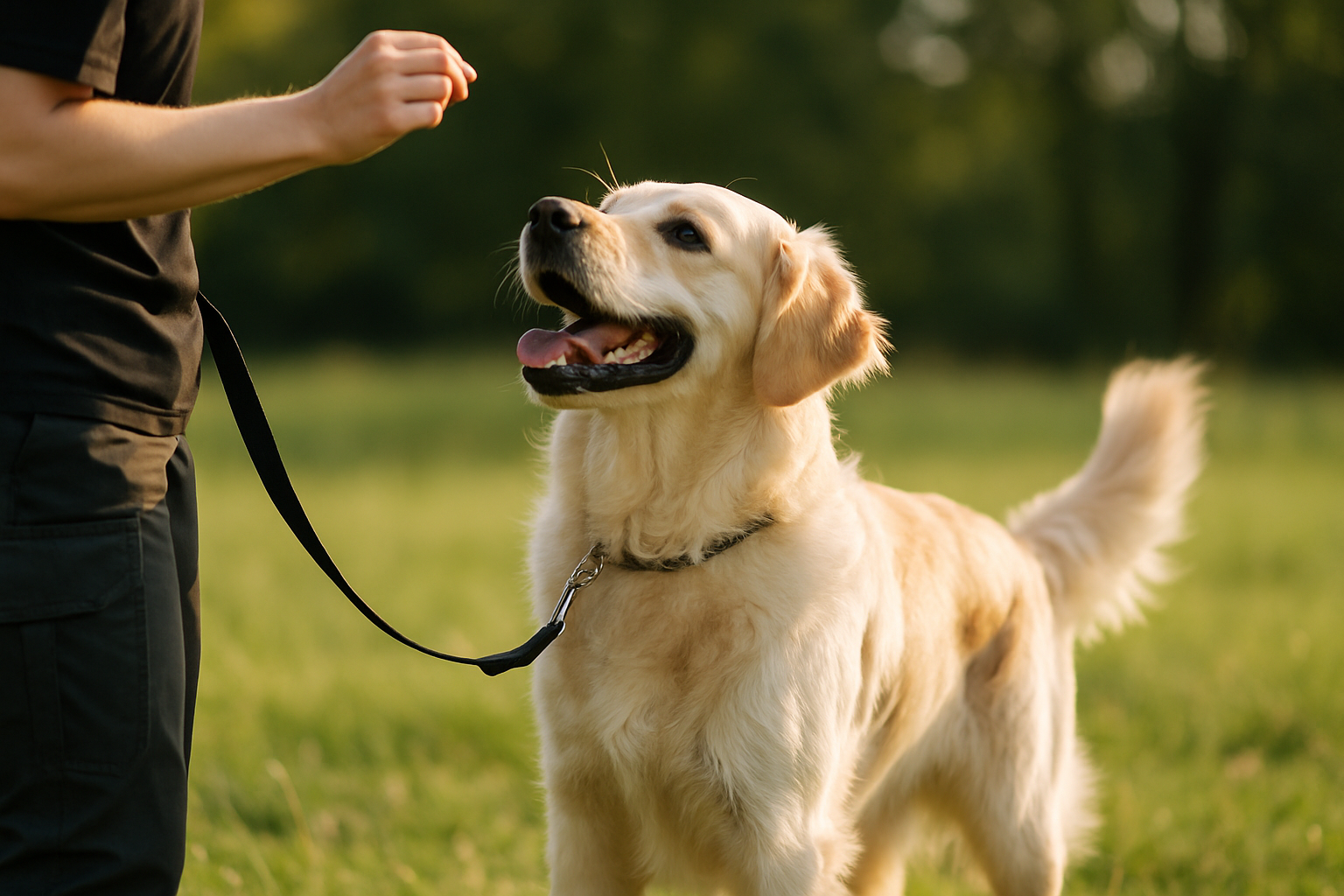
- Teach "look" or "watch me": In a calm environment, hold a treat near your face and reward your puppy when he makes eye contact. Practice until this is solid.
- Teach "touch": Hold out your hand and reward your puppy for touching it with his nose. This redirects focus away from the trigger.
- Use "find it": When your puppy sees a trigger, toss treats on the ground and say "find it." This keeps him busy and builds positive associations. [2]
- Practice in safe settings first: Build these behaviors in low-stress environments before using them near triggers.
Step 5: Never Use Punishment
This is non-negotiable. Punishing fear aggression doesn't teach your puppy to feel less afraid—it teaches him that scary situations get worse. [2]
When your puppy shows aggressive behavior:
- Don't scold or yell. This increases stress and fear.
- Don't use physical corrections. Hitting, grabbing, or using aversive collars can escalate aggression and teach your puppy to bite without warning. [2]
- Don't corner or trap your puppy. Always give him an escape route.
- Do remove him from the situation or remove the trigger. If you're the trigger, step out of sight. If it's something else, distract and redirect. [2]
Step 6: Build Confidence Through Positive Experiences
Fear aggression improves when puppies feel safer and more confident overall. This happens through consistent positive experiences.
- Controlled socialization: Expose your puppy to new experiences at his pace, not forced. Let him choose to approach.
- Confidence-building activities: Puzzle toys, training games, and exploration in safe spaces build competence and self-assurance.
- Predictable routines: Consistent schedules reduce anxiety because your puppy knows what to expect.
- Positive reinforcement training: Dogs trained with rewards are more optimistic and resilient. [2]
Training Methods That Work: What the Research Shows
Modern behavior science is clear: positive reinforcement works best for fear aggression. [2]
Dogs trained with positive reinforcement methods are more optimistic, more resilient, and less likely to develop additional behavioral problems. [2] This matters because fearful puppies are already stressed—adding punishment creates more fear, not less.
Force-free methods focus on:
- Teaching what you want instead of punishing what you don't
- Changing the underlying emotion (fear) rather than suppressing the warning sign
- Building your puppy's confidence and emotional regulation
- Creating predictable patterns your puppy can rely on
Preventing Fear Aggression: Start Early
If you have a young puppy or are considering getting one, prevention is far easier than recovery.
Critical Socialization Window (3-14 Weeks)
This is when puppies are most open to new experiences. Positive exposure during this window sets the foundation for confidence. [2]
What to prioritize:
- Gentle handling of all body parts (paws, ears, mouth, tail)
- Exposure to different people (various ages, appearances, sounds)
- Varied environments (parks, streets, stores, vehicles)
- Different sounds (traffic, vacuum, doorbell, children playing)
- Positive interactions with other puppies and dogs
- Positive vet visits (not just for vaccines—visit for treats and check-ups)
Use Positive Reinforcement from Day One
Never use punishment-based methods, even for minor issues. Harsh corrections teach puppies to fear the corrector, not to understand what they did wrong.
Avoid Traumatic Experiences
- Don't use physical punishment or harsh corrections
- Don't force interactions or trap your puppy
- Don't expose him to overwhelming situations without support
- Handle grooming and vet care gently and positively
What to Expect: Timeline and Realistic Goals
Recovery from fear aggression is possible, but it requires patience. There's no fixed timeline because every puppy is different. [4]
Factors affecting progress:
- How long the fear has been present
- Severity of the aggression and bite history
- Number of triggers and how predictable they are
- Your puppy's age and genetic predisposition
- Consistency of training and management at home
- Whether underlying medical issues are addressed
Some puppies show improvement within weeks. Others need months of consistent work. The key is steady, realistic progress rather than quick fixes. [4]
Realistic goals might include:
- Longer recovery time after exposure to triggers
- Greater distance tolerance before reacting
- Reduced intensity of aggressive displays
- More reliable alternative behaviors
- Increased confidence in everyday situations
When to Seek Professional Help: Don't Wait
If your puppy shows any form of aggression—even mild—get professional guidance early. Early intervention prevents escalation and gives your puppy the best chance of recovery. [1]
Seek help immediately if:
- Your puppy has bitten anyone, even if it didn't break skin
- Aggression is escalating in frequency or intensity
- Your puppy guards food, toys, or sleeping areas
- Aggression appears without clear triggers
- You feel unsafe or stressed managing the behavior
- Aggression appears suddenly (could indicate pain or medical issues)
Professional trainers and behavior consultants can distinguish between different types of aggression, identify underlying causes, and create a plan tailored to your situation. [Source 1, Source 3]
Managing Your Own Stress and Emotions
Living with a fearful, aggressive puppy is stressful. You might feel guilty, worried about liability, or isolated. These feelings are normal, and they matter. [5]
Remember:
- Your puppy's behavior is not your fault
- You're not alone—many families face this challenge
- Aggression is trainable with the right support
- Your puppy is not a "bad dog"—he's a scared dog who needs help
Take care of yourself during this process. Your calm, patient energy directly affects your puppy's ability to recover.
Key Takeaways: Your Action Plan
- Recognize the difference: Fear aggression is a defensive behavior rooted in anxiety, not malice or dominance.
- Prioritize safety: Manage your environment to prevent your puppy from practicing aggressive behavior.
- Get professional help: Work with a certified trainer or behavior consultant experienced with fear and aggression.
- Use positive reinforcement: Avoid punishment-based methods, which increase fear and worsen aggression.
- Be patient and consistent: Recovery takes time, but steady progress is achievable with the right approach.
- Rule out medical issues: Have your veterinarian evaluate your puppy to ensure pain or illness isn't contributing.
- Prevent future problems: Early socialization and positive experiences build confidence and prevent fear aggression from developing.
Fear aggression in puppies is serious, but it's also treatable. With safety, professional guidance, and commitment to positive training methods, most puppies can learn to feel safer and respond with confidence instead of fear. Your puppy isn't broken—he just needs help learning that the world is safe.
Sources & References
- https://happydogtraining.info/services-view/dog-aggression/
- https://www.petmd.com/dog/behavior/fear-aggression-dogs
- https://www.everydogaustin.org/aggressive-dog-training
- https://woofsdogtraining.com/behavior-modification-for-aggression-reactivity-anxiety/
- https://paw-champ.com/journal/dog-classes-for-aggressive-dogs/