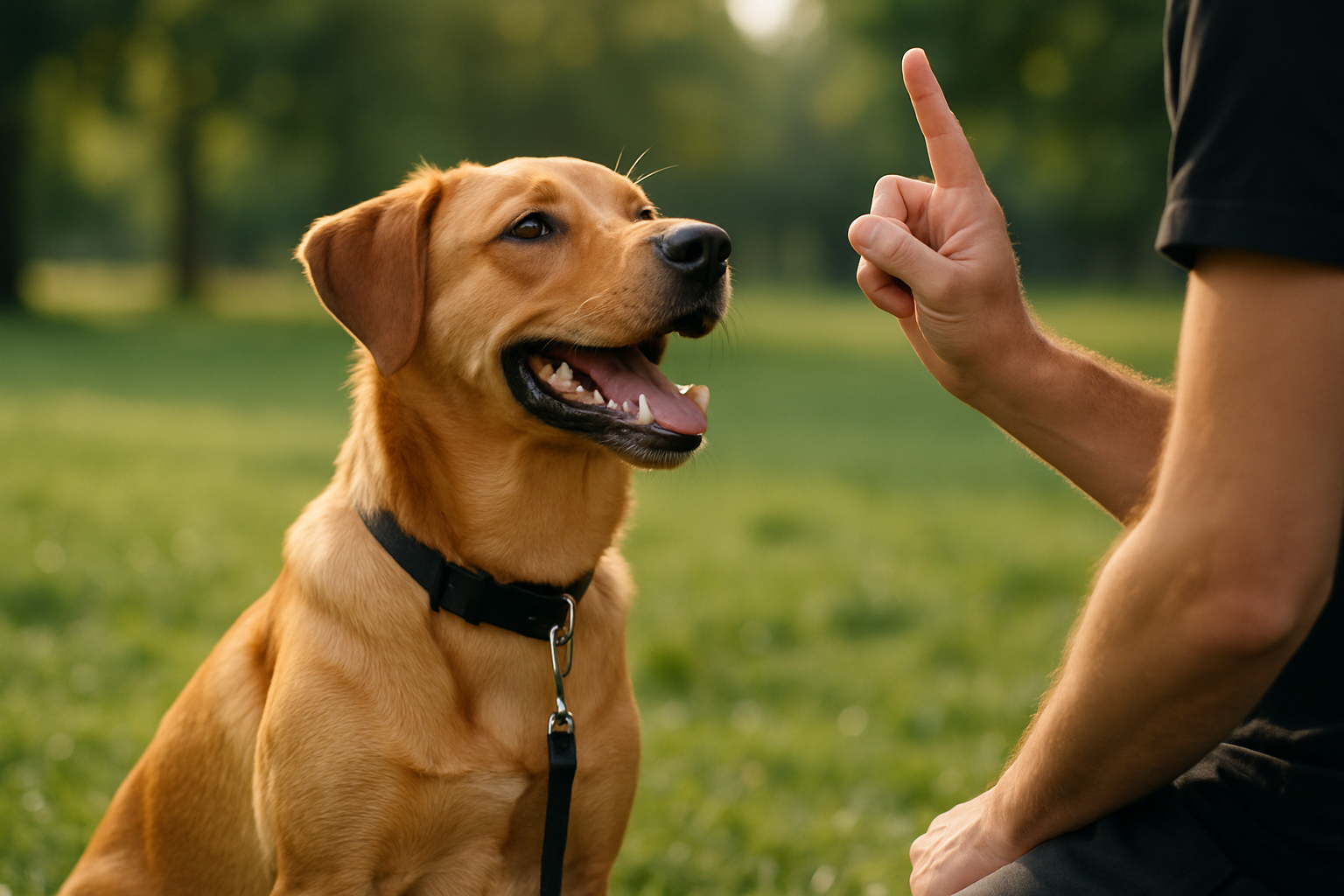
Indoor Games for Puppies: 15 Brain-Boosting Activities Your Dog Will Love
If you're a puppy parent, you've likely experienced that moment: your young dog stares at you from the couch with an expression that screams, "I'm bored." Bad weather, extreme temperatures, or simply a day when outdoor walks aren't possible can leave both you and your puppy restless.
Here's the good news: indoor play isn't a second-rate substitute for outdoor time. When designed thoughtfully, indoor games provide mental stimulation that can actually tire out your puppy more effectively than a casual walk. They also strengthen your relationship, reinforce training, and help redirect natural puppy behaviors like chewing and digging into positive outlets.
This guide walks you through 15 practical indoor games you can start playing today—many requiring nothing more than items already in your home.
Why Indoor Games Matter for Puppies
Before diving into specific games, it's worth understanding why indoor play is so valuable. Puppies have developing brains that thrive on mental challenges. A study referenced by the AKC shows that interactive games using a dog's natural instincts—like their sense of smell—provide meaningful cognitive engagement [2].
Beyond mental benefits, indoor games help you:
- Build focus and attention on you as their handler
- Reinforce obedience commands in a low-pressure environment
- Tire out high-energy puppies without joint strain
- Create positive associations with indoor time
- Develop problem-solving skills
The bonus? These activities deepen your bond in ways that passive couch time simply cannot match.
Scent-Based Games: Tapping Into Your Puppy's Superpower
Your puppy's nose is extraordinary. Dogs possess approximately 45 times more scent receptors than humans, making smell-based games naturally engaging and mentally demanding [2].
1. The Cup Game (Three-Cup Challenge)
What you need: Three cups and a small treat
How to play:
- Ask your puppy to sit and stay about 10 feet away from three upturned cups
- Place a treat under one cup while your puppy watches
- Excitedly ask, "Where's the treat?"
- Reward generously when they identify the correct cup
- Once mastered, shuffle the cups before they sniff them out, or pretend to place treats under multiple cups to increase difficulty [1]
Why it works: This game combines scent detection with problem-solving and keeps puppies mentally engaged for extended periods.
2. Hide and Seek with Treats ("Find It!")
What you need: Treats and a safe room
How to play:
- Start by showing your puppy a treat, then place it on the floor within sight
- Say "Find it!" enthusiastically and praise when they locate it
- Gradually hide treats in less obvious spots around the room
- Use verbal cues like "Ooh!" or tap your foot to guide them toward hidden treats if needed [1]
- For advanced play, set up an entire room of hidden treats as a surprise challenge
Pro tip: Use low-value treats for this game so your puppy doesn't become overweight. Kibble from their regular meal works perfectly.
3. Snuffle Mat Exploration
What you need: A snuffle mat (or DIY version using a towel with treats hidden in folds)
How to play:
- Hide treats throughout the pockets or folds of the mat
- Encourage your puppy to sniff and root through the material to find them
- Let them work independently while you supervise
Snuffle mats engage both scent work and natural rooting behaviors, providing extended mental stimulation with minimal effort from you [2].
Retrieval and Naming Games: Building Vocabulary and Recall
4. Toy Name Recognition
What you need: Multiple distinctly different toys
How to play:
- Select one toy and hold it up for your puppy to see and sniff
- Give it a specific name (e.g., "ball," "rope," "duck")
- Toss it and ask, "Where's your [toy name]?"
- Celebrate enthusiastically when they retrieve it
- Repeat with other toys, always using the same name for each toy
- Once your puppy knows 2-3 toy names, set out multiple toys and ask for a specific one [1]
This game builds vocabulary and strengthens your puppy's ability to understand and respond to specific words.
5. Come and Recall Training (Two-Person Game)
What you need: A friend or family member and treats
How to play:
- Stand a few feet apart, each holding a handful of treats
- Person A calls the puppy to "Come," rewarding with praise and a treat
- Person B then calls them over, repeating the reward
- Step back a few feet each round, increasing distance gradually
- Every fourth or fifth repetition, offer only praise—no treat—to keep them guessing [1]
This game makes recall training feel like play while building distance and reliability in your puppy's response.
Physical Exercise Games: Safe Indoor Movement
6. Staircase Fetch (For Puppies Over 6 Months)
What you need: A staircase and your puppy's favorite toy
Important safety note: This game is not suitable for puppies under 6 months, as their joints are still developing. Avoid this activity for elderly dogs or those prone to joint issues [1].
How to play:
- Have your puppy sit at the bottom of the stairs
- Throw their toy to the top of the stairs
- Say "Fetch!" or "Go!" and let them run up
- Call them back down with "Come," then ask them to "Drop" the toy
- Repeat until your puppy is visibly tired
This game provides intense physical exercise in a compact space and naturally incorporates obedience training.
7. Obstacle Course Navigation
What you need: Household items (broken-down boxes, chairs, cushions, books)
How to play:
- Create a simple course using everyday items: boxes to crawl through, chairs to weave around, cushions to jump over
- Start with low-difficulty obstacles
- Guide your puppy through with treats or toys
- Gradually increase complexity as they gain confidence
- Practice weaving between poles (use chairs or even family members as "poles") while your puppy heels alongside you [2]
Bonus benefit: Obstacle work improves coordination, focus, and concentration while providing cardiovascular exercise.
8. Controlled Jumping and Pole Work
What you need: A pole, stick, or hula-hoop
How to play:
- Start with the pole just an inch or two off the ground
- Have your puppy walk over it on a leash, then praise
- Gradually raise the height with each successful pass
- Once they master the pole, try jumping through a hula-hoop [1]
Safety reminder: Always supervise jumping activities, especially in puppies. Avoid hard floors where they might slip and injure themselves.
Interactive Training Games: Combining Fun and Obedience
9. The "Stay and Seek" Game
What you need: Just you and your puppy
How to play:
- Ask your puppy to "Stay" in a room
- Leave and hide in another room (closet, behind furniture, etc.)
- Call their name to encourage them to find you
- Celebrate their success enthusiastically when they locate you [2]
This game reinforces the "Stay" command while making your puppy work for the reward of finding you. It's particularly effective for puppies with attention-seeking behaviors.
10. Sit-Stay Distance Training
What you need: Just you and your puppy
How to play:
- Call your puppy to come to you
- Ask them to sit and stay
- Move away slowly, waiting about a minute before calling "Come"
- Repeat, gradually increasing the distance and duration of the stay [1]
This builds impulse control and teaches your puppy to wait for your command—essential skills for a well-behaved adult dog.
11. Impulse Control: Sit During Excitement
What you need: A leash and your energy
How to play:
- While your puppy is on a leash, get them excited by running, cheering, and jumping
- Mid-romp, suddenly ask them to "Sit"
- Reward heavily when they comply
- Repeat, practicing the transition from high energy to calm sitting [2]
This game builds self-control and teaches your puppy that calm behavior during excitement earns rewards.
Puzzle and Enrichment Games: Mental Stimulation
12. Puzzle Toys and Treat Dispensers
What you need: A puzzle toy (many brands available) and treats or kibble
How to play:
- Fill the puzzle toy with treats or kibble
- Give it to your puppy and let them work independently to extract the rewards
- Start with beginner-level puzzles and progress to more difficult ones as your puppy improves [3]
Added benefit: Using puzzle toys for meals slows down eating, improving digestion and reducing bloat risk in some puppies.
13. DIY Cardboard Box Shredding Station
What you need: Cardboard boxes, recyclable paper, old towels, and treats
How to play:
- Wrap treats in paper or towels
- Toss them into a cardboard box
- Encourage your puppy to shred their way to the treats [5]
Pro tip: This activity redirects natural shredding behaviors into an appropriate outlet, potentially preventing destructive chewing elsewhere in your home. Have a vacuum ready—this game gets messy!
14. Frozen Kong and Treat Toys
What you need: A Kong toy and various fillings (peanut butter, yogurt, kibble, treats)
How to play:
- Stuff a Kong with treats and your puppy's favorite fillings
- Layer different textures for added challenge
- Seal the top with peanut butter or another sticky substance
- Freeze for several hours
- Give to your puppy and watch them work [3]
Frozen Kongs provide extended entertainment and are particularly helpful during hot weather or when you need uninterrupted time.
15. Yoga Mat Treat Unroll
What you need: A yoga mat or towel and treats
How to play:
- Roll a yoga mat with treats hidden throughout
- Show your puppy the rolled mat and let them figure out how to unroll it
- Most puppies quickly learn to nose and paw at the mat to access treats
- Gradually reduce the number of treats to encourage them to unroll the entire mat [3]
This game teaches problem-solving while allowing your puppy to use natural rooting behaviors.
Safety Considerations for Indoor Play
While indoor games are generally safe, keep these guidelines in mind:
- Joint protection: Avoid high-impact jumping games for puppies under 6 months or large-breed puppies whose growth plates haven't closed
- Flooring: Play on carpeted areas when possible to prevent slipping injuries on hardwood or tile
- Supervision: Always supervise games involving small objects, puzzle toys, or anything that could become a choking hazard
- Portion control: Account for treats used in games when calculating daily calorie intake to prevent overfeeding
- Duration: Puppies have short attention spans; keep games to 10-15 minutes and rotate activities to maintain interest
Creating a Sustainable Indoor Play Routine
The best indoor game plan is one you'll actually stick with. Consider rotating games throughout the week to maintain novelty and prevent boredom. You might create a simple routine like this:
- Monday: Scent games (cup game or "Find It!")
- Tuesday: Retrieval and naming games
- Wednesday: Obstacle course or physical exercise
- Thursday: Training games (recall, sit-stay)
- Friday: Puzzle toys and enrichment
- Saturday & Sunday: Mix of favorites or extended play sessions
Having a documented routine is especially helpful if you have a dog sitter or family member caring for your puppy while you're away [5].
The Real Impact: Beyond Entertainment
Indoor games might seem like simple diversions, but they're actually powerful tools for puppy development. Each game builds confidence, strengthens obedience, and deepens the bond between you and your puppy. A mentally stimulated puppy is also typically a calmer, better-behaved puppy—less likely to engage in destructive behaviors like excessive chewing or barking.
The next time weather or circumstances keep you indoors, don't view it as a setback. Instead, see it as an opportunity to engage your puppy's mind in ways that outdoor walks simply cannot replicate.
Getting Started Today
You don't need special equipment or extensive preparation to start playing indoor games with your puppy. Begin with games that use items you already have—cups from your kitchen, toys from their toy box, treats from their regular food. Pick one or two games that appeal to both you and your puppy, practice them for a few days, then introduce new ones.
The investment of 15-30 minutes of intentional indoor play delivers returns in the form of a happier, more focused, and better-trained puppy. That's a trade worth making on any day.