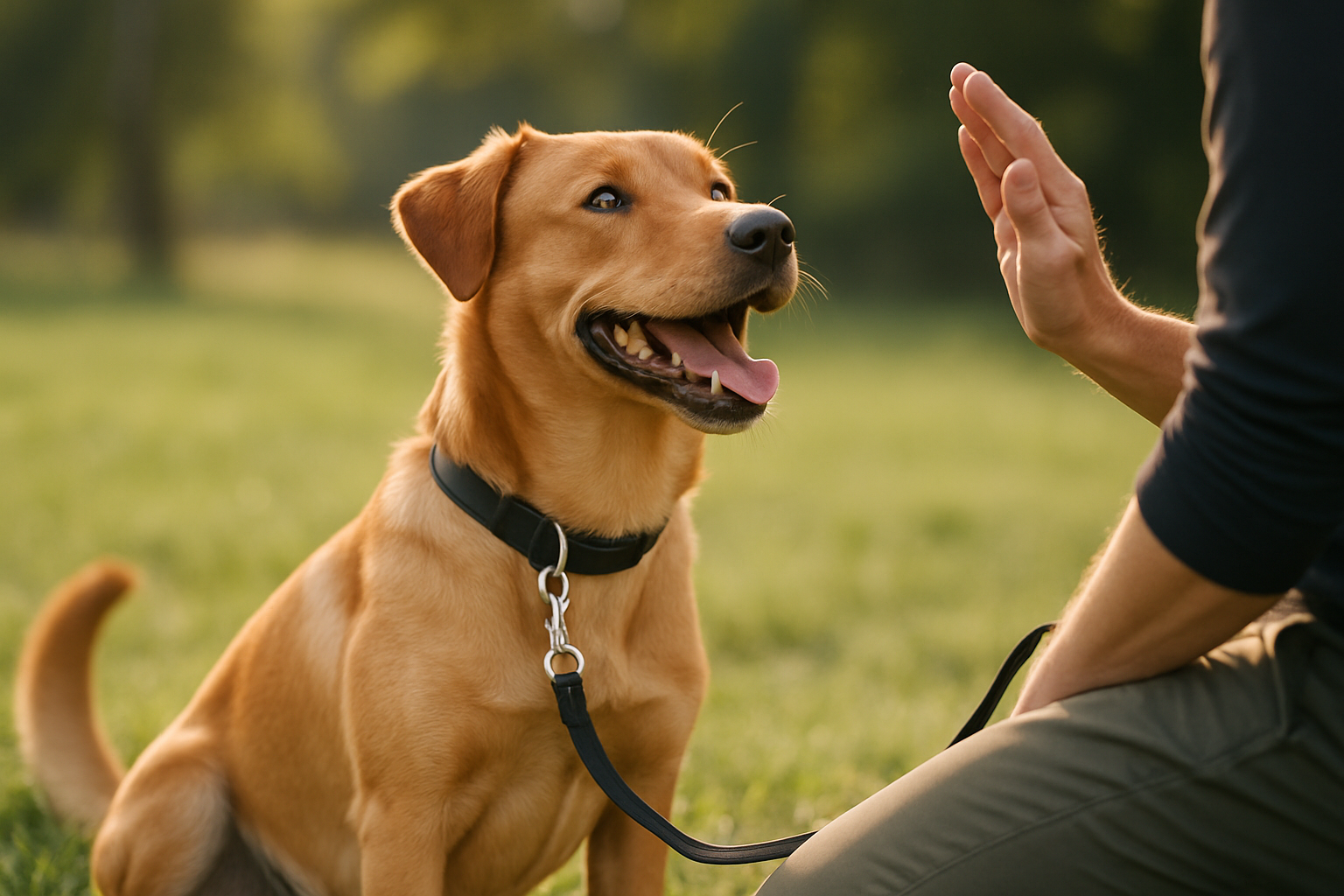
Indoor Games for Puppies: 15 Engaging Activities to Keep Your Pup Happy
You're working from home, the weather outside is miserable, or your schedule is packed—and your puppy is climbing the walls. Sound familiar? Many puppy owners face the challenge of keeping their young dogs mentally and physically stimulated when outdoor play isn't an option. But here's the good news: your home can become an enrichment playground that keeps your puppy thriving.
Research shows that environmental enrichment—using stimuli and activities to support psychological and physical well-being—reduces stress, improves cognitive function, and promotes relaxation in dogs. [1] Without adequate mental stimulation, puppies can become anxious, frustrated, and destructive. The solution? Strategic indoor play that engages both body and brain.
This guide presents 15 practical indoor games you can start today, with safety tips, setup instructions, and bonus training opportunities built in.
Why Indoor Play Matters for Puppies
Puppies aren't just smaller versions of adult dogs—they're learning machines with enormous energy reserves. Indoor games serve multiple purposes beyond simple entertainment. They build confidence, reinforce training commands, strengthen your bond, and tire out your puppy in ways that prevent destructive behavior.
The key is variety. Rotating between different activities prevents boredom and keeps your puppy mentally engaged. [2] A well-structured indoor routine also becomes invaluable when a family member or dog sitter cares for your puppy while you're away.
Scent-Based Games: Tap Into Your Puppy's Superpower
Your puppy's nose contains approximately 45 times more scent receptors than your human nose. [4] This means scent-based games aren't just fun—they're deeply rewarding and mentally exhausting for your pup.
Hide and Seek with Treats
Setup:
- Gather 3–5 small boxes or containers
- Arrange them upside down on your floor
- Place a high-value treat under one box
- Let your puppy watch you hide the treat initially
How to play: Encourage your puppy to sniff around and find the treat. When they identify the correct box, celebrate enthusiastically and reward them immediately. [4] Gradually increase difficulty by hiding the treat without letting your puppy watch, or by adding more boxes.
Bonus outcome: This game sharpens your puppy's focus and introduces the concept of problem-solving.
Cardboard Box Shredding Hunt
Setup:
- Gather cardboard boxes, recyclable paper, and old towels
- Wrap your puppy's favorite treats in paper
- Toss the wrapped treats into the box
- Let your puppy enjoy the thrill of shredding their way to the treats
Pro tip: This activity can be messy, but it allows your puppy to express natural behaviors like shredding in a controlled environment, which can reduce unwanted shredding elsewhere in your home. [2] Set up this game in an easy-to-clean area or on a washable mat.
Bonus outcome: Your puppy satisfies their natural instinct to forage and dig, reducing frustration and destructive tendencies.
Snuffle Mat Exploration
A snuffle mat is a fabric mat with pockets and folds designed to hide treats. Your puppy uses their nose to search through the mat's layers to find hidden snacks. [4] This low-energy but mentally stimulating activity is perfect for times when you need your puppy to settle down while you work.
Physical Exercise Games: Burn Energy Safely
Puppies need physical activity, but their growing joints are still developing. These games provide cardiovascular benefits without high-impact stress.
Indoor Fetch with Soft Toys
Setup:
- Choose a soft toy or ball appropriate for your puppy's size
- Clear a hallway or open room of obstacles
- Use a short leash initially if your puppy is still learning recall
How to play: Throw the toy a short distance and encourage your puppy to retrieve it. Build in frequent breaks—puppies tire quickly and need rest. [2] This classic game remains effective because it combines physical exercise with the reward of your attention and praise.
Safety note: Always supervise fetch indoors to prevent collisions with furniture or walls.
Bubble Chasing
Most puppies become mesmerized by bubbles. This simple activity burns energy, improves coordination, and provides entertainment even when you're not up for vigorous play. [3]
Setup:
- Purchase a pet-safe bubble solution (any standard children's bubble kit works)
- Blow bubbles in your puppy's play area
- Watch them chase, pounce, and attempt to catch the bubbles
Pro tip: This activity requires minimal effort from you but provides genuine aerobic exercise for your puppy.
Tug of War (The Right Way)
Tug of war has a reputation for encouraging aggression, but when played correctly, it's a safe and bonding game. [3]
How to play:
- Offer your puppy a durable toy designed for tugging
- Gently pull on the toy while your puppy holds the other end
- Let your puppy win at least half the time to keep them motivated
- If your puppy nips your hand, stop the game immediately
Bonus outcome: This game reinforces your leadership while teaching your puppy that play has boundaries.
Flirt Pole Play
A flirt pole is a toy on the end of a string or rope attached to a pole. Your puppy chases and pounces on the moving toy. [2]
Safety considerations: Keep movements low and controlled to avoid sharp turns or extreme jumps that could injure your puppy's joints or cause falls on slippery floors. Hardwood and tile surfaces increase injury risk, so play on carpet when possible.
Bonus outcome: Flirt pole play is an excellent opportunity to reinforce "leave it" and "take it" commands while safely channeling your puppy's prey drive.
Training Games: Build Skills While Playing
Some of the best indoor games double as training opportunities. Your puppy learns commands, builds confidence, and earns rewards—all while having fun.
Hide and Seek (The Human Version)
This classic game requires your puppy to understand basic commands like "stay" and "come." [4]
How to play:
- Lead your puppy to a room and ask them to stay
- Leave the room and hide in another location
- Call your puppy's name to encourage them to find you
- Celebrate enthusiastically when they locate you
Pro tip: Start with easy hiding spots (partially behind a door) and gradually increase difficulty as your puppy's skills improve.
Sit-to-Play Impulse Control
This game teaches your puppy that calm behavior earns rewards. [4]
How to play:
- Get your puppy excited—run around, cheer, jump
- Mid-play, give the "sit" command
- Reward them immediately when they sit
- Resume play as the reward
Bonus outcome: Your puppy learns to transition from high energy to calm focus, which reduces jumping and other excited behaviors.
Command Review Sessions
Rainy days are perfect for reviewing tricks and commands your puppy is learning. [3] Spend 10–15 minutes going through sit, down, stay, and come. Reward every correct response. This mental exercise tires puppies as much as physical play.
Obstacle and Agility Games: Challenge Body and Mind
Obstacle courses don't require expensive equipment. Household items work perfectly for building coordination, focus, and confidence.
DIY Obstacle Course
Setup ideas:
- Cardboard boxes to crawl through
- Chairs to weave between or jump over
- Broomsticks at low heights for jumping
- Towels or blankets as balance challenges
How to use: Guide your puppy through the course using treats and verbal encouragement. Start simple and gradually increase difficulty. [4] This activity improves focus, concentration, and physical coordination.
Weave Pole Training
You don't need official agility poles. Set up chairs, use family members as "poles," or even use standing household items. [4]
How to play:
- Instruct your puppy to heel alongside you
- Weave between the poles at varying speeds
- Change pace from fast to slow to encourage concentration
Bonus outcome: Your puppy develops coordination and learns to follow your lead through directional changes.
Balance Disc Work
Balance discs and wobble boards strengthen your puppy's stabilizer muscles and improve proprioception (body awareness). [2] Even without equipment, start with an overturned bowl on carpet.
Progression:
- Teach your puppy to target their front paws onto the surface
- Gradually progress to both front paws
- Advance to back limbs
- Eventually work toward all four paws
Bonus outcome: Portable wobble discs become useful exercise tools even when traveling.
Puzzle and Brain Games: Mental Exhaustion
Mental stimulation tires puppies as much as physical play—sometimes more. These games challenge your puppy's problem-solving abilities.
Puzzle Toys and Kongs
Puzzle toys loaded with treats force your puppy to work for their reward. Kong Wobblers are particularly effective. [3] Rotate puzzle toys to maintain novelty and prevent boredom.
Pro tip: Save new puzzle toys for days when you need extended quiet time from your puppy.
Muffin Tin Game
Setup:
- Place treats in the cups of a muffin tin
- Cover some cups with tennis balls
- Let your puppy figure out which cups contain treats
How it works: Your puppy must remove the tennis balls to access the treats. [3] This game combines problem-solving with physical manipulation.
Homemade Sniff Boxes
Fill boxes with crumpled paper, towels, and hidden treats. Your puppy searches through the materials to find rewards. This engages the nose while allowing natural digging behavior in a contained space.
Calm-Down Games: For Tired Puppies
Not every indoor game needs to be high-energy. These activities help your puppy wind down while staying engaged.
Lick Mat Sessions
Lick mats provide digestive, dental, and mental health benefits. [2] Spread wet food, peanut butter (xylitol-free), or yogurt on a lick mat and freeze it for extended engagement.
Pro tip: Have your puppy practice "settle" on their bed nearby while you prepare the lick mat. Reward calm behavior before allowing them to enjoy their treat.
Window Watching with Rewards
Sit with your puppy near a window and talk about what you see outside. Reward your puppy for calm, attentive behavior. [2] For every dog, cat, person, or car your puppy spots, offer a treat before they have a chance to bark. This teaches your puppy to associate external stimuli with calm behavior rather than reactive barking.
Safety Tips for Indoor Puppy Play
- Supervise all activities: Never leave your puppy alone with toys or games that could cause injury or choking hazards
- Avoid slippery surfaces: Use rugs or play in carpeted areas to prevent joint stress during high-energy games
- Know your puppy's limits: Puppies have shorter attention spans and tire quickly. Multiple short sessions work better than one long play period
- Check toy safety: Ensure all toys are appropriately sized and designed for your puppy's age and size
- Take breaks: Build rest periods into play sessions to prevent overexertion
- Watch for overheating: Indoor play can overheat puppies quickly. Provide water and cool-down time
Creating a Rotation Schedule
The most successful indoor play routine rotates between activity types. Here's a sample day:
- Morning: High-energy game (fetch, bubble chasing)
- Mid-morning: Training game (command review, hide and seek)
- Afternoon: Puzzle or brain game (muffin tin, sniff box)
- Late afternoon: Calm-down activity (lick mat, window watching)
- Evening: Gentle play (tug of war with breaks)
This variety prevents boredom while ensuring your puppy gets both physical and mental stimulation throughout the day.
Adapting Games to Your Puppy's Age
Very young puppies (8–12 weeks): Focus on gentle games like sniff boxes, lick mats, and short training sessions. Avoid high-impact activities.
Growing puppies (3–6 months): Introduce more active games like fetch and bubble chasing, but keep sessions brief. Avoid activities that stress developing joints.
Older puppies (6+ months): Gradually introduce more challenging obstacles and agility work as their coordination and strength improve.
Key Takeaways
Indoor play isn't a substitute for outdoor exercise, but it's an essential component of your puppy's development. By rotating between physical games, training games, puzzle games, and calm-down activities, you'll keep your puppy mentally stimulated, physically tired, and emotionally bonded to you.
The best indoor game is the one you'll actually play consistently. Start with activities that fit your lifestyle and energy level, then expand your repertoire as you discover what your puppy enjoys most. On rainy days, busy schedules, or extreme weather, you'll have a toolbox of proven games ready to transform your home into an enrichment paradise.
Remember: a mentally and physically stimulated puppy is a happier, healthier puppy—and a better-behaved one too.