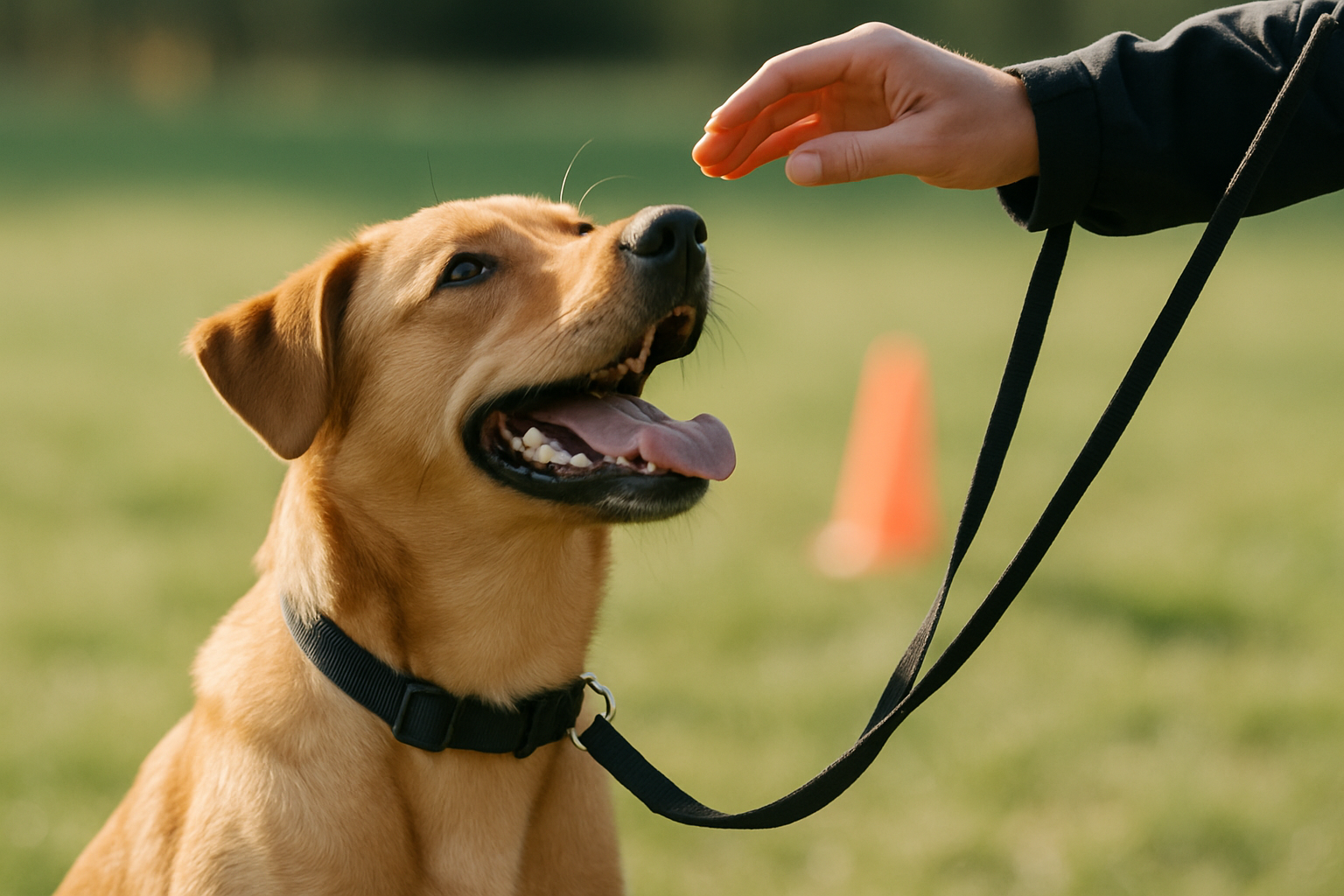
Why Puppy Games Matter More Than You Think
Raising a puppy feels overwhelming. Between housebreaking accidents, teething furniture, and endless energy, many new owners wonder if playtime is a luxury they can afford. The truth is the opposite. Strategic games aren't just entertainment—they're foundational training disguised as fun. [4] Games teach puppies how to learn, build impulse control, and channel their natural instincts into appropriate behaviors. Without outlets for mental and physical stimulation, puppies often develop destructive habits like excessive chewing, barking, and restlessness. The games in this guide solve real problems while strengthening your relationship with your puppy.
How Play Supports Core Training Goals
Modern puppies face unique challenges. They're expected to adapt to apartments, car travel, time alone, and multiple environments. [4] Training provides the predictability and structure that help puppies feel secure in these situations. Games accelerate this process by making learning feel natural and rewarding. When puppies play, they're more engaged, motivated, and willing to repeat behaviors. This is why reward-based play works so much better than correction-focused approaches. Each game in this guide targets specific skills your puppy needs for everyday life.
Game 1: The Find It Challenge (Scent Work)
This game taps into your puppy's natural hunting instincts while building focus and problem-solving abilities. [5] Many dogs naturally love using their noses, and teaching them to find items on cue creates a practical skill you can use daily. Beyond retrieving dropped items on walks, this game strengthens your puppy's confidence and provides mental stimulation that physical exercise alone cannot match.
How to teach it:
- Start in a quiet, confined space like your kitchen or a small room
- Show your puppy a favorite toy or treat pouch
- Let them watch as you hide it just a few feet away—barely concealed at first
- Use an excited tone and say "Find it!" as you gesture toward the hiding spot
- When your puppy discovers the item, celebrate enthusiastically and reward with praise or a treat
- Gradually increase difficulty by hiding items further away or in slightly more challenging locations
- Once your puppy understands the game, practice with items you actually use (gloves, keys, treat pouches)
Real-world application: You're out on a walk, your puppy's leash slips from your hand, and your glove drops in the grass. Instead of frantically searching, you simply say "Find it!" and your puppy retrieves it. This transforms a frustrating moment into a confident display of teamwork.
Safety note: Always supervise this game outdoors and be mindful of traffic or other hazards. Start in safe, enclosed areas like your backyard.
Game 2: The Sit-Stay Challenge
Building impulse control is one of the most important investments you can make in your puppy's behavior. [4] The sit-stay game teaches your puppy to pause before reacting, which prevents jumping on guests, reduces reactivity on walks, and creates calm routines around doors and transitions.
How to teach it:
- Ask your puppy to sit (if they don't know this command yet, teach it first by holding a treat near their nose and moving it upward and back until their bottom naturally lowers)
- Once seated, hold your hand up in a "stop" gesture and say "stay" in a calm, clear voice
- Take one small step backward
- If your puppy remains seated, immediately return and reward them with treats and praise
- Gradually increase the distance and duration over multiple training sessions
- Practice in different rooms and environments to build reliability
Progressive difficulty levels:
- Week 1-2: Stay in place for 5-10 seconds, you standing 2-3 feet away
- Week 3-4: Increase duration to 15-20 seconds, increase distance to 5-6 feet
- Week 5+: Add distractions like toys on the floor or family members walking nearby
Real-world application: Your puppy stays calmly in place while you open the front door for guests, preventing the chaotic jumping and bolting that frustrates so many owners. This same skill helps during vet visits, grooming appointments, and any situation requiring calm focus.
Game 3: The Tug-of-War Game (With Boundaries)
Many trainers discourage tug-of-war, but when taught with clear rules, it's an excellent game for puppies. It provides intense physical engagement, teaches bite inhibition, and builds your relationship through interactive play. The key is establishing that you control when the game starts and stops.
How to teach it:
- Use a durable rope toy or tug toy designed for this purpose
- Get your puppy excited by wiggling the toy and inviting them to grab it
- Once they have the toy in their mouth, gently pull while they pull back
- Play for 10-15 seconds, then say "drop" or "release" in a calm voice
- The moment they release the toy, reward them immediately with treats and praise
- Wait a few seconds before starting another round
- Always end the game on your terms—put the toy away while your puppy still wants to play
Key rules to establish:
- Only play tug-of-war with designated toys, never your hands or clothing
- Your puppy must release the toy immediately when you ask
- You decide when the game ends
- If your puppy gets too excited or snaps at your hands, calmly end the session
Real-world application: Puppies who understand tug boundaries are less likely to grab and hold inappropriate items like your socks or furniture. The game also provides an outlet for natural predatory behavior that might otherwise manifest as destructive chewing.
Game 4: The Fetch Game (Foundation for Retrieving)
Fetching combines physical exercise with mental engagement and teaches your puppy to respond to direction and return to you. Not all puppies naturally retrieve, but most can learn with patience and the right motivation.
How to teach it:
- Choose a toy your puppy finds genuinely exciting
- In a confined space (backyard or small room), toss the toy just a few feet away
- Use an excited tone and say "fetch!" as the toy lands
- Your puppy will likely chase it out of instinct
- When they reach the toy, celebrate and encourage them to come back to you
- You may need to run backward or crouch down to make returning to you seem fun
- Reward them generously when they return, even if they don't have the toy
- Gradually increase the distance as your puppy improves
Troubleshooting: If your puppy takes the toy and runs away, don't chase them—this turns it into a game of keep-away. Instead, run in the opposite direction or sit down and ignore them. Most puppies will come investigate. Keep initial throws very short and use a toy they're highly motivated by.
Real-world application: A puppy who retrieves reliably gets more off-leash freedom in safe spaces, receives better exercise in less time, and enjoys a game that strengthens your bond through cooperation.
Game 5: The Hide-and-Seek Game
This game builds your puppy's focus on you, reinforces recall (coming when called), and provides mental stimulation. It's particularly useful for puppies who struggle with attention and distraction.
How to teach it:
- Start in your home with your puppy in another room or with another person holding them
- Hide somewhere easy to find—behind a door or in the next room
- Call your puppy's name excitedly and say "Find me!"
- When they find you, celebrate enthusiastically with treats, praise, and play
- Repeat several times, then gradually hide in slightly more challenging locations
- Practice in different rooms and eventually outdoors in safe, enclosed areas
Progressive variations:
- Beginner: Hide behind a door with it partially open
- Intermediate: Hide in another room with the door closed
- Advanced: Hide outside in your yard while your puppy is briefly distracted
Real-world application: Puppies who enjoy finding you are more likely to check in with you during walks and outdoor play, improving safety and recall reliability.
Game 6: The Puzzle Toy Challenge
While interactive games with you are essential, puppies also need independent mental stimulation. Puzzle toys and treat-dispensing toys keep puppies engaged during times you can't actively play, reducing boredom-related destructive behaviors. [4]
How to use them effectively:
- Introduce puzzle toys during calm times, not as a substitute for active training
- Start with easier puzzles your puppy can solve in 5-10 minutes
- Gradually increase difficulty as your puppy's problem-solving skills improve
- Rotate different puzzles to maintain novelty and engagement
- Use puzzle toys during crate time or when you need focused, independent activity
- Supervise initially to ensure your puppy doesn't become frustrated
Real-world application: A puppy engaged with a puzzle toy is not chewing furniture, barking excessively, or developing destructive habits. This game supports the structured routines that reduce stress for both puppies and their owners.
Essential Tools That Support Game-Based Training
The right equipment makes game-based training more effective and enjoyable. [4] You don't need expensive gear, but a few basics are worth the investment:
- Treat pouch: Keeps rewards immediately accessible so you can reinforce behavior the moment it happens. Timing matters, especially during early learning.
- Variety of toys: Different textures, sizes, and functions keep puppies engaged. Rope toys for tug games, balls for fetch, puzzle toys for independent play.
- Well-fitted collar and leash: Durable equipment supports consistent outdoor training and makes walks safer and more enjoyable.
- Crate or kennel: Provides structure and predictability, supporting housebreaking and giving your puppy a safe rest space between play sessions.
- Training pads: Offer additional support during housebreaking transitions.
Creating a Game-Based Training Schedule
Consistency matters. [4] Dogs learn through repetition, and puppies benefit from regular, predictable play sessions. Here's a practical daily structure:
- Morning (10-15 minutes): Active game like fetch or tug-of-war to burn energy and build focus
- Mid-day (5-10 minutes): Training game like sit-stay or find-it to reinforce learning
- Afternoon (independent): Puzzle toy or quiet play while you manage daily tasks
- Evening (10-15 minutes): Calmer games like hide-and-seek or scent work to wind down before bedtime
Adjust based on your puppy's age, energy level, and learning pace. Younger puppies (8-12 weeks) have shorter attention spans and need more frequent, shorter sessions. Older puppies (4+ months) can handle longer, more complex games.
Common Mistakes to Avoid
Even with the best intentions, game-based training can go sideways without these guardrails:
- Playing when your puppy is already overstimulated: Tired, excited puppies often can't focus. Play sessions work best when your puppy is alert but not frantic.
- Inconsistent rules: If you let your puppy win tug-of-war sometimes but not others, they become confused. Clear, consistent boundaries make learning faster.
- Skipping the foundation: Puppies need to understand basic commands like sit before playing more complex games. Build systematically.
- Ignoring safety: Always supervise play, especially outdoors. Watch for signs of exhaustion, overheating, or frustration.
- Making games too difficult too quickly: Progress gradually. If your puppy stops trying or becomes frustrated, you've jumped ahead too far.
When to Seek Professional Help
Games work best for puppies learning normal behaviors. If your puppy shows signs of aggression, extreme fear, or sudden behavior changes during play, consult a qualified veterinarian, veterinary behaviorist, or certified trainer. These professionals can rule out underlying health issues or behavioral concerns that games alone cannot address.
Key Takeaways
Fun puppy games are far more than entertainment. They're structured learning experiences that build essential skills, reduce destructive behavior, and create lasting bonds between you and your puppy. By incorporating the games in this guide into your daily routine, you're investing in a calmer, more confident adult dog. Start with one or two games, master them, then gradually add others. Consistency and patience matter far more than perfection. Your puppy is learning how to learn, and every successful game session makes future training easier. The time you invest now—through play, repetition, and clear communication—directly improves your puppy's safety, happiness, and adaptability to the modern world.