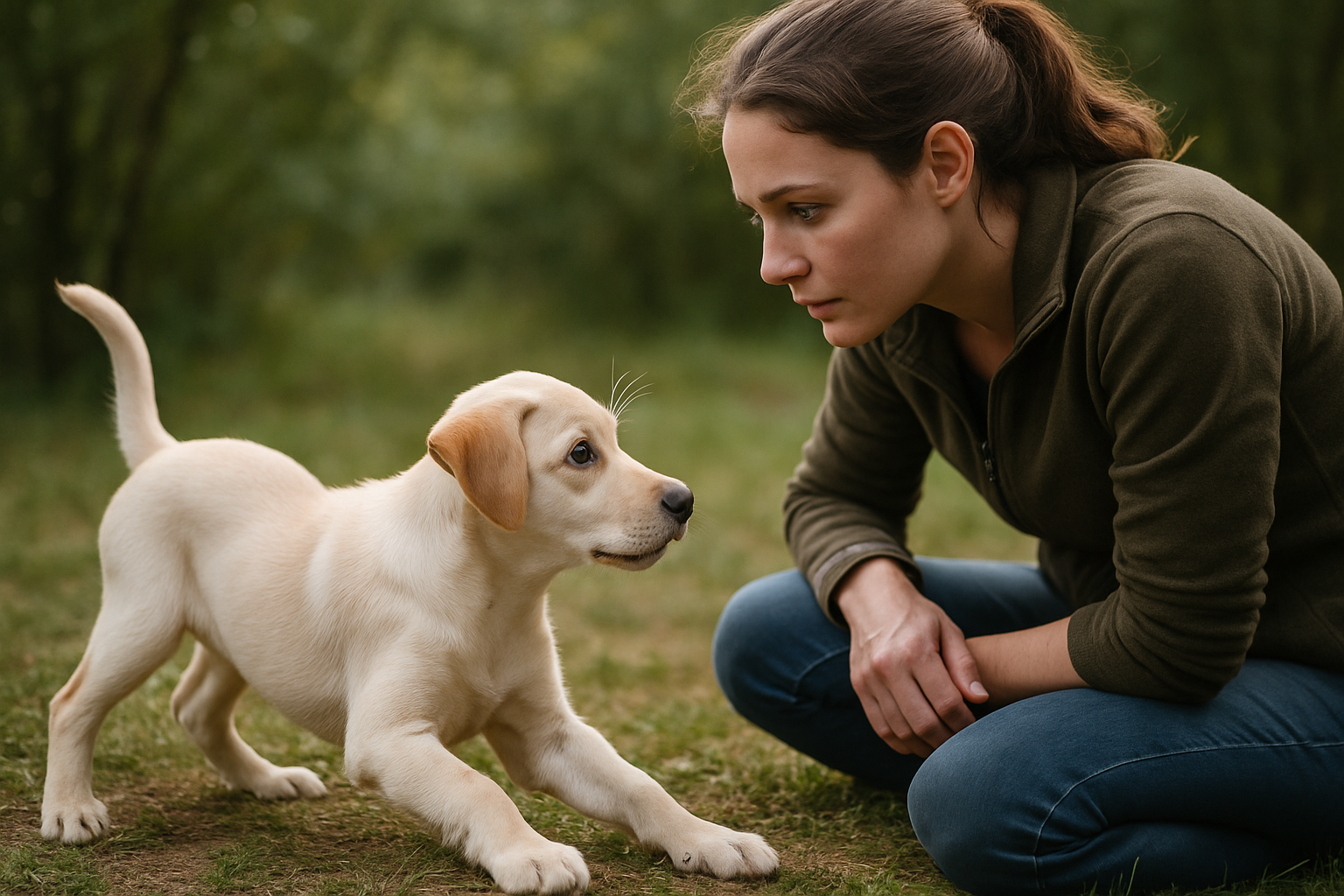
Why Puppy Body Language Matters More Than You Think
As a new puppy owner, you're probably spending your days trying to figure out what your furry friend needs. Is that whimper a sign of distress? Does that play-bow mean your pup wants to wrestle? Unlike humans, puppies can't simply tell us what they're feeling or what they need. Instead, they communicate through a sophisticated system of body signals that, when properly understood, reveal everything happening inside their minds. [3]
Recognizing these signals isn't just about building a deeper connection with your puppy—it's about their safety and development. Misinterpreting body language can lead to missed training opportunities, ineffective socialization, and potentially dangerous situations. When you understand what your puppy is trying to communicate, you can respond appropriately, helping them feel secure and confident as they explore the world. [3]
Think of puppy body language as a universal vocabulary that all dogs speak. The more fluent you become in this language, the better equipped you'll be to guide your puppy through new experiences, manage their emotions, and prevent behavioral problems before they start.
The Complete Picture: Why Context Matters
One of the most important lessons about reading puppy body language is that no single signal tells the whole story. A raised tail might indicate confidence in one moment and anxiety in another. Wide eyes could signal excitement or fear. This is why successful puppy parents learn to observe their dog's entire body and overall demeanor rather than fixating on individual signals. [3]
Think of puppy communication like reading a sentence rather than individual words. Each body part contributes to the overall message. The tail, ears, eyes, mouth, posture, and even fur all work together to create a complete picture of your puppy's emotional state. By developing the habit of taking in the whole scene, you'll become remarkably accurate at interpreting what your puppy needs.
The Eyes: Windows Into Your Puppy's Emotional World
Your puppy's eyes communicate volumes about their current emotional state. Learning to read these subtle signals can help you intervene before situations escalate.
- Soft, Relaxed Eyes: When your puppy has droopy, low eyelids or offers slow blinks, they're telling you they feel happy and content. You'll often notice this expression during petting sessions or belly rubs—it's their way of saying "this feels great." [3]
- Wide-Open Eyes ("Whale Eyes"): If you suddenly see the whites of your puppy's eyes, they're signaling that something has made them alert and uncertain. This is a clear indication your pup needs some space and reassurance. [3]
- Averted Gaze: When your puppy looks away from you or another dog, they may be expressing anxiety about the current situation. Alternatively, this can indicate submission and softness. Combine this signal with other body language cues to determine which is happening. [3]
- Dilated Pupils and Direct Staring: Intensely focused pupils and prolonged eye contact can mean your puppy is overstimulated, overwhelmed, or overly aroused. However, this same signal can also precede a playful pounce. The key is observing whether your puppy's hackles are raised or their chest is puffed out—if so, give them space. [3]
A practical tip: Train yourself to notice your puppy's baseline eye expression when they're calm and happy. This becomes your reference point for spotting changes that signal discomfort or stress.
Tail Talk: Decoding the Most Expressive Signal
The tail is perhaps your most reliable communication tool for understanding your puppy. However, many owners make the mistake of assuming any wagging tail means a happy puppy. In reality, a wagging tail simply indicates emotional arousal—which could be positive or negative. [4]
To interpret your puppy's tail language accurately, consider three factors:
- Speed of the Wag: Slow, wide, side-to-side sweeps that move your puppy's entire body indicate a relaxed, genuinely happy dog. These are the tail wags you see when greeting a beloved person. Faster, twitchy wags suggest higher arousal levels and may indicate frustration or alertness rather than joy. [4]
- Direction of the Wag: Research shows that puppies tend to wag their tails more to the right when experiencing positive emotions about something they like, such as interacting with their owner. Conversely, tails wagged more to the left indicate the puppy is processing something negative or uncertain. [4]
- Tail Position: The height of your puppy's tail relative to their body reveals their confidence level. A high, flag-like tail suggests assertiveness or even aggression. A tucked tail between the legs indicates fear and stress. A relaxed, neutral position (which varies by breed) shows your puppy feels secure. [4]
- The Helicopter Wag: When your puppy's tail spins in a complete circle, there's no ambiguity—this is unquestionably a happy signal. You'll see this during enthusiastic greetings with people your puppy loves. [4]
Important note: Some breeds naturally carry their tails differently. Chow Chows have tails that curl over their backs, while Italian Greyhounds have very low tail positions. Familiarize yourself with your specific breed's neutral tail position so you can accurately spot emotional changes. [5]
Ears: The Antenna of Emotion
Whether your puppy has floppy ears, pointed ears, or anything in between, their ear position communicates important information about their emotional state. [3]
- Forward and Alert: Ears standing up and facing forward indicate your puppy is alert, interested, or paying close attention to something. This is often paired with focused eyes and a raised tail.
- Pinned Back: Ears pulled back against the head can signal nervousness or uncertainty, but here's where context becomes crucial. The same ear position paired with a relaxed body and wagging tail indicates your puppy is feeling relaxed and submissive. [3]
- Relaxed Position: Happy, content puppies often have ears in whatever position feels natural and unstressed for their breed. The key indicator is "relaxed," not the specific position itself. [5]
The challenge with ear signals is that breed characteristics can be deceiving. German Shepherds naturally have upright ears, so they can appear alert even when relaxed. Conversely, breeds with naturally folded ears might look sad when they're perfectly content. This reinforces why observing your puppy's complete body language is essential.
The Mouth: Reading Smiles, Yawns, and Tension
Your puppy's mouth offers surprisingly detailed information about their emotional state and stress level.
- Relaxed, Partially Open Mouth: When your puppy has a slightly open mouth with their tongue gently sticking out, they're communicating relaxation and happiness. You'll often see this during petting sessions or quiet bonding time. [3]
- Excited "Grin": Occasionally, puppies will open their mouths wider and show their teeth, but this is typically just over-excitement rather than aggression. This happy expression is usually accompanied by a wagging tail or wiggly bottom, making the playful intent clear. [3]
- Pulled-Back Lips and Showing Canines: When your puppy pulls their lips back, reveals their canines, and begins nipping—especially at other puppies—they're signaling over-arousal and need to be separated from the situation. This is a red flag that requires immediate intervention. [3]
- Yawning: Unlike humans who yawn when tired, dogs often yawn as a stress-relief mechanism or sign of appeasement. If your puppy yawns during a tense interaction, they may be trying to self-soothe. [4]
- Lip-Smacking: This behavior can indicate your puppy is using self-soothing techniques to manage stress or anticipation. Pay attention to when this occurs to identify potential stressors in your puppy's environment. [5]
Body Posture: What Position Reveals About Confidence
Your puppy's overall body position communicates their confidence level and intentions more clearly than you might realize. [4]
- Play Bow: When your puppy places their chest on the ground with their rump in the air, they're clearly communicating an invitation to play. This is one of the most easily recognizable signals and indicates a playful, positive emotional state. [4]
- Cowering or Hunched Posture: A puppy that appears low to the ground and hunched is expressing fear or stress. This posture makes them appear smaller, which sends the message "I mean no harm." If your puppy frequently assumes this position, they may need additional socialization or confidence-building work. [4]
- Belly Exposure: When a relaxed puppy rolls onto their back and exposes their belly, they're often soliciting belly rubs. However, this same posture can indicate significant stress and anxiety. A stressed puppy might even urinate slightly as an appeasement signal. The difference lies in the overall context—is your puppy relaxed or tense? [4]
- Weight Forward: A puppy leaning forward with their weight shifted toward something indicates interest and desire to get closer. Combined with other positive signals, this shows enthusiasm. Combined with raised hackles and a high tail, this posture can indicate offensive intentions. [4]
- Raised Hackles: When the hair along your puppy's back stands up (a condition called piloerection), it indicates arousal. This doesn't necessarily mean aggression—your puppy could be excited, stressed, or intensely interested in something. It's an involuntary response similar to human goosebumps. Always observe other body language cues to determine the type of arousal. [4]
Recognizing Stress and Discomfort Signals
Being able to identify when your puppy is uncomfortable or stressed is crucial for their wellbeing and safety. [5]
- Tucked tail or tail held low
- Ears pinned back against the head
- Yawning or lip-smacking in non-relaxed contexts
- Turning their body away from a perceived threat
- Shaking off (similar to shaking off water) to release tension
- Avoiding eye contact or looking away
- Stiff, tense body posture
- Excessive panting or drooling
When you notice these signals, your puppy is telling you they need space, reassurance, or removal from the stressful situation. Responding appropriately builds trust and prevents fear from escalating into behavioral problems. [5]
Socialization Success: Using Body Language to Monitor Playtime
During puppy playtime with other dogs, body language reading becomes your most valuable tool for ensuring positive interactions. [3]
Monitor these key indicators during play sessions:
- Play Breaks: Healthy play includes natural pauses where puppies step back from each other. If play becomes continuous and intense without breaks, it may be escalating beyond safe levels.
- Role Reversals: In balanced play, puppies take turns being the "chaser" and the "chased." If one puppy is always dominant, separate them and try again later.
- Submission Signals: If a submissive puppy yelps, crouches, or shows clear discomfort, immediately initiate a play break. Advocate for the more timid puppy by preventing them from being constantly picked on. [3]
- Escalation Prevention: Rather than reacting after problems occur, practice prevention by monitoring closely and separating puppies before play becomes too intense. This approach is far more beneficial for socialization than managing conflicts after they happen. [3]
Puppies that tend toward submissiveness need extra protection during group play. Pair them with gentle, well-socialized puppies rather than over-confident ones. This ensures positive socialization experiences that build confidence rather than fear.
Health Insights: When Body Language Signals Health Issues
Beyond emotional communication, your puppy's body language can also reveal health concerns. [5]
Watch for these potential red flags:
- Increased isolation or withdrawal from normal activities
- Lethargy or lack of interest in play and interaction
- Decreased appetite or changes in eating habits
- Reluctance to move or stiffness in gait
- Excessive lip-smacking or yawning in non-stress contexts
- Changes in normal body language patterns
If your normally active and happy puppy suddenly displays these behaviors, contact your veterinarian. Body language changes can indicate pain, illness, or other health concerns that require professional evaluation. [5]
Breed-Specific Considerations
While body language is universal among dogs, certain breeds have natural characteristics that can be misleading. [5]
- German Shepherds: Their naturally upright ears mean they often appear alert even when relaxed. When truly alert or threatened, their ears go higher and stiffer, with faster tail wags.
- Huskies and Malamutes: These breeds naturally carry curled-up tails even when relaxed. When alert or threatened, their tails go higher and stiffer.
- Pugs: With naturally large, wide-open eyes, pugs always appear somewhat surprised. "Whale eye" in a pug is indicated by even more prominent whites showing, signaling nervousness or threat perception.
Familiarize yourself with your breed's natural characteristics to avoid misinterpreting normal features as signs of stress or aggression.
Practical Steps to Improve Your Body Language Reading Skills
Becoming fluent in puppy body language takes practice. Here's how to accelerate your learning:
- Observe Daily: Spend 10-15 minutes each day simply watching your puppy interact with their environment, other dogs, and people. Take mental notes about patterns in their behavior.
- Create a Personal Reference Guide: Document your puppy's body language signals with photos or videos. This visual reference helps you recognize changes over time and serves as a reminder during training sessions.
- Compare Baseline to Stressed: Consciously note how your puppy looks when completely relaxed versus when mildly stressed. This creates clear mental reference points.
- Practice Prediction: Before your puppy reacts to something, predict their response based on their body language. Over time, your accuracy will improve dramatically.
- Seek Expert Feedback: Work with a professional dog trainer who can validate your interpretations and help you refine your skills.
- Study Other Dogs: Observe body language in dogs you encounter at parks, training classes, or on walks. The more examples you see, the faster you'll develop pattern recognition.
The Power of Communication: Building Your Puppy's Future
Understanding your puppy's body language isn't just about avoiding misunderstandings—it's about building a foundation of trust and security that will shape your entire relationship. When your puppy realizes you understand their signals and respond appropriately, they feel safer exploring the world. They're more confident during socialization, more responsive to training, and more emotionally balanced as they grow into adulthood.
Every tail wag, ear position, and facial expression is your puppy's attempt to connect with you. By learning to speak their language, you're not just becoming a better dog owner—you're honoring the unique way your puppy communicates and ensuring they feel truly understood.
Start today by observing your puppy with fresh eyes. Notice the subtle signals you might have missed before. With consistent practice and attention, you'll develop an intuitive understanding of your puppy's needs, emotions, and personality. This investment in communication will pay dividends throughout your puppy's life, creating a bond that goes far deeper than simple obedience or affection.