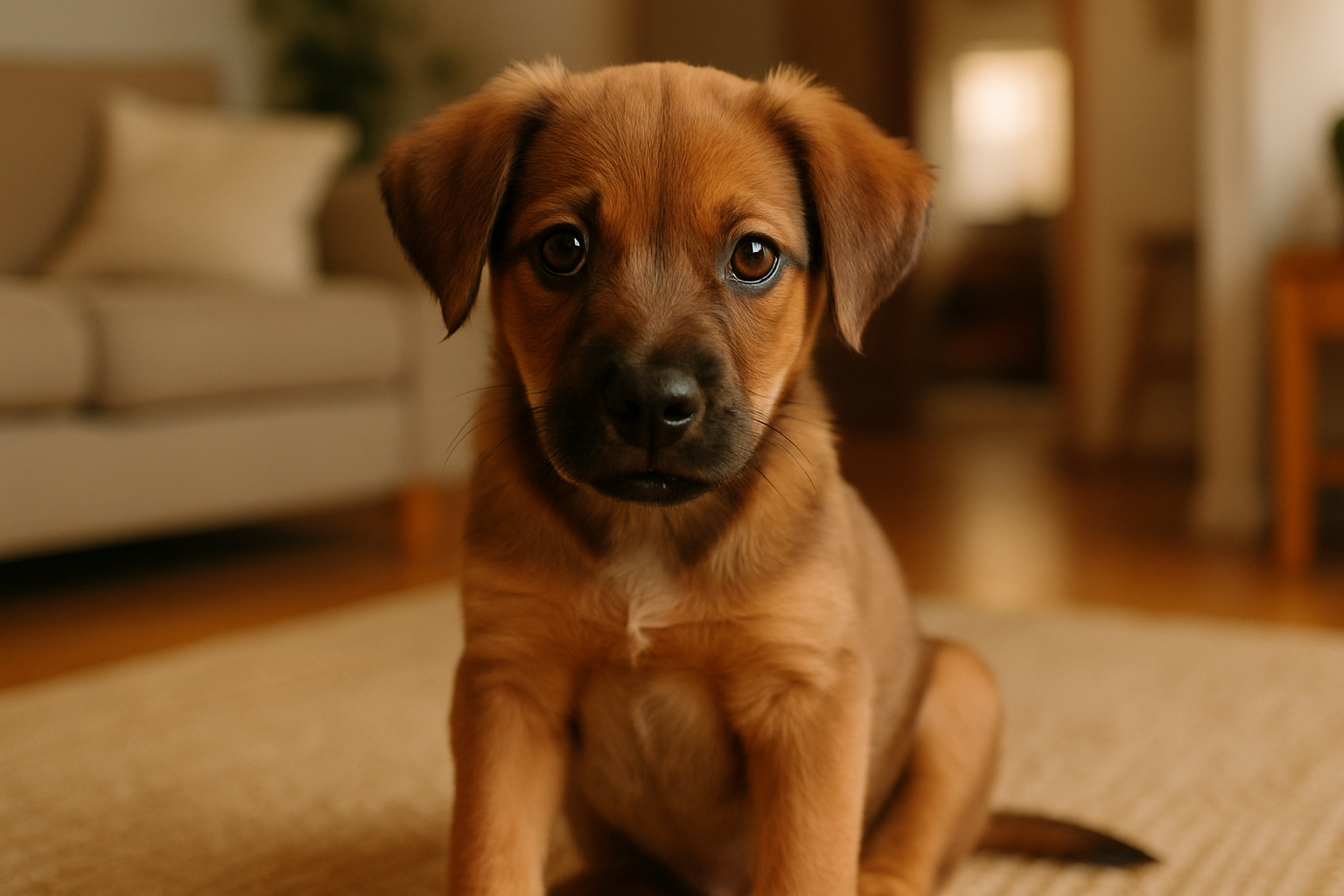
Why Puppy Body Language Matters
Imagine if your puppy could tell you exactly what they're feeling, what they need, and how their day went. While they can't speak our language, puppies are remarkably expressive communicators. The challenge isn't that they're silent—it's that we haven't learned to listen. [2] Your puppy uses their entire body as a communication tool, from the twitch of their tail to the position of their ears, constantly broadcasting their emotional state. Understanding these signals is foundational to effective training, proper socialization, and building a strong, trusting relationship with your furry companion.
Many new puppy owners miss critical communication cues, which can lead to misunderstandings, missed training opportunities, and even safety concerns. A puppy showing signs of stress during socialization might be pushed too hard, or a fearful puppy might be incorrectly labeled as aggressive. By becoming fluent in puppy body language, you'll be able to respond appropriately to your puppy's needs before small issues become big problems. [3]
The Holistic Approach to Reading Body Language
Before diving into individual signals, it's essential to understand a fundamental principle: never interpret a single body language cue in isolation. Think of reading your puppy's communication like solving a puzzle—you need to examine multiple pieces to see the complete picture. [2] A wagging tail might seem universally positive, but when paired with a stiff body, pinned-back ears, and whale eye, it tells a completely different story.
Always evaluate your puppy's entire body posture, facial expression, and the context of the situation. A relaxed puppy will have soft features throughout their entire body: loose muscles, natural ear position, and an easy gait. A stressed or overly aroused puppy will display tension across multiple body systems simultaneously.
The Eyes: Windows to Your Puppy's Emotions
Your puppy's eyes are remarkably expressive and often the first place to look when trying to understand their emotional state. [4]
Soft, Relaxed Eyes: When your puppy has droopy, low eyelids or gives you slow blinks, they're expressing contentment and relaxation. You'll often see this when they're receiving affection, enjoying pets, or settling down for a nap. These soft eyes paired with a relaxed mouth indicate genuine comfort. [3]
Wide Eyes and "Whale Eye": When you can see the whites of your puppy's eyes (technically called sclera), it signals alertness and uncertainty. Your puppy is saying, "I'm not sure about this situation and I need space." This is particularly important to recognize during introductions or new experiences. [3] Wide eyes often accompany raised eyebrows and indicate your puppy is processing something unfamiliar or potentially threatening.
Dilated Pupils and Direct Staring: Dilated pupils combined with a hard, unblinking stare can indicate overstimulation, over-arousal, or potential aggression. [3] However, context matters—the same intense eye contact might simply mean your puppy is about to pounce playfully on another dog or person. Look for accompanying signals like raised hackles or a stiff body posture to determine if this is excitement or a warning sign.
Averting Gaze: When your puppy looks away from you or another dog, they're typically signaling submission, anxiety, or an attempt to avoid conflict. This is often a healthy de-escalation signal and should be respected by giving your puppy space. [2]
Ears: Antennas of Emotion
Your puppy's ears are incredibly communicative, though some breeds make this easier to read than others. Floppy-eared breeds require closer observation than breeds with naturally upright ears, but the principles remain the same. [2]
Forward-Facing Ears: When your puppy's ears are pricked up and pointing forward, they're alert and interested in something. This confident posture typically accompanies an engaged, forward-leaning body position. Your puppy is saying, "I'm paying attention and I'm interested." [2]
Pinned-Back Ears: Ears flattened against the head can indicate several emotional states depending on the overall body language. If paired with a tucked tail, lowered body, and averted eyes, your puppy is fearful or anxious. However, pinned-back ears combined with a wagging tail, soft eyes, and relaxed body posture might simply indicate submission or contentment—your puppy is being polite and friendly. [3]
Neutral Ears: Ears in a natural, relaxed position indicate your puppy is calm and comfortable in their environment. This is the baseline from which you can recognize shifts in emotion.
The Mouth: More Than Just Barking
While vocalizations like barking and growling are important, your puppy's mouth position and expression convey significant information. [4]
Relaxed, Slightly Open Mouth: A partially open mouth with the tongue loosely hanging out signals relaxation and happiness. You'll see this during petting sessions, play, and when your puppy is simply enjoying your company. This is the "puppy smile" that makes us fall in love with them. [3]
Closed Mouth: A tightly closed mouth can indicate stress, anxiety, or tension. Your puppy is holding tension in their face, which often accompanies other stress signals like a tucked tail or crouched body. [5]
Teeth Showing: Context is crucial here. During play, puppies often show their teeth in what appears to be a happy grin, accompanied by a wagging tail and playful bouncing. This is normal play behavior. [3] However, if teeth are bared with a curled lip, a hard stare, and a stiff body, your puppy is displaying a warning—they're uncomfortable and potentially about to react defensively. [2]
Lip Licking and Yawning: These subtle signals often indicate stress or anxiety. Your puppy might lick their lips repeatedly or yawn excessively when nervous, similar to how humans might fidget. [4] Don't mistake a stress yawn for tiredness—observe the full context.
The Tail: A Flag of Emotions
The tail is perhaps the most famous canine body language signal, yet it's frequently misinterpreted. A wagging tail doesn't automatically mean a happy puppy—it simply indicates emotional arousal. [4] The key is understanding the nuances of tail position, speed, and direction.
Tail Height and Position: The higher your puppy's tail, the more confident or assertive they're feeling. A tail held like a flag indicates confidence and possibly dominance. Conversely, a tail tucked between the hind legs signals fear, anxiety, or submission. Your puppy is literally trying to hide by covering their scent glands. [2] A relaxed, neutral tail position—which varies by breed—indicates contentment.
Wag Speed and Direction: A slow, broad wag that moves your puppy's entire body is the classic happy greeting you see when you come home. This relaxed wag indicates genuine pleasure. [4] A fast, twitchy wag, often seen in guard dogs on alert, indicates higher arousal—which could be excitement or tension depending on other body language. [4]
Research has shown something fascinating: puppies tend to wag their tails more to the right when feeling positive emotions like joy or confidence, and more to the left when experiencing negative emotions like fear or anxiety. [4] While this subtle directional difference requires careful observation, it's another piece of the puzzle.
The Helicopter Tail: When your puppy's tail spins in a complete circle (the "helicopter wag"), there's no ambiguity—your puppy is genuinely happy and excited. You'll typically see this when greeting a beloved person or during enthusiastic play. [4]
Hackles and Body Posture: Reading Overall Tension
Your puppy's hackles are the fur running along their spine and shoulders. When raised (a phenomenon called piloerection), they make your puppy appear larger. Importantly, raised hackles indicate arousal but not necessarily aggression—your puppy might be excited, stressed, fearful, or defensive. [4] Look at the complete picture: excited puppies might have raised hackles during enthusiastic play, while fearful puppies might raise their hackles as a defensive response.
Forward-Leaning Posture: When your puppy's weight shifts forward, they're moving toward something—whether that's interest, confidence, or potentially offensive intent. A forward-leaning puppy combined with raised hackles, a high stiff tail, and direct staring is displaying confidence and possibly aggression. The same forward lean with loose muscles, soft eyes, and a wagging tail indicates friendly interest. [4]
Crouched or Cowering Posture: A puppy that hunches low to the ground with a tucked rear end is displaying fear or stress. They're trying to make themselves small and non-threatening. In extreme cases, your puppy might roll onto their back and expose their belly—which can look like they want a belly rub but actually signals considerable anxiety or submission. [4]
Play Bow: One of the clearest and most joyful signals is the play bow. Your puppy stretches their front legs forward with their chest lowered to the ground while their rear end stays elevated and wagging. This posture is an invitation to play and indicates your puppy is feeling confident, happy, and social. [4]
Common Emotional States and Their Body Language Signatures
Contentment: A content puppy displays relaxed facial features, soft eyes, a loose body posture, neutral ear position, and a tail wagging at mid-height. Their entire body appears soft and comfortable. [5]
Playfulness: Playful puppies perform play bows, jump, bark excitedly, and engage in gentle mouthing or nipping. Their entire body seems to vibrate with energy, and their tail wags enthusiastically. [5]
Fear or Anxiety: Anxious puppies display tense facial features, pinned-back ears, a tightly closed or trembling mouth, a tucked or low tail, and a crouched body posture. They might also display trembling, panting, or avoidance behaviors. [5]
Aggression or Defensiveness: An aggressive puppy displays growling, snarling, bared teeth, a stiff body posture, raised hackles, and a high, stiff tail. Their eyes are hard and direct, and their body leans forward. This is a serious signal requiring immediate space and professional help. [5]
Submission: A submissive puppy shows pinned-back ears, a tucked tail, a lowered or crouched body posture, averted eyes, and might roll over to expose their belly or lift a paw. [5]
Practical Tips for Reading Your Puppy's Body Language
- Observe in Different Contexts: Spend time watching your puppy in various situations—at home, during training, during socialization, and during play. Notice how their body language shifts in different environments and with different people. [5]
- Learn Your Puppy's Baseline: Every puppy has unique traits. Some breeds have naturally high tails, while others have naturally low tails. Understand your individual puppy's normal, relaxed state so you can recognize when they're stressed or excited. [4]
- Watch for Patterns: Does your puppy consistently show whale eye when meeting new people? Do they play bow before every play session? Recognizing patterns helps you predict and respond proactively. [5]
- Respect the Signals: If your puppy is showing signs of stress—pinned ears, tucked tail, averted gaze—give them space. Don't force interactions. Respect their communication and they'll trust you more. [5]
- Intervene Before Escalation: Prevention is more effective than reaction. If you notice your puppy becoming overly aroused during play with other puppies, separate them before a conflict occurs. [3]
- Combine Signals with Vocalizations: Your puppy's barks, whines, and growls provide additional context. A high-pitched bark with a play bow means something different than a low growl with a stiff body. [5]
Common Misinterpretations to Avoid
A wagging tail doesn't always mean happiness—it means emotional arousal. A puppy showing whale eye might be fearful, not just alert. Pinned-back ears combined with a wagging tail might indicate friendly submission, not fear. A yawn might signal stress, not tiredness. The most common mistake is isolating one signal and drawing conclusions without observing the complete picture. [2]
Another frequent error is anthropomorphizing—interpreting dog signals through a human lens. When a puppy averts their gaze, they're not being rude or guilty; they're being polite and respectful. When they roll on their back, they're not necessarily asking for a belly rub; they might be signaling submission or anxiety. [4]
Building a Stronger Bond Through Communication
Learning to read your puppy's body language isn't just about preventing problems—it's about deepening your relationship. When you respond appropriately to your puppy's signals, you're demonstrating that you understand them and respect their feelings. This builds trust and confidence. [5]
Use your growing fluency in puppy communication to:
- Identify when your puppy needs space versus when they're seeking interaction
- Recognize stress signals early and adjust the situation before your puppy becomes overwhelmed
- Praise and reward confident behavior while gently building courage in anxious puppies
- Facilitate better socialization by understanding your puppy's comfort levels
- Respond to training with appropriate encouragement and breaks
When to Seek Professional Help
While understanding basic body language is valuable, some situations require professional guidance. If your puppy consistently displays aggressive signals, shows extreme fear, or you're unsure about their behavior, consult a certified professional dog trainer or veterinary behaviorist. They can provide personalized guidance and help address underlying issues. [5]
Key Takeaways
Your puppy is constantly communicating—they're just doing it without words. By learning to observe their eyes, ears, mouth, tail, and overall body posture, you'll unlock a deeper understanding of their emotional world. Remember to always look at the complete picture rather than isolated signals. Respect what your puppy is telling you, intervene before problems escalate, and use this knowledge to build a stronger, more trusting relationship. With consistent observation and practice, you'll become fluent in puppy body language and able to respond to your companion's needs with confidence and compassion.
Sources & References
- https://zigzag.dog/en-us/blog/puppy-behavior/understanding-your-puppy/understanding-puppy-body-language/
- https://www.thepuppyacademy.com/blog/2020/3/2/know-your-puppys-body-language
- https://www.akc.org/expert-advice/training/how-to-read-dog-body-language/
- https://www.animalcareclinicjc.com/news/2023/6/21/understanding-your-dogs-body-language-a-comprehensive-guide