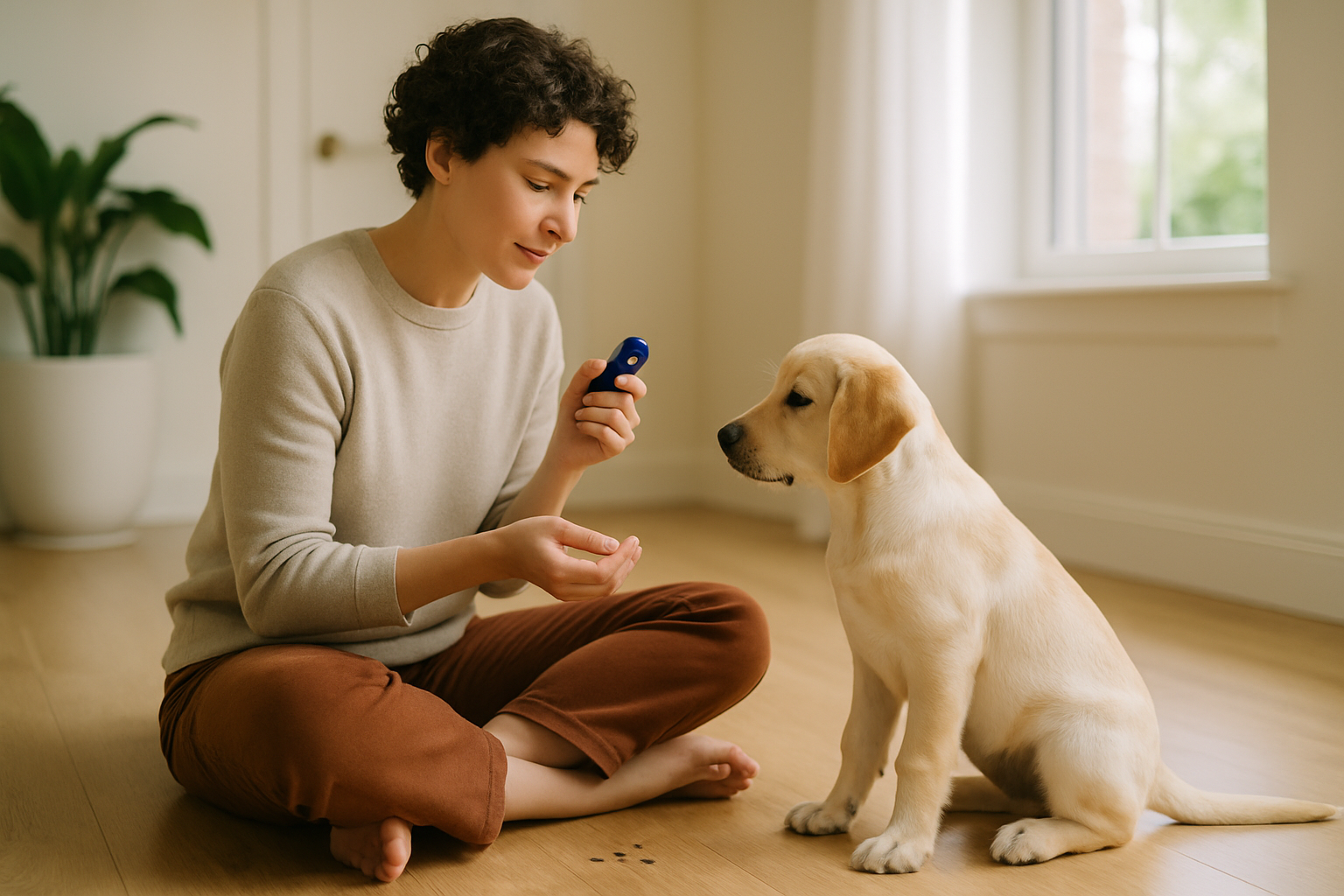
Why Teaching Your Puppy to Sit Matters
When you bring a new puppy home, one of your first instincts is probably to teach them basic manners. The "sit" command isn't just about having an adorable trick to show off to friends and family. It's a cornerstone of good behavior that keeps your puppy safe, prevents jumping on guests, and establishes you as a confident leader in your household. [3]
Think about it: a sitting puppy can't simultaneously jump on your grandma, chase the neighbor's cat, or dart into traffic. The sit command becomes a powerful safety tool, especially if your puppy ever escapes your yard or home. Beyond safety, mastering sit creates the foundation for every other command you'll teach—stay, down, shake, and more. [3] It's the building block that makes advanced training possible.
The best part? You can start teaching sit as early as 8 weeks old, and puppies are remarkably quick learners when you use the right approach. [3]
Preparing for Success: Before You Begin
Before you jump into training, set yourself and your puppy up for success. This preparation phase is just as important as the actual training steps.
Gather Your Supplies
- High-value treats: Choose small, soft treats your puppy absolutely loves. These should be more exciting than regular kibble. Think chicken, cheese, or commercial training treats designed for quick consumption.
- A leash and collar: While not always necessary, a leash helps keep your puppy close during early training sessions.
- A clicker (optional but recommended): A clicker marks the exact moment your puppy performs the desired behavior, creating a clear connection between the action and the reward. [4]
- A quiet training space: Choose a location with minimal distractions—your kitchen, a quiet room, or a calm outdoor space. [2]
Understand Your Puppy's Learning Style
Puppies have short attention spans and learn best through frequent, brief sessions rather than marathon training marathons. [1] Plan for training sessions of 10-15 minutes maximum, ideally conducted 2-3 times daily. This approach keeps your puppy engaged and prevents frustration for both of you.
Also, timing matters. Train when your puppy is relaxed and has recently had a bathroom break, but before they're too tired or hungry. A puppy that's bursting with energy or completely exhausted won't focus on learning. [2]
The Complete Step-by-Step Training Process
Now let's walk through the actual training process. This method combines proven techniques used by professional trainers and the American Kennel Club. [4]
Step 1: Capture Your Puppy's Attention
Before you can teach anything, you need your puppy's focus. Start by calling your puppy's name to get their attention. Once they're looking at you, you're ready to proceed. [5]
Here's a pro tip: Use a lure to establish eye contact. Hold a treat near your puppy's nose, then slowly bring it up to your eyes. This draws their gaze upward and creates the eye contact necessary for effective communication. [5]
Step 2: Present the Lure
Hold a treat in your hand and let your puppy sniff it. Don't give it away yet—this builds anticipation and keeps them interested in what you're about to ask them to do. The treat is your communication tool, not a bribe. [3]
Step 3: Guide Them Into Position
This is where the magic happens. Place the treat close to your puppy's nose, then slowly move your hand upward and slightly back toward their tail. As your puppy's head follows the treat, their rear end will naturally lower toward the ground. This is the key to the sit command—you're using the treat to guide their body into the correct position, not forcing them down. [3]
Important: Never push down on your puppy's hindquarters. This can be confusing and intimidating, and it doesn't teach them to understand the command. [4] Let their natural instinct to follow the treat do the work.
Step 4: Mark the Behavior
The moment your puppy's rear touches the ground, immediately say "Good!" or click your clicker if you're using one. This marker word tells your puppy that they've done exactly what you wanted. Timing is critical here—the mark should happen within a fraction of a second of the behavior. [5]
Step 5: Reward Immediately
Right after marking the behavior, give your puppy the treat and enthusiastic praise. Use a bright, happy voice: "Good sit! Yes!" The combination of treat, praise, and physical affection (petting) creates a powerful positive association with the sit command. [3]
Critical timing note: Make sure your puppy is still sitting when you give the reward. If you wait too long or accidentally lure them back into a standing position while searching for a treat, you'll inadvertently teach them to pop up out of the sit immediately. [4]
Step 6: Release Your Puppy
After the reward, say "Break!" or "Release!" to let your puppy know the exercise is over. This teaches them that sit has a beginning and an end, which is especially important as you work toward longer sits later. [5]
Step 7: Repeat and Build Consistency
Walk a few feet away and reset. Call your puppy to you (or use a treat to lure them back), and repeat the entire sequence. Start with 5-10 repetitions per session. Each successful repetition strengthens the neural pathway between the word "sit" and the action. [3]
Transitioning From Lure to Command
Once your puppy reliably follows the treat lure and sits, it's time to fade out the lure and teach them to respond to the verbal command alone. This is a gradual process that typically takes 1-2 weeks of consistent practice.
Phase 1: Hand Signal Without Food Lure
Raise your empty hand above your puppy's nose (mimicking the previous lure motion), give the verbal command "Sit," and reward from your other hand. Your puppy will eventually understand that the hand signal means sit, even without the treat visible. [3]
Phase 2: Verbal Command Primary
As your puppy progresses, say "Sit" before raising your hand. Gradually reduce the emphasis on the hand signal. Eventually, your puppy will respond to the verbal command alone. [3]
Phase 3: Reduce Treat Frequency
Once your puppy reliably sits on command, start varying your rewards. Sometimes give a treat, sometimes just praise and petting. This prevents your puppy from becoming dependent on food rewards and teaches them that compliance is always rewarded—just not always with treats. [1]
Troubleshooting Common Challenges
Not every puppy learns at the same pace, and some may present specific challenges. Here's how to address the most common issues:
Your Puppy Won't Sit
If your puppy isn't naturally sitting when you lure upward, try these adjustments:
- Stand closer to your puppy. Sometimes distance prevents them from following the lure effectively.
- Use a more enticing treat. If your current treat isn't motivating enough, upgrade to something more valuable.
- Lure from a down position. If your puppy is lying down, slowly raise the treat until they lift their chest and eventually move into a sit. Reward each small movement toward the goal. [4]
- Capture sits naturally. Watch for moments when your puppy sits on their own (which they do naturally many times daily), immediately mark and reward it. Over time, they'll start offering sits intentionally. [4]
Your Puppy Pops Up Immediately
If your puppy sits for only a split second before standing again, you're likely timing your reward incorrectly. Make sure your puppy is still seated when they receive the treat. Also, avoid luring them back to standing while searching for a reward. [4]
Your Puppy Seems Uninterested
Puppies have short attention spans and can lose interest quickly. Keep sessions brief (10-15 minutes maximum), train when your puppy is alert and moderately hungry, and use higher-value rewards. If your puppy is distracted, move to a quieter environment. [2]
Building on the Foundation: What Comes Next
Once your puppy has mastered sit, you have a powerful tool for teaching additional commands. The techniques you've learned apply directly to stay, down, come, and other obedience behaviors. [3]
Consider teaching "stay" next, which naturally follows sit. You can also introduce fun tricks like "sit pretty" (sitting on their haunches with front paws in the air) to keep training engaging and fun. [4]
Key Training Principles to Remember
Successful puppy training relies on several fundamental principles that apply to every command:
- Patience and consistency: Every puppy learns at their own pace. Stick with your training plan even if progress seems slow. [2]
- Positive reinforcement only: Avoid punishment-based training methods. They create fear and anxiety rather than understanding. Your goal is to make your puppy want to comply, not fear the consequences of non-compliance. [2]
- Short, frequent sessions: Multiple brief training sessions are far more effective than one long session. [1]
- Clear communication: Use simple, one-word commands. Avoid confusing your puppy with multiple words or unclear signals. [5]
- Reward the behavior, not the dog: Reward the action of sitting, not your puppy's overall good nature. This creates a clear cause-and-effect relationship. [5]
The Bigger Picture: Training Strengthens Your Bond
Beyond teaching obedience, the training process itself strengthens the bond between you and your puppy. Each training session is a conversation where you're learning to communicate clearly with each other. Your puppy learns to trust your leadership, and you develop patience and understanding of how your puppy thinks. [3]
Remember, the goal isn't perfection or speed—it's building a happy, well-adjusted companion who understands what you're asking and wants to comply because good things happen when they do.
Your Training Timeline
Here's what you can typically expect:
- Week 1-2: Puppy begins understanding the lure and naturally sits to follow the treat. Start adding the verbal command.
- Week 2-3: Puppy consistently sits when lured. Begin fading the lure and emphasizing the verbal command.
- Week 3-4: Puppy reliably sits on verbal command in your training location.
- Week 4+: Practice in different environments and situations. This generalization takes longer than initial training but is essential for a truly reliable sit command.
Final Thoughts
Teaching your puppy to sit is an achievable goal that yields tremendous benefits. You don't need to be an experienced dog trainer to succeed—just patience, consistency, and the right techniques. Start today, keep sessions short and fun, and celebrate every small success. Before you know it, you'll have a puppy that sits reliably on command, and you'll have the confidence to teach them so much more.
Sources & References
- https://www.upstatecanine.com/blog/how-to-train-a-puppy/
- https://narellanvet.com.au/2024/02/16/sit-and-stay-training-guid/
- https://www.halocollar.com/blog/dog-training/the-importance-of-teaching-your-dog-to-sit-and-how-to-do-it/
- https://www.akc.org/expert-advice/training/how-to-teach-your-dog-to-sit/
- https://www.thepuppyacademy.com/blog/2021/2/1/puppy-training-101-giving-your-puppy-commands-the-right-way