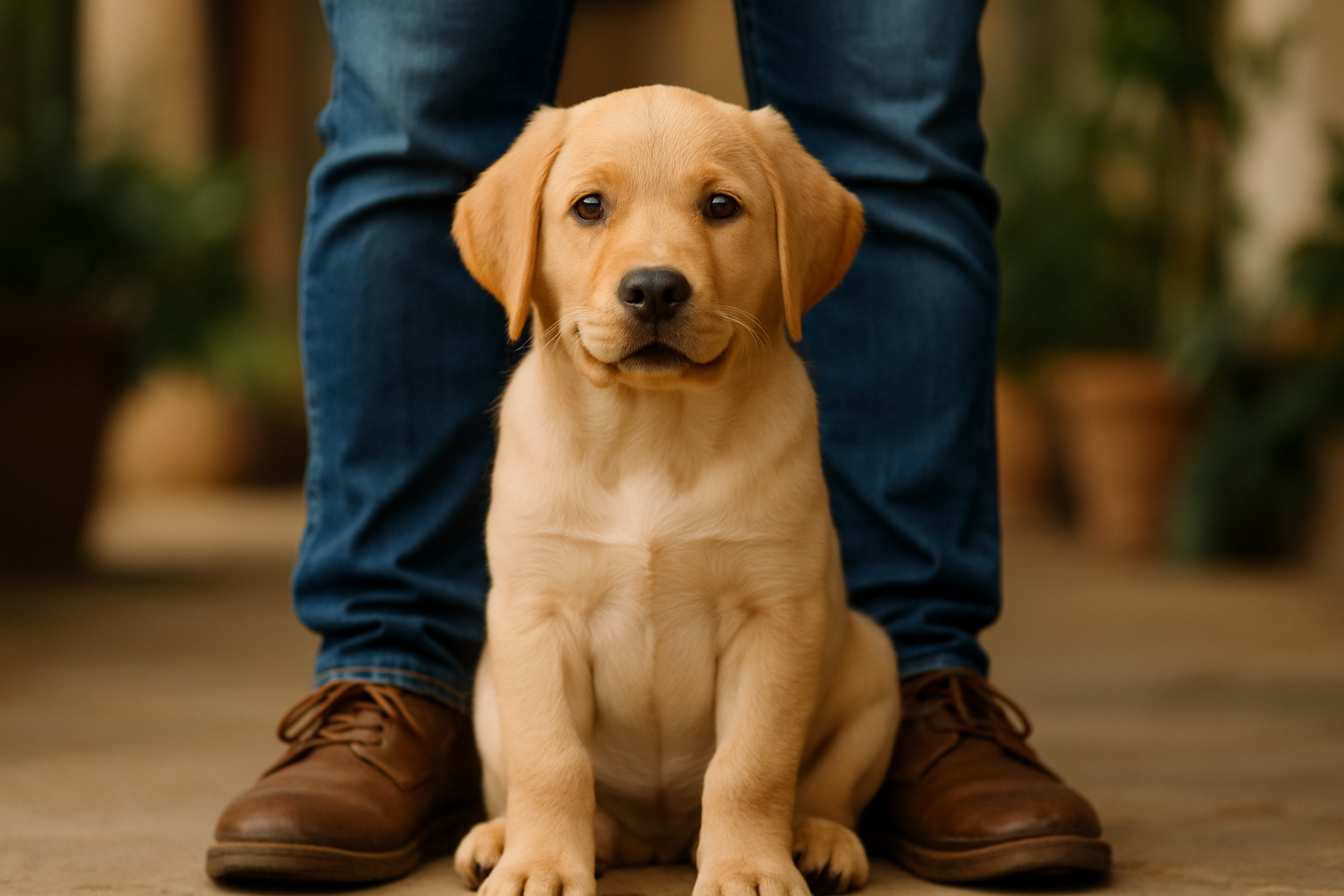
Why Teaching Your Puppy to Sit Matters
If you're bringing home a new puppy, you're probably wondering where to start with training. The answer is simple: teach them to sit. This single command serves as the building block for your puppy's entire training journey and offers practical benefits that extend far beyond obedience. [2]
When your puppy masters the sit command, you gain the ability to manage their impulses in critical moments. Imagine having guests over and your puppy remains calmly seated instead of jumping on everyone. Picture yourself walking your puppy near a busy street and being able to command them to sit and wait safely on the curb. These real-world scenarios demonstrate why the sit command isn't just a cute trick—it's a safety essential. [2]
Beyond safety, teaching sit establishes you as a confident leader in your puppy's eyes. Puppies are naturally inclined to look to their owners for guidance, and successfully teaching commands strengthens the bond between you and your furry companion. The training process itself becomes quality time that builds trust and communication. [3]
When to Start Teaching Sit
You can begin teaching your puppy to sit as early as 8 weeks old. At this age, puppies are like little sponges, eager to absorb information and learn from their environment. Their brains are developing rapidly, making it an ideal time to introduce foundational commands. [2]
However, starting early doesn't mean marathon training sessions. Puppies have notoriously short attention spans, so keep initial training sessions to just 5-10 minutes, repeated several times throughout the day. This approach prevents overwhelming your puppy while maximizing their learning potential. [1]
The good news? You can teach the sit command at any age. Whether you have an 8-week-old puppy or an adult dog, the fundamental training principles remain the same. Consistency, patience, and positive reinforcement work wonders regardless of your dog's age. [5]
Essential Supplies for Training Success
Before you begin, gather a few simple items that will make training more effective:
- High-Value Treats: Choose small, soft treats your puppy absolutely loves. These should be more enticing than their regular kibble—think tiny pieces of chicken, cheese, or commercial training treats. The more excited your puppy gets about the reward, the more motivated they'll be to learn. [2]
- A Clicker (Optional but Recommended): A clicker is a small device that makes a distinct clicking sound. It marks the exact moment your puppy performs the desired behavior, creating a clear connection between their action and the reward. This precision helps puppies learn faster. [4]
- A Quiet Training Space: Choose a calm, distraction-free area for initial training sessions. Your living room, a quiet backyard, or a small training area works perfectly. Once your puppy masters sit in this controlled environment, you can practice in busier settings. [4]
- A Leash (Optional): For some puppies, a lightweight leash keeps them close and prevents them from wandering during training sessions. This is particularly helpful if your puppy is easily distracted. [2]
The Step-by-Step Training Process
Step 1: Capture Your Puppy's Attention
Before you can teach any command, you need your puppy's full attention. Start by calling your puppy's name in a happy, enthusiastic tone. Once they look at you, you're ready to begin. [3]
If your puppy seems distracted or uninterested, try using the treat to capture their focus. Hold it near their nose and let them sniff it. This simple action communicates that something exciting is about to happen.
Step 2: Establish Eye Contact
With your puppy's attention captured, the next step is establishing eye contact. Hold the treat up to their nose, then slowly bring it toward your eyes. Your puppy will naturally follow the treat with their gaze, creating eye contact with you. This eye contact is crucial because it demonstrates that your puppy is fully focused and ready to learn. [3]
Step 3: Lure Into Position
This is where the magic happens. With your puppy's eyes on the treat, slowly move it upward and slightly backward over their head—aim for about 3 inches above their head. [2] As your puppy follows the treat with their nose, their body naturally shifts into a sitting position. Their head goes up, and their rear end goes down. This isn't a trick or magic; it's simple physics and natural body mechanics.
If your puppy doesn't sit immediately, try standing closer or positioning yourself slightly above them so they have to look up higher. Sometimes a small adjustment in your positioning makes all the difference. [2]
Important: Never push down on your puppy's rear end to force them into a sitting position. This can be confusing and intimidating, potentially creating negative associations with the command. Let their body naturally follow the treat into position. [4]
Step 4: Mark the Behavior
The moment your puppy's bottom touches the ground, immediately mark this success. If you're using a clicker, click it right away. If you're not using a clicker, say an enthusiastic marker word like "Good!" or "Yes!" in a bright, friendly voice. [3] This marker serves as a snapshot in time, telling your puppy exactly which behavior earned them the reward.
Step 5: Reward Immediately
Within one second of the marker, give your puppy the treat and offer verbal praise. Say things like "Good sit!" so your puppy continues hearing the word "sit" in association with the action. Pair the treat with physical affection—a gentle pat, a scratch behind the ears, or a gentle rub. This combination of rewards reinforces that sitting is the best decision they could make. [2]
Critical Timing Note: Present the treat while your puppy is still sitting. If you wait until they've stood up or if you accidentally lure them back into a standing position while searching for a treat, you'll inadvertently teach them to pop out of the sit immediately. [4]
Step 6: Release and Reset
After rewarding, use a release word like "Break!" or "Free!" to let your puppy know the training repetition is complete. This teaches them that the sit command has an end point. Then move a few feet away, call your puppy back to you, and repeat the entire process. [3]
Building Repetition and Consistency
Complete 10-15 repetitions of this sequence in each training session. Count out your treats beforehand so you can track your progress and ensure you're completing enough repetitions without going overboard. [5]
Consistency is absolutely critical. If you practice sit three times one day and then skip training for a week, your puppy's progress will plateau. Instead, aim for multiple short sessions throughout the day. A 5-minute session in the morning, another at lunch, and one in the evening is far more effective than a single 20-minute marathon session. [1]
As your puppy becomes more reliable with the sit command, gradually reduce the frequency of treat rewards while maintaining verbal praise and physical affection. Eventually, your puppy will sit on command even without the promise of a treat, though occasional rewards keep the behavior strong. [1]
Transitioning From Lure to Verbal Cue
Once your puppy consistently sits when you lure them with a treat, it's time to fade the lure and teach them to respond to your verbal cue alone. This is an exciting milestone in their training journey.
On your next training session, raise your empty hand above your puppy's nose in the same motion you used with the treat. Your puppy should sit in response to this hand signal. The moment they do, immediately reward them with a treat from your other hand. [2] This teaches them that the hand signal (not the treat in your hand) is the cue for sitting.
After several successful repetitions with the hand signal, add the verbal cue "Sit" as you make the hand gesture. Say the word clearly and confidently. With continued practice, your puppy will learn to respond to the verbal cue alone, though the hand signal can remain as a helpful reinforcer. [2]
Common Training Mistakes to Avoid
Using Too Many Words: Puppies don't understand language nuances the way humans do. Saying "Okay buddy, I want you to sit down now" confuses them. Instead, use a single, clear word: "Sit." Consistency in your language helps your puppy make the connection between the word and the action. [3]
Inconsistent Timing: If you sometimes reward your puppy for sitting and sometimes don't, they'll become confused about whether the behavior is worthwhile. Every successful sit should result in a reward during the learning phase. [4]
Training When Your Puppy is Overstimulated: If your puppy just played intensely or is overexcited, they won't have the mental capacity to learn. Train when they're calm and focused. [4]
Skipping the Attention-Building Steps: Some people try to jump straight to the sit command without first capturing attention and establishing eye contact. These foundational steps are essential for success. [3]
Pushing on Your Puppy's Rear: While it might seem like a shortcut, physically pushing your puppy into a sit can create confusion and negative associations. Always let them learn through following the lure. [4]
Troubleshooting Common Challenges
My Puppy Won't Follow the Treat
If your puppy shows no interest in the treat, you may not have selected a high-value reward. Try different options—some puppies go crazy for chicken, others prefer cheese or specialized training treats. You might also try training when your puppy is slightly hungry (before a meal) rather than right after eating.
My Puppy Sits But Immediately Pops Back Up
This is one of the most common challenges. The issue usually stems from presenting the reward after your puppy has already stood up, or accidentally luring them back to standing while retrieving the treat. Practice presenting the reward while they're still sitting. You can also practice extremely short sits initially—even a half-second sit deserves a reward—and gradually extend the duration as they improve. [4]
My Puppy Jumps for the Treat Instead of Sitting
If your puppy is jumping rather than sitting, you may be holding the treat too high or moving it too quickly. Hold it closer to their nose and move it more slowly. The treat should be just barely out of reach—enticing but achievable. [2]
My Puppy Sits But Won't Stay Seated
Young puppies have limited impulse control, and holding a sit for extended periods is challenging. During the learning phase, focus on the behavior itself rather than duration. Reward them for sitting even if it's just for a second. Once they're solid with the command, you can gradually work on the "stay" command, which is a separate skill. [3]
Expanding Beyond the Sit Command
Once your puppy reliably sits on command, you've created a foundation for teaching additional commands. The same principles—attention, eye contact, clear cues, immediate rewards—apply to teaching stay, come, down, and other behaviors. [2]
Additionally, the sit command naturally leads to fun tricks like shake, play dead, or sit pretty. The training skills you've developed will transfer to all future learning experiences with your puppy.
Making Training Fun and Building Your Bond
Remember that training sessions are more than just teaching commands—they're opportunities to build a stronger relationship with your puppy. Keep sessions short, enthusiastic, and positive. If either you or your puppy is frustrated, take a break and try again later. [5]
Celebrate small victories. Did your puppy sit for the first time? That's worth genuine enthusiasm and extra treats. This positive energy creates a puppy that actually looks forward to training time with you, transforming obedience into a game you both enjoy playing together.
Key Takeaways for Teaching Sit
- Start teaching sit as early as 8 weeks old, but remember you can teach dogs at any age [2]
- Keep training sessions short (5-10 minutes) and frequent throughout the day [1]
- Use high-value treats that genuinely excite your puppy [2]
- Follow the sequence: Attention → Eye Contact → Lure → Mark → Reward → Release [3]
- Never push your puppy's rear end down; let them follow the treat naturally [4]
- Reward while your puppy is still sitting, not after they've stood up [4]
- Transition from lure to hand signal to verbal cue gradually [2]
- Consistency is more important than intensity—multiple short sessions beat one long session [1]
- Celebrate successes and keep training fun and positive [5]
- Once sit is solid, use the same principles to teach additional commands [2]
Sources & References
- https://www.upstatecanine.com/blog/how-to-train-a-puppy/
- https://www.halocollar.com/blog/dog-training/the-importance-of-teaching-your-dog-to-sit-and-how-to-do-it/
- https://www.thepuppyacademy.com/blog/2021/2/1/puppy-training-101-giving-your-puppy-commands-the-right-way
- https://www.akc.org/expert-advice/training/how-to-teach-your-dog-to-sit/
- https://www.chewy.com/education/dog/training-and-behavior/basic-dog-training-commands-sit