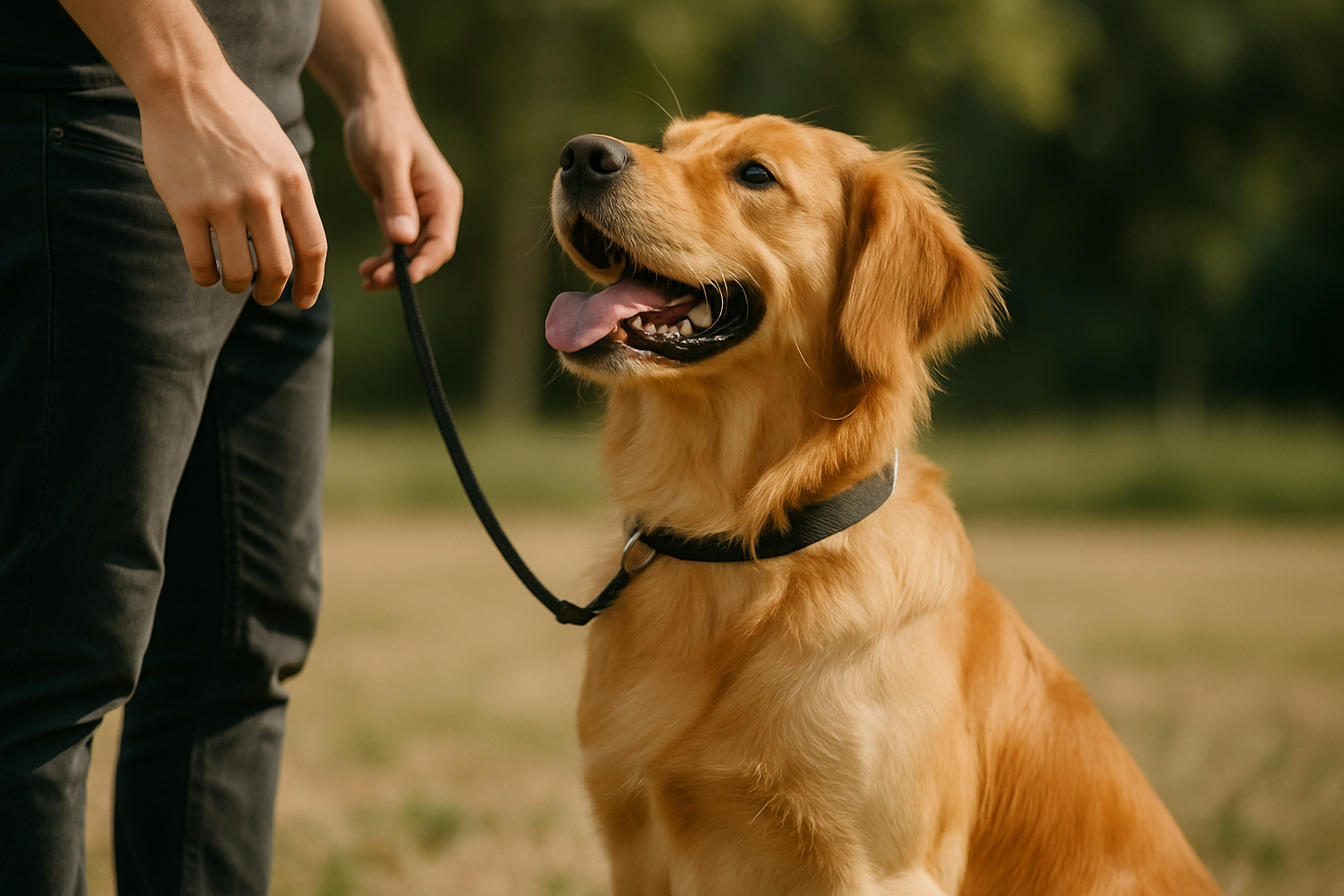
How to stop puppy from humping is one of the most common questions dog owners ask—and for good reason. If you've watched your adorable puppy suddenly mount a visitor's leg, another dog, or a beloved pillow, you know that moment of mortification. Here's what might surprise you: your puppy isn't broken, and you're far from alone. Humping is a totally natural and instinctive behavior for both male and female puppies.[2] Understanding what's actually driving this behavior is the first step toward addressing it effectively without punishment, which only confuses puppies and can make the behavior worse.
Stop Puppy Humping: Causes, Management, and Training Plan
If you've ever watched your adorable puppy suddenly mount a visitor's leg, another dog, or a beloved pillow, you know that moment of mortification all too well. Your face flushes. You apologize profusely. And you wonder: "Is my puppy broken? Is this normal? What on earth do I do?"
Here's the truth that might surprise you: your puppy isn't broken, and you're far from alone. Humping is one of the most common behaviors dog owners encounter, and despite how it looks, it's rarely about what you might think. Understanding what's actually driving this behavior is the first step toward addressing it effectively.
Is Puppy Humping Normal?
Absolutely. Humping is a totally natural and instinctive behavior for both male and female puppies and dogs. [2] This means your puppy isn't doing anything wrong—they're simply being a puppy. The behavior can appear at any age, whether your puppy is interacting with littermates, other pets, unfamiliar dogs at the park, or even people and objects in your home.
The critical thing to understand is this: punishment doesn't work because your puppy won't understand why they're being corrected for a completely natural behavior. [2] Yelling, pulling them away forcefully, or using harsh corrections will only confuse and potentially stress your puppy further, which can actually make the behavior worse.
That said, just because it's normal doesn't mean you have to tolerate it, especially if it's happening frequently or becoming a social problem. The good news? With patience and the right approach, you can manage and redirect this behavior effectively.
Why Do Puppies Hump? Understanding the Real Causes
Before you can address humping, you need to understand what's actually driving it. The causes are more varied than most people realize.
Stress and Self-Soothing
One of the most common reasons puppies hump is to self-soothe when they're stressed or anxious. [3] This might seem counterintuitive—how can something that looks so energetic be calming?—but for puppies, humping can have a regulating effect on their nervous system. A puppy might start humping when they're worried about a thunderstorm, nervous about meeting new people, or anxious about being separated from their littermates.
The stress can be either "good" stress (like excitement) or "bad" stress (like genuine anxiety). Either way, humping serves as a coping mechanism.
Overstimulation and Excitement
Puppies are bundles of energy, and sometimes they simply get overwhelmed by excitement. [3] Your puppy might start humping when you arrive home after being gone all day, when guests come over, or when they're at a bustling dog park surrounded by unfamiliar dogs and stimulation they can't fully process. In these situations, humping is essentially your puppy's way of saying, "There's so much happening right now, and I don't know what to do with all this energy!"
During rowdy play sessions, a puppy might become so excited and overstimulated that they lose control and start humping. [4] This is why you might see it happen most during high-energy play with other dogs or after particularly fun interactions.
Normal Play Behavior
Humping can simply be part of how puppies play with each other. [3] It's not unusual to see puppies take turns mounting one another during wrestling or play sessions. Brief moments of humping during otherwise appropriate play are generally harmless. However, it's important to watch for signs that the other dog is uncomfortable or stressed by it. Not all dogs enjoy being mounted, and some will lash out if they feel pestered.
Social Status and Confidence Issues
While dominance is often misunderstood in dog training, humping can sometimes relate to social dynamics. [3] Interestingly, it's not always the confident puppy doing the humping to assert dominance. Sometimes an insecure or less confident puppy might hump a more confident dog because they lack the social skills to interact appropriately. The confident dog might simply tolerate it.
If your puppy is humping a person, it's almost never about dominance over you. Humans naturally hold all the resources and control in a dog's life, and puppies understand this instinctively. [3] Humping directed at people is far more likely to be stress-induced or related to overstimulation.
Sexual and Hormonal Behavior
Yes, sometimes humping is about sex—but this is more common in puppies approaching sexual maturity (around 5-8 months old) rather than in very young puppies. [3] Teenage hormones can trigger instinctual mounting behavior. Additionally, intact male dogs can detect when a female is about to go into heat and may respond with mounting behavior even if they've never done it before.
Some puppies also discover that humping feels good and then repeat it for pleasure, whether on other dogs, people, or favorite toys. This is one reason why spaying and neutering is sometimes recommended, though recent research suggests timing matters for certain breeds due to long-term health implications. [4] Discuss the best timing with your veterinarian.
Medical Issues
In some cases, excessive humping can signal an underlying health problem. Infections, irritation, or in male dogs, prostate issues can trigger increased mounting behavior. [4] If your puppy is also licking or chewing their own body, showing signs of distress, or if the humping is excessive and accompanied by aggression when you try to stop it, contact your veterinarian. [2] They can rule out medical causes and may recommend consultation with an accredited animal behaviorist if needed.
Management Strategies: Preventing the Behavior
While training is important, smart management can prevent many humping situations from occurring in the first place.
Identify and Remove Triggers
Start by noticing when your puppy humps. Is it always during certain activities? With specific dogs or people? At particular times of day? Once you identify patterns, you can proactively manage those situations.
- Manage the environment: If your puppy has a favorite toy or object they hump, remove it temporarily until the behavior decreases. [4]
- Control social situations: If you know your puppy will jump on a particular visitor, put them in a separate area while that person arrives. Once your puppy is calm, you can gradually introduce them. [4]
- Limit overstimulation: Be mindful of how much stimulation your puppy is getting. If they're about to attend a busy dog park or have multiple guests coming, plan ahead to manage their energy.
Provide Adequate Exercise and Mental Stimulation
A tired puppy is a well-behaved puppy. [4] Make sure your puppy is getting enough physical exercise for their age and breed. Additionally, provide mental stimulation through puzzle toys, training sessions, and enrichment activities. Boredom and pent-up energy are common culprits behind increased humping.
Keep Chew Toys and Activities Available
Provide your puppy with appropriate outlets for their energy and natural behaviors. Chew toys, puzzle feeders, and interactive toys can keep them occupied and redirect their focus away from humping. [4]
Training Plan: Redirecting the Behavior
Once you've managed the environment and ruled out medical issues, it's time to train. Redirection is the most effective approach because it tells your puppy the behavior isn't wanted while allowing you to reward an alternative behavior instead.
Step 1: Catch It Early
The sooner you intervene when humping starts, the easier it will be to change the habit. [4] Don't wait until it becomes an embedded behavior pattern. Watch for the early signs: your puppy's posture changing, them moving toward another dog or person with that particular gleam in their eye.
Step 2: Redirect to an Alternative Command
When you notice humping starting, calmly redirect your puppy to a different behavior. [4] You might ask them to:
- Sit: A simple, reliable command that's incompatible with humping
- Lie down: An even more calming position
- Stay: Helps your puppy practice impulse control
- Come: Redirects their focus entirely to you
The key is consistency. Every time you see humping beginning, use the same command and reward your puppy generously when they comply. This teaches them that following your direction is much more rewarding than the humping behavior.
Step 3: Use Physical Redirection When Needed
If your puppy is persistently mounting a visitor or another dog and verbal redirection isn't working, calmly take them to their crate or a quiet area away from the situation. [4] Don't make a big fuss or yell—that can actually reward the behavior by giving them attention. Simply remove them matter-of-factly and allow them to calm down.
Step 4: Redirect to Exercise or Play
Sometimes the most effective redirection is engaging your puppy in an activity that burns energy and captures their attention. [4] Suggest a game of fetch, take them outside for a walk, or engage them with a toy. This gives them an outlet for their excess energy while moving them away from the problematic behavior.
Step 5: Build a Strong Foundation with Training
General obedience training makes redirection much easier. [4] A puppy who knows basic commands (sit, down, stay, come) can be redirected quickly and reliably. Consider enrolling in a puppy training class or working with a certified trainer. This also establishes your leadership in a positive way that's calming for your puppy.
When to Seek Professional Help
Most humping can be managed with the strategies above. However, contact your veterinarian if:
- Your puppy is humping excessively (much more than seems normal)
- They become aggressive when you try to stop them [2]
- The behavior is accompanied by signs of distress, skin irritation, or excessive licking/chewing [4]
- You've implemented training consistently for several weeks with no improvement
Your vet can rule out medical issues and may recommend referral to an accredited animal behaviorist who can provide personalized guidance. [2]
Key Takeaways for Success
- Never punish: Humping is natural behavior your puppy won't understand being corrected for. Punishment creates confusion and stress.
- Identify the cause: Is your puppy stressed, overstimulated, playing, or experiencing something else? Understanding the "why" helps you address the root issue.
- Manage proactively: Remove triggers, provide exercise, and control situations before they happen.
- Redirect consistently: Use commands your puppy knows and reward heavily when they comply.
- Be patient: Changing behavior takes time. Stay consistent and celebrate small progress.
- Get professional support if needed: There's no shame in working with a trainer or behaviorist, especially if the behavior is excessive or accompanied by aggression.
Remember, your puppy isn't trying to embarrass you or be naughty. They're simply being a puppy, communicating through the only language they have. With understanding, management, and consistent training, you can help them learn more appropriate ways to express themselves. Before you know it, those mortifying moments will be a distant memory.