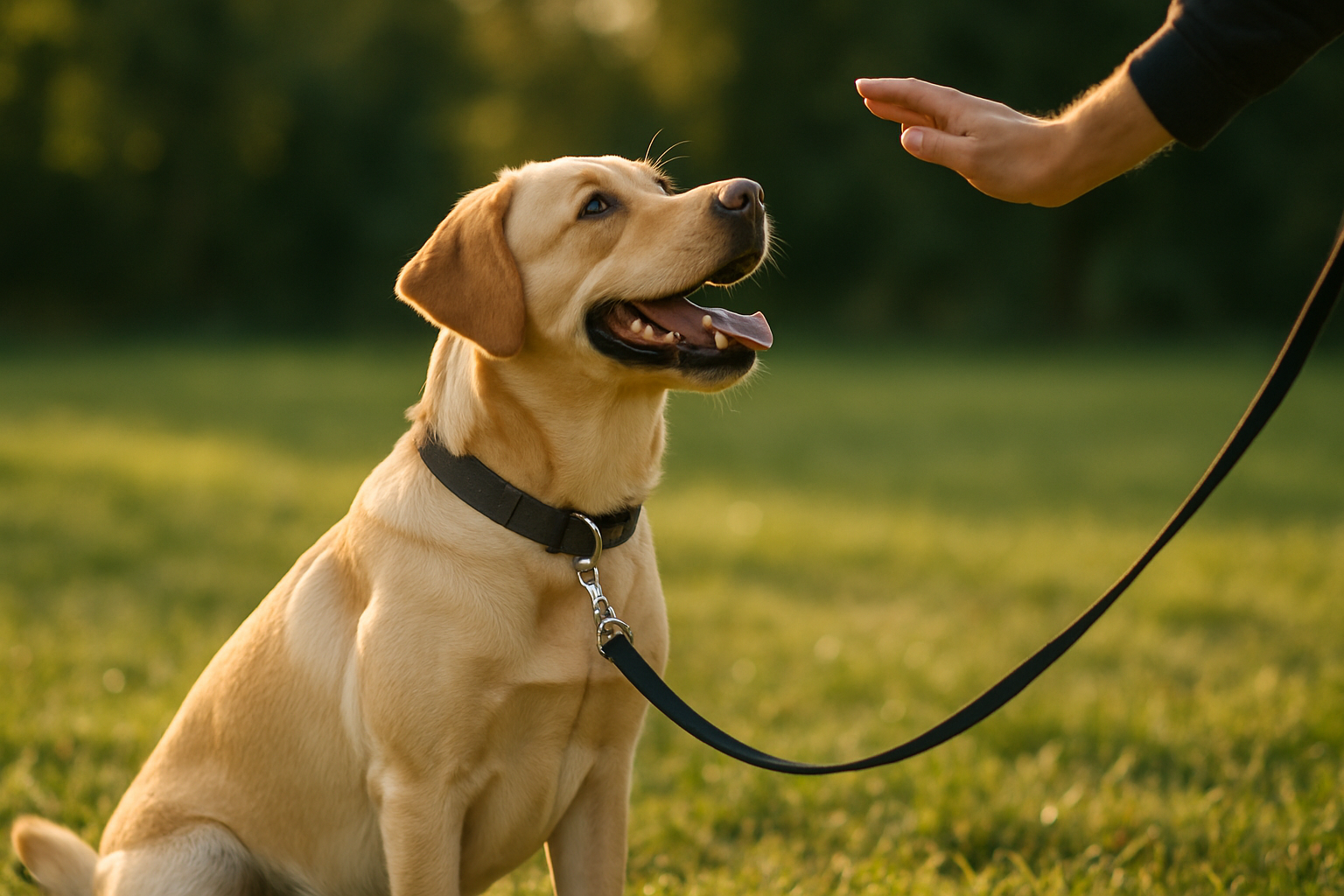
How to Stop Puppy Chewing Furniture: Safe Training in 7 Steps
Coming home to find your coffee table gnawed to bits or your sofa arm looking like it lost a battle with a tiny furry lumberjack isn't just frustrating—it's demoralising. But before you consider drastic measures, take a breath. Your puppy isn't being deliberately destructive or trying to ruin your day. They're doing what puppies do: exploring the world with their mouths and managing the discomfort that comes with growing teeth.
The good news? Furniture chewing is entirely manageable. With patience, consistency, and the right training strategy, you can guide your puppy toward appropriate chewing habits while keeping your belongings intact. This guide walks you through seven proven steps to stop puppy chewing furniture—all rooted in positive reinforcement and your puppy's natural needs. [1]
Why Puppies Chew: Understanding the Root Cause
Before tackling the solution, it's worth understanding why your puppy is turning your furniture into a chew toy in the first place. Puppies don't chew out of spite or mischief. They chew for several legitimate reasons:
- Teething pain: Between 8 weeks and 7 months old, puppies experience significant discomfort as their baby teeth emerge and adult teeth push through. Chewing helps relieve this pain by applying pressure to their gums. [5]
- Exploration: Puppies experience the world through their senses, especially touch and taste. Chewing is how they learn about their environment. [5]
- Stress relief: Chewing releases endorphins, which calm and relax your puppy. This self-soothing behaviour is particularly important during times of change or anxiety. [2]
- Boredom and excess energy: Without adequate mental and physical stimulation, puppies seek entertainment wherever they can find it—often at your furniture's expense. [4]
- Attention-seeking: If your puppy has learned that chewing gets them attention (even negative attention), they may continue the behaviour. [2]
Understanding these drivers is crucial. It shifts your mindset from "How do I punish this behaviour?" to "How do I meet my puppy's needs in a constructive way?" This reframing is the foundation of effective, lasting training.
Step 1: Provide a Variety of Appropriate Chew Toys
The first and most important step is giving your puppy legitimate outlets for their chewing instinct. Puppies need to chew—you can't stop that behaviour entirely, nor should you want to. Instead, you're redirecting it toward items that won't damage your home or harm your pup.
Offer a diverse range of textures and materials to keep your puppy engaged:
- Rubber toys: Durable options like Kongs are excellent for puppies. Stuff them with treats or freeze them for teething relief. [1]
- Rope toys: Great for interactive play and texture variety. Always supervise to prevent your puppy from swallowing strands. [1]
- Natural chews: Bully sticks, yak chews, and other long-lasting natural options satisfy the chewing urge without the furniture damage. [4]
- Edible chews: Rawhide-free options or dental chews can be both entertaining and beneficial for oral health. [5]
- Puzzle toys: Toys that dispense treats as your puppy interacts with them provide mental stimulation alongside the chewing satisfaction. [4]
- Frozen alternatives: Frozen carrots, wet washcloths, or ice cubes offer soothing relief for sore gums during teething. [1]
Pro tip: Rotate toys every few days to maintain novelty and keep your puppy interested. A toy that's been hidden for a week suddenly becomes exciting again when reintroduced. [3]
Safety note: Always supervise your puppy with new chews and toys. Remove any items that become small enough to swallow, as these pose choking and digestive blockage risks. [3]
Step 2: Reward Good Choices Immediately and Enthusiastically
Puppies learn through association. When they chew on an appropriate toy, they need to understand that this choice leads to good things. This is where positive reinforcement becomes your most powerful training tool.
Whenever you catch your puppy choosing a chew toy over your furniture, celebrate it:
- Offer verbal praise: Use an excited, genuine tone: "Yes! Good chewing! That's the right toy!" Your enthusiasm matters more than the exact words. [1]
- Give treats: Offer a high-value treat immediately after they engage with the appropriate toy. This creates a strong positive association. [1]
- Initiate play: Sometimes the best reward is your engagement. Play a quick game with the toy to make it more exciting than the forbidden furniture. [1]
The timing is critical. Your puppy needs to connect the reward directly to the behaviour. Praise or treats delivered even 10 seconds later won't be as effective as immediate reinforcement.
Step 3: Calmly Redirect When You Catch Them in the Act
Despite your best efforts, you'll catch your puppy chewing furniture. How you respond in that moment determines whether the behaviour continues or diminishes.
What to do:
- Stay calm: Take a breath. Yelling, scolding, or expressing frustration creates fear and confusion. Your puppy won't understand why you're upset; they'll only learn that chewing gets them attention (which can reinforce the behaviour). [Source 1, 3]
- Interrupt gently: Calmly redirect your puppy's attention away from the furniture. A simple "Hey, let's try this instead" works better than dramatic reactions. [3]
- Offer the alternative: Immediately present an appropriate chew toy. Make it more exciting by engaging in play or adding treats to it. [1]
- Reward the redirection: Once your puppy begins chewing the toy, provide enthusiastic praise and rewards. [3]
What to avoid:
- Yelling or harsh reprimands (creates fear and anxiety, potentially worsening the behaviour) [3]
- Making loud noises or startling your puppy (adds stress and can increase anxiety-related chewing) [3]
- Chasing your puppy when they've taken something to chew (turns it into a game and reinforces the behaviour) [4]
- Punishing after the fact (puppies don't connect past behaviour with current punishment, so it's ineffective and damages trust) [4]
Step 4: Manage the Environment to Remove Temptation
You can't supervise your puppy 24/7, and even the most attentive owner will have moments when their pup is out of sight. Environmental management reduces the opportunities for furniture chewing and sets your puppy up for success.
Practical strategies:
- Use furniture covers and blankets: Protect sofas, chairs, and beds with washable covers. This creates a physical barrier and makes furniture less appealing. [3]
- Secure power cords and cables: Chewing electrical cords is dangerous. Use cord protectors or move them out of reach. [1]
- Remove accessible items: Tuck away shoes, books, cushions, and other tempting chew items. The less accessible the temptation, the less likely your puppy will engage with it. [1]
- Use pet gates or a crate: Confine your puppy to a puppy-proofed area when you can't actively supervise. A properly crate-trained puppy feels safe in their crate and is less likely to chew inappropriately. [3]
- Fill the confined space with chew toys: Ensure any restricted area contains plenty of appropriate chew options so your puppy has outlets for their natural instinct. [1]
The goal isn't to restrict your puppy's freedom permanently, but to prevent bad habits from forming while you're actively training them toward good ones.
Step 5: Provide Adequate Physical Exercise and Mental Stimulation
A tired puppy is a well-behaved puppy. Insufficient exercise and mental stimulation are common drivers of destructive chewing. When puppies have excess energy or a bored mind, furniture becomes entertainment.
Physical exercise:
- Take your puppy on regular walks suited to their age and breed. Once vaccinations are complete, outdoor exploration provides both exercise and mental enrichment. [5]
- Play fetch or other interactive games indoors and outdoors. [5]
- Adjust activity levels based on your puppy's age, breed, and health status. A high-energy breed like a Labrador needs more exercise than a smaller breed. [3]
Mental stimulation:
- Puzzle toys and treat dispensers: These engage your puppy's problem-solving skills and keep them occupied for extended periods. [4]
- Training sessions: Short, positive training sessions teach commands while exercising your puppy's brain. [4]
- Scent games: Hide treats around your home or yard for your puppy to find, engaging their natural hunting instincts. [4]
- Interactive play: Engage with toys together rather than leaving your puppy to play alone. [5]
The combination of physical and mental exercise addresses the root causes of many destructive behaviours and contributes to a calmer, happier puppy overall.
Step 6: Consider Using Deterrent Sprays (With Realistic Expectations)
Deterrent sprays can be a helpful supplementary tool, though they work best alongside other training methods rather than as a standalone solution. These sprays work by making furniture taste unpleasant, discouraging your puppy from chewing.
Commercial options: Pet shops sell bitter sprays specifically designed for dogs. These are safe and effective for some puppies, though effectiveness varies. [2]
Homemade alternative: If you prefer a natural option, you can create a simple spray at home. Mix one part white vinegar with two parts apple cider vinegar in a spray bottle. Dogs dislike the flavour and smell of vinegar and bitter apple, making this combination effective for deterring chewing. [2]
How to use:
- Test the spray on a small, inconspicuous area of furniture first to ensure it doesn't damage the material. [4]
- Spray the areas your puppy frequents most, such as furniture corners and legs. [2]
- Reapply regularly, especially after cleaning or if your puppy attempts to chew the area again. [2]
- Supervise initially to ensure your puppy responds as expected. [2]
Important caveat: Deterrent sprays may only work temporarily. Some puppies develop a tolerance to the taste and resume chewing. Additionally, they don't address the underlying need to chew or teach your puppy what they should chew instead. For lasting results, combine sprays with the other six steps in this guide. [3]
Step 7: Establish a Consistent Routine and Clear Expectations
Dogs thrive with consistency. Clear, predictable routines help your puppy understand expectations and feel secure. This consistency is particularly important during the critical learning phase when chewing habits are forming.
Create a structured routine:
- Regular feeding times: Predictable meal schedules help regulate bathroom needs and reduce anxiety. [3]
- Scheduled exercise: Daily walks and play sessions at consistent times tire your puppy and reduce destructive energy. [3]
- Training sessions: Short, daily training sessions (5-10 minutes) teach commands and reinforce good behaviour. [4]
- Supervised playtime: Designated times for interaction and play help your puppy anticipate when they'll have your attention. [3]
- Quiet time: Crate time or confined space time helps your puppy learn to settle and gives you breaks. [3]
Consistency across household members: Everyone living with your puppy should respond to chewing the same way. If one person redirects gently while another yells, your puppy receives conflicting messages and learns more slowly.
Over time, this consistency builds trust and helps your puppy internalise the rules of your home.
When to Seek Professional Help
Most puppies respond well to the training approach outlined above. However, certain situations warrant professional guidance:
- Sudden or severe chewing: If your puppy suddenly begins chewing excessively or destructively, a veterinary check-up is important to rule out dental pain, nutritional deficiencies, or medical conditions. [4]
- Separation anxiety: If chewing occurs primarily when your puppy is alone and is accompanied by whining, pacing, or restlessness, separation anxiety may be the underlying cause. A certified canine behaviourist or veterinary behaviourist can help address this. [4]
- Persistent destructive behaviour: If your puppy continues destructive chewing despite consistent training and management, a certified professional dog trainer or behaviourist can assess the situation and develop a tailored plan. [1]
Key Takeaways
Stopping puppy chewing furniture isn't about punishment or suppression—it's about understanding your puppy's needs and redirecting their natural instincts toward appropriate outlets. By following these seven steps, you'll:
- Reduce furniture damage and protect your belongings
- Help your puppy develop healthy chewing habits that benefit their oral health and mental wellbeing
- Build a stronger, trust-based relationship with your puppy
- Create a calm, predictable home environment where your puppy feels secure
Remember, puppyhood is temporary. The teething phase typically eases by six to nine months, and with consistent, positive training, your puppy will learn the boundaries of your home. Your patience now pays dividends in the years of companionship ahead. [5]
Sources & References
- https://www.carriescanines.co.uk/how-to-stop-puppy-chewing-furniture-proven-training-tips-solutions/
- https://theorganisedhousewife.com.au/cleaning/cleaning-recipes/homemade-spray-to-stop-puppy-chewing-furniture/
- https://www.rover.com/blog/prevent-dog-from-chewing-furniture/
- https://petrebellion.co.uk/blog/2026/01/06/dog-chewing-furniture/
- https://headsupfortails.com/blogs/dogs/how-to-stop-my-puppy-from-biting-chewing-on-furniture-clothes-hands