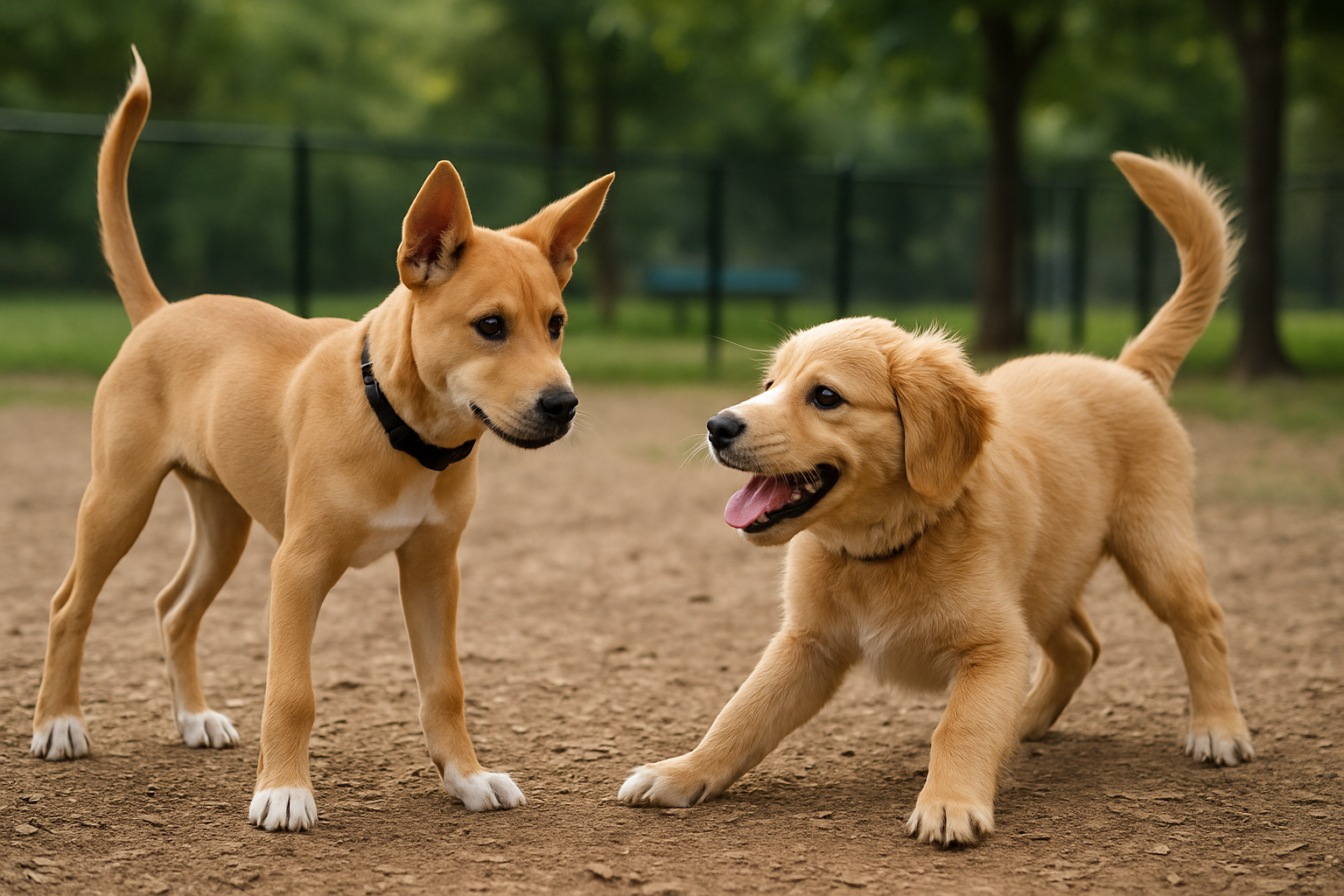
Why Puppy Body Language Matters More Than You Think
Picture this: You're at the dog park, and two puppies approach each other with wagging tails. You assume they're excited to play, but within seconds, tension erupts. What went wrong? The truth is, you were likely missing critical communication signals that indicated stress or discomfort beneath that happy tail wag.
Most dog owners believe they understand their puppy's basic communication. After all, a wagging tail means happiness, right? Not necessarily. The reality is far more nuanced and fascinating. Puppies communicate through an intricate system of body signals that convey detailed information about their emotional state, intentions, and comfort level. [2] Misinterpreting these signals can lead to missed training opportunities, damaged relationships, and potentially dangerous situations.
Learning to read your puppy's body language isn't just about building a stronger bond—it's about creating a safer, happier environment where your pup can thrive with confidence.
The Complete Communication System: Understanding How Puppies Really Talk
Unlike humans who rely heavily on verbal communication, puppies have evolved a sophisticated nonverbal language system. [2] This system didn't develop randomly; it emerged from their pack-animal ancestry, where clear communication meant the difference between coordinated hunts and conflict resolution.
Here's what makes canine communication unique: puppies don't use isolated signals. Instead, they communicate through their entire body as an integrated system. A wagging tail combined with stiff shoulders sends a completely different message than the same tail wag paired with loose, bouncy movement. [2] This whole-body approach means you need to look at the complete picture rather than fixating on individual signals.
Additionally, context is everything. The same direct stare your puppy gives during a playful wrestling match carries an entirely different meaning than a hard stare during a resource-guarding situation. [2] Learning to evaluate signals within their proper context transforms you from someone who guesses at your puppy's feelings into someone who truly understands them.
Decoding Your Puppy's Face: The Window to Their Emotions
Your puppy's face provides an incredibly detailed readout of their emotional state if you know what to look for. The good news? These signals are relatively consistent across all dogs, though individual puppies may have unique expressions based on breed, personality, and past experiences. [2]
Eye Contact and What It Really Means
Eyes reveal far more than most owners realize. [4]
- Hard, direct stares: These indicate challenge, intense focus, or potential threat. When paired with other aggressive signals, a fixed stare should alert you to remove your puppy from the situation. [4]
- Soft eye contact: This conveys engagement, trust, and affection. It's the look your puppy gives when they feel safe and connected to you.
- Looking away or "whale eye": When your puppy shows the whites of their eyes while turning their head, they're signaling stress, fear, or an attempt to avoid confrontation. [4] This is actually a calming signal—your puppy is trying to de-escalate tension.
- Rapid eye movement: If your puppy's eyes are darting around the room, they're likely monitoring their environment for potential threats or changes.
Mouth and Lip Signals
What your puppy's mouth is doing tells an important story about their comfort level. [4]
- Relaxed, open mouth: A tongue lolling out with a naturally open mouth indicates contentment and relaxation. This is the face of a comfortable puppy.
- Closed, tense mouth: Tension around the lips often shows concentration or anxiety. If the corners are pulled back, your puppy may be experiencing fear or preparing for defensive action.
- Lip licking when not eating: This is a stress signal. Your puppy is self-soothing in response to something they find uncomfortable. [2]
- Yawning: Contrary to what you might think, yawning doesn't necessarily mean your puppy is tired. It's often a calming signal indicating stress or anxiety. [5]
Forehead and Brow Changes
The area above your puppy's eyes is remarkably expressive. Wrinkled foreheads typically indicate worry, intense concentration, or stress. [2] Some puppies develop deep forehead wrinkles when focusing intently on something or when anxious about a situation. In contrast, a smooth forehead suggests your puppy is relaxed and at ease.
Ear Position: The Directional Indicator
Ears are among the most mobile and expressive parts of a puppy's body. [2]
- Forward, pricked ears: Show alertness and interest. Your puppy is actively engaged with something in their environment.
- Pinned-back ears: Usually indicate fear, submission, or stress. This is a defensive posture where your puppy is trying to appear less threatening or protect their ears from potential harm.
- Constantly swiveling ears: Indicate your puppy is monitoring their environment for potential threats or changes. This scanning behavior shows heightened awareness.
- Ears in natural position: Suggest your puppy is calm and comfortable with their surroundings.
The Tail: Complexity Beyond the Wag
The tail is perhaps the most misunderstood signal in canine communication. Many owners believe a wagging tail automatically means a happy dog, but this oversimplification has led to countless misunderstandings. [5] In reality, a wagging tail simply means your puppy is emotionally aroused—but that arousal could be positive or negative.
Understanding Tail Position
The height at which your puppy carries their tail reveals their confidence level and emotional state. [5]
- High, stiff tail: Indicates arousal, alertness, or dominance displays. Your puppy is feeling assertive or confident.
- Neutral tail position: Held roughly level with the back, indicating a relaxed, normal emotional state. Note that neutral varies by breed—Chow Chows naturally carry tails high, while Italian Greyhounds carry theirs low.
- Low or tucked tail: Suggests submission, fear, or uncertainty. A tail pressed against the belly is a clear sign your puppy is uncomfortable.
Wag Speed and Patterns
The speed and style of the wag provides crucial context. [5]
- Long, slow, side-to-side sweeps: The classic relaxed wag that moves your puppy's entire body. This indicates genuine excitement and friendliness.
- Fast, twitch-like wags: Indicate high arousal that could go either direction—friendly or aggressive. Context from the rest of the body becomes critical here.
- Helicopter tail wag: The tail spins in a complete circle. This is unambiguously a happy signal, typically seen when puppies greet beloved people. [5]
- Slow, tight wags: Often indicate uncertainty or cautious interest. Your puppy is interested but not fully confident.
Directional Wags Tell a Story
Research has revealed something fascinating about tail-wag direction. [5] Puppies tend to wag their tails more to the right when experiencing positive emotions, such as interacting with their owner. When facing something negative or stressful, they wag more to the left. While this might seem subtle, it's another piece of the communication puzzle worth observing.
Body Posture: Reading the Whole Picture
A puppy's overall body position provides context for all other signals. Weight distribution, muscle tension, and postural alignment work together to reveal your puppy's emotional state. [4]
The Relaxed Puppy
A relaxed puppy displays a loose, wiggly posture with soft, engaged movements. Their weight is evenly distributed, and their overall demeanor suggests comfort with their surroundings. [4] You'll often see exaggerated movements during play, with the puppy bouncing or play-bowing.
The Alert Puppy
An alert puppy is assessing their surroundings for more information. Their weight is distributed in a "ready" position, and their body appears prepared to move in any direction. [4] This is normal exploratory behavior—your puppy is gathering data about their environment.
The Fearful Puppy
Fear manifests as a distinctly different posture. A fearful puppy typically exhibits stiff body language with a hunched back, head lowered close to the ground. [4] Their weight shifts backward and away from the trigger. This posture communicates, "I mean no harm, and I want distance."
In extreme cases, a puppy may roll onto their back and expose their belly. While this might look like a request for belly rubs, it's often a sign of considerable stress or anxiety. [5] Some puppies even urinate slightly as an appeasement signal.
Forward Weight Shift: Approaching vs. Aggressive
When your puppy shifts their weight forward, they're trying to get closer to something. [5] This might indicate simple curiosity and interest. However, when paired with other aggressive body language cues—like a high, twitching tail, stiff posture, and hard stare—forward weight shift suggests offensive intentions and an attempt to appear larger and more threatening.
The Play Bow
One of the most recognizable and positive signals is the play bow. [5] Your puppy places their chest on the ground with their rump in the air. This posture is used to initiate play with other puppies and with people. When you see this signal, your puppy is clearly communicating their desire to engage in friendly interaction.
Stress Signals and Calming Behaviors
Puppies who feel stressed or uncomfortable perform a series of behaviors called calming signals. [4] These are appeasement or displacement behaviors that represent an attempt to self-calm or reduce escalating tension. Recognizing these signals allows you to intervene before stress escalates.
- Exaggerated yawning
- Frequent lip licking
- Sneezing when not triggered by allergens
- Body shaking as if wet (without moisture)
- Excessive self-grooming or scratching
- Avoiding eye contact or looking away from triggers
- Rapid breathing when not hot or recently exercised
When you notice these behaviors, your puppy is telling you they need a break or a change in their environment. [4] Respecting these signals prevents stress from building into behavioral problems.
Reading Aggression: Critical Safety Information
Understanding aggressive body language is essential for safety. [4] Aggression in dogs can take many forms, but certain body language patterns consistently indicate a dog is ready to react to a stressor.
- Ears: Positioning depends on the type of aggression. Fearful aggression typically shows pinned-back ears, while assertive aggression shows forward-pricked ears. [4]
- Eyes: A fixed, hard, unwavering stare with wrinkles across the forehead indicates readiness to act aggressively. [4]
- Mouth: Tension around the mouth, pulled-back lips exposing teeth, and stiff jaw indicate aggressive intent. [4]
- Hackles: Raised hair along the back (piloerection) indicates high arousal. [5] While not always negative, raised hackles combined with other aggressive signals warrant caution.
- Body stiffness: Rigid, tense muscles throughout the body signal readiness for confrontation.
If you observe these signals in your puppy, remove them from the situation immediately and consult with a professional trainer or behaviorist.
Individual Differences: Every Puppy Communicates Uniquely
While the fundamentals of canine body language are consistent, individual puppies express themselves with different styles. [2] Some puppies are naturally more expressive and exaggerated in their movements, while others communicate more subtly. Breed characteristics, past experiences, and personality all affect how your individual puppy communicates.
Additionally, canine communication happens incredibly fast. Critical signals might last only seconds or fractions of seconds. [2] Developing the ability to spot subtle changes quickly takes practice, but it's absolutely achievable with intentional observation.
Practical Tips for Decoding Your Puppy's Communication
- Observe in context: Always consider what's happening around your puppy when interpreting signals. The same behavior means different things in different situations.
- Look at the whole body: Never rely on a single signal. Integrate information from ears, eyes, mouth, tail, posture, and weight distribution.
- Learn your puppy's baseline: Spend time observing your puppy when they're calm and comfortable. This helps you recognize when they deviate from their normal state.
- Practice slow-motion observation: When watching puppy interactions, try to mentally slow down what you're seeing. This helps you catch subtle signals you might otherwise miss.
- Trust your instincts: If something feels off about a puppy's communication, it probably is. Remove your puppy from the situation rather than pushing forward.
- Record and review: Film your puppy during various activities and watch the footage at normal and slow speeds. This is one of the best ways to train your eye.
- Consult professionals: If you're unsure about your puppy's communication patterns or behavior, work with a certified professional dog trainer or veterinary behaviorist.
Common Misunderstandings and How to Avoid Them
Misunderstanding #1: Wagging tail = happy dog
Reality: A wagging tail indicates emotional arousal. Look at the speed, position, and the rest of the body to determine if that arousal is positive or negative.
Misunderstanding #2: Looking away = disrespect
Reality: Looking away is often a polite, calming signal. Your puppy is trying to de-escalate tension, not being rude.
Misunderstanding #3: Yawning = tiredness
Reality: While puppies do yawn when tired, they also yawn when stressed or anxious.
Misunderstanding #4: Belly exposure = invitation for belly rubs
Reality: While a relaxed puppy might enjoy belly rubs, an anxious puppy exposing their belly is showing appeasement and stress, not requesting affection.
Building a Stronger Bond Through Understanding
Learning to read your puppy's body language is one of the most rewarding investments you can make in your relationship. When your puppy realizes you understand their communication, they relax knowing they have an advocate who respects their feelings. This foundation of trust and understanding becomes the basis for a confident, well-adjusted adult dog.
Start observing your puppy with fresh eyes today. Watch how they communicate with you, with other puppies, and with their environment. Each observation adds to your expertise. Over time, you'll develop an intuitive understanding of what your puppy is trying to tell you—often before they fully express it.
The next time you're at the dog park and you see two puppies approaching, you'll be able to read the subtle signals that indicate whether they're about to have a wonderful playdate or whether one needs space. That's the power of understanding puppy body language.