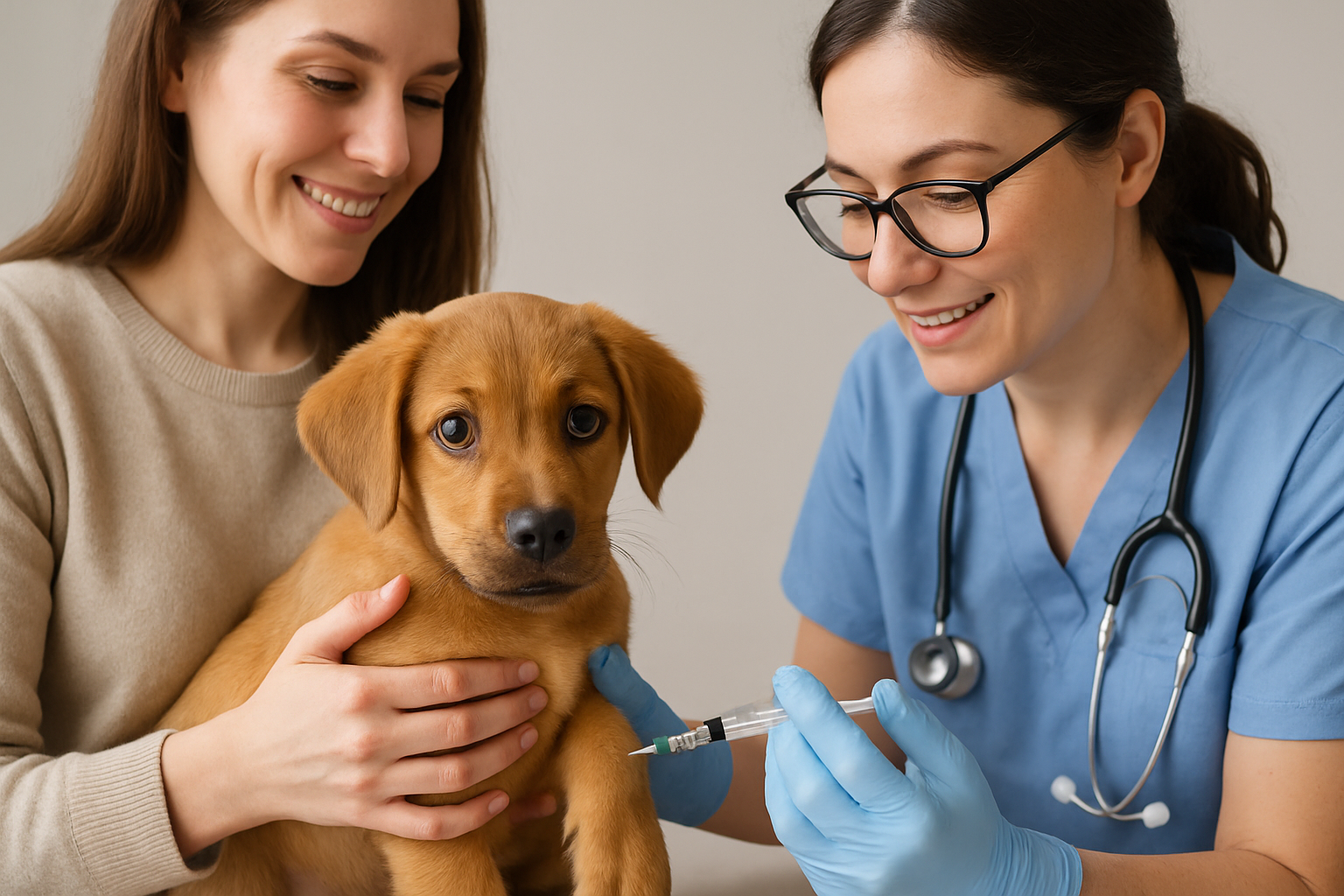
Why Puppy Vaccinations Matter More Than You Think
When you welcome a new puppy into your home, you're taking on the responsibility of protecting a vulnerable creature from serious, potentially life-threatening diseases. Your puppy's immune system is still developing, making them particularly susceptible to infectious illnesses that adult dogs with established immunity can often fight off. [2] Vaccinations aren't just about keeping your individual puppy healthy—they're also about protecting the broader dog community and even your own family's wellbeing.
Think of your puppy's immune system as a rookie team entering their first season. Without proper preparation, they're unprepared for the challenges ahead. Vaccines serve as training sessions, introducing disease-causing organisms in safe, controlled forms so your puppy's immune system learns to recognize and fight them without getting sick. [5] This foundational protection established during puppyhood can mean the difference between a long, healthy life and serious illness or tragedy.
Understanding Maternal Antibodies: Why Timing Is Critical
Here's something many new puppy parents don't realize: your puppy arrives with built-in protection from their mother. Nursing puppies receive maternal antibodies through their mother's milk that shield them from common canine illnesses during those early weeks. However, this temporary protection is a double-edged sword. [5] While it keeps your young puppy safe initially, these maternal antibodies eventually fade, leaving a vulnerable window where your puppy needs their own immune defenses.
This is why vaccination timing is so important. Starting shots too early means they may be neutralized by remaining maternal antibodies, rendering them ineffective. Starting too late leaves your puppy exposed during that critical gap period. [2] By following the recommended schedule starting at 6 to 8 weeks of age, you ensure protection kicks in precisely when your puppy needs it most, before maternal immunity completely disappears.
The Puppy Vaccination Timeline: Week by Week
Your puppy's vaccination journey typically spans from 6 weeks to 16 weeks of age, with specific milestones along the way. Here's what you can expect:
- 6 to 8 weeks: Your puppy receives their first round of core combination vaccines. This is often administered by the breeder or shelter before you bring your puppy home. [2]
- 10 to 12 weeks: The second booster round strengthens immunity as maternal antibodies continue to fade.
- 14 to 16 weeks: The final puppy vaccination series ensures robust protection is established before your pup reaches adulthood. [3]
- 12 to 16 weeks: Begin heartworm prevention medication, as there's no vaccine for this serious parasite. [4]
- 1 year of age: Your puppy receives booster shots to reinforce immunity established during their vaccination series.
- Every 1 to 3 years: Ongoing booster vaccinations maintain lifelong protection. [2]
Core Vaccines: The Non-Negotiable Shots
Core vaccines are the foundation of your puppy's protection. These are recommended for every single puppy, regardless of lifestyle or geographic location, because the diseases they prevent are serious, highly contagious, and often fatal. [1]
DHPP Combination Vaccine
Most puppies receive their core protection through a combination vaccine often called DHPP or DAP. This single injection protects against four major canine diseases:
- Distemper (D): A highly contagious virus affecting the respiratory, gastrointestinal, and nervous systems. Distemper is fatal in roughly one out of every two infected dogs, with no cure available. [2] The disease causes fever, coughing, vomiting, diarrhea, and potentially seizures and paralysis. Your puppy needs a series of distemper shots until 16 weeks old, followed by a booster at one year, then every three years. [2]
- Adenovirus (H or A): This vaccine actually protects against two strains. The CAV-1 strain causes infectious hepatitis, a viral disease that inflames the liver and spreads through bodily waste and eye/nose discharge. [2] CAV-2 contributes to kennel cough. Puppies' maternal antibodies for CAV-1 fade between 5 and 7 weeks, making early vaccination crucial. [2]
- Parainfluenza (P): This virus causes serious respiratory infections ranging from mild cold-like symptoms to severe coughing fits. It's another contributor to kennel cough and becomes more dangerous when combined with other respiratory pathogens. [2]
- Parvovirus (V or P): Parvovirus is a highly contagious gastrointestinal virus that causes severe vomiting, diarrhea, and can be fatal, especially in young puppies. [2] Protection against this virus is essential for all puppies.
Rabies Vaccine
The rabies vaccine is the other core vaccine your puppy absolutely needs. This is the only vaccine legally required in most jurisdictions, and for good reason—rabies is nearly 100% fatal once symptoms appear. [4] Your puppy typically receives their first rabies shot at 12-16 weeks of age, with a booster at one year, then every 1-3 years depending on your local regulations and vaccine type. [5]
Non-Core Vaccines: Customizing Protection for Your Puppy
Beyond the essential core vaccines, your veterinarian may recommend non-core vaccinations based on your puppy's individual risk factors. These optional vaccines protect against diseases that pose varying levels of risk depending on geography, lifestyle, and activities. [5]
- Bordetella (Kennel Cough): If your puppy will attend dog parks, daycare, training classes, or boarding facilities, this vaccine is strongly recommended. Many facilities require proof of Bordetella vaccination before allowing your pup to participate. [4] The vaccine comes as an injection or nasal spray.
- Canine Influenza: This respiratory virus is particularly concerning for puppies in close quarters with other dogs. If your puppy will spend significant time around other canines, discuss this protection with your vet. [5]
- Lyme Disease: If you live in an area with significant deer tick populations, your vet may recommend this vaccine to prevent the tick-borne illness. [5]
- Coronavirus: While not related to COVID-19 (which doesn't affect dogs), canine coronavirus causes gastrointestinal symptoms. This vaccine is typically recommended only for puppies with high exposure risk. [4]
Heartworm Prevention: Not a Vaccine, But Essential
While heartworm disease doesn't have a vaccine, it's absolutely preventable through medication. Around 12-16 weeks of age, discuss heartworm prevention options with your veterinarian. [4] Unlike the diseases prevented by vaccines, heartworms are transmitted by mosquitoes and can grow to 14 inches long, potentially blocking and damaging vital organs. [4] Heartworm prevention is far simpler and more affordable than treating an infected dog, making it one of your most important health investments.
What to Expect at Vaccination Appointments
Your puppy's vaccination visits involve more than just shots. During each wellness appointment, your veterinarian will:
- Conduct a thorough physical examination to ensure your puppy is healthy enough for vaccination
- Check growth and development milestones
- Administer deworming medications to eliminate intestinal parasites
- Answer questions about nutrition, exercise, and training
- Discuss any behavioral concerns or health observations you've noticed
- Create a customized vaccination and prevention plan based on your puppy's individual needs
Potential Side Effects and Reactions
Dog vaccines are considered very safe, with serious side effects being rare. [3] Most puppies experience no reaction at all. When side effects do occur, they're typically mild and short-lived, including slight lethargy, mild fever, or temporary loss of appetite lasting a day or two. [3]
In rare cases, puppies may experience allergic reactions to specific vaccine ingredients. Certain breeds, including German Shepherds, Collies, and some sheepdogs, are known to be sensitive to particular vaccines. [3] If your puppy has a known sensitivity, your veterinarian will adjust the vaccination plan accordingly, potentially skipping specific vaccines or using alternative formulations.
Serious reactions are extremely uncommon but can include facial swelling, difficulty breathing, or collapse. If your puppy exhibits any of these symptoms after vaccination, contact your veterinarian immediately. [3]
Special Considerations: When Schedules Need Adjusting
While the standard vaccination schedule works for most puppies, certain situations require individualized approaches. [1] Your veterinarian may alter the schedule if:
- Your puppy is very young and not yet ready for vaccination
- Your puppy has a compromised immune system due to illness or genetic factors
- Your puppy has experienced previous vaccine reactions
- Your puppy is a senior dog with age-related health concerns
- Your puppy was recently ill and needs recovery time before vaccination
Always communicate openly with your veterinarian about any health concerns or complications, as they can tailor the vaccination schedule to keep your puppy safe while maintaining protection.
The Cost of Puppy Vaccinations
The national average cost of a dog vaccine ranges from $27 to $96 per shot, depending on the vaccine type, clinic location, and regional variations. [5] A complete puppy vaccination series typically requires three to four visits over 10 weeks, so budget accordingly. Many clinics require a veterinary examination before vaccination, which adds to the total cost. [5]
While vaccination costs might seem like an expense, consider this: treating a puppy with distemper, parvovirus, or other preventable diseases costs thousands of dollars and often results in tragedy. Vaccinations are one of the most cost-effective health investments you'll make as a pet parent. [2]
Building Community Immunity Through Vaccination
Your decision to vaccinate your puppy extends protection beyond your own home. When enough dogs in a community are vaccinated, it creates herd immunity that reduces the chance of disease outbreaks in kennels, dog parks, and daycare facilities. [2] By keeping your puppy on schedule with vaccinations, you're protecting not just your pup, but also vulnerable dogs in your community who may be too young, too old, or too immunocompromised to receive certain vaccines themselves.
Booster Shots: Maintaining Lifelong Protection
Vaccination doesn't end when your puppy reaches adulthood. Your dog requires booster shots throughout their entire life to maintain immunity. [5] Typically, at one year of age, your dog receives boosters for the core vaccines they received as a puppy. After that, most dogs receive core vaccine boosters every one to three years, depending on the specific vaccine and your veterinarian's recommendations. [2]
Some veterinarians use titer testing, which measures your dog's antibody levels to determine if boosters are truly needed. This approach can reduce unnecessary vaccinations while still maintaining protection. Discuss titer testing options with your veterinarian if you're concerned about over-vaccination.
Creating Your Puppy's Health Record
Keep detailed records of all vaccinations, including the date, vaccine name, lot number, and veterinarian's signature. [1] This documentation is essential for:
- Proving vaccination compliance to boarding facilities, trainers, and groomers
- Tracking booster dates so you never miss a scheduled vaccination
- Providing complete medical history if you change veterinarians
- Documenting any reactions or sensitivities for future reference
- Meeting legal requirements in your jurisdiction
Your Action Plan: Getting Started
Ready to protect your new puppy? Here's what to do right now:
- Schedule your first appointment: If you haven't already, contact your veterinarian to schedule your puppy's initial wellness visit within the first few days of bringing them home.
- Get vaccination records: If your puppy came from a breeder or shelter, request all existing vaccination records to ensure continuity of care.
- Ask about your puppy's individual needs: Discuss your puppy's lifestyle, geographic location, and planned activities so your vet can recommend appropriate non-core vaccines.
- Set calendar reminders: Mark your calendar for follow-up booster appointments and establish a system to track vaccination dates.
- Ask about payment options: Inquire whether your vet offers payment plans or wellness packages that can make vaccination costs more manageable.
- Discuss prevention: Talk to your vet about heartworm prevention, flea and tick prevention, and deworming schedules.
The Bottom Line
Puppy vaccinations represent one of the most important investments you'll make in your new pet's health and longevity. While the series of appointments might feel inconvenient, the protection they provide is invaluable. By following the recommended vaccination schedule and maintaining booster shots throughout your dog's life, you're giving your furry friend the best opportunity for a long, healthy, and happy life free from preventable diseases. Your puppy depends on you to make informed decisions about their health—and starting with a solid vaccination plan is the perfect first step in responsible pet ownership.
Sources & References
- https://www.houstoncountyanimalclinic.com/site/blog/2023/09/15/puppy-shots-schedule
- https://www.pumpkin.care/post/puppy-vaccine-schedule
- https://www.wellesleynatickveterinaryhospital.com/site/blog/2023/12/15/puppy-shots-schedule
- https://www.akc.org/expert-advice/health/puppy-shots-complete-guide/
- https://www.carecredit.com/well-u/pet-care/vaccination-timeline-for-dogs-and-puppies/