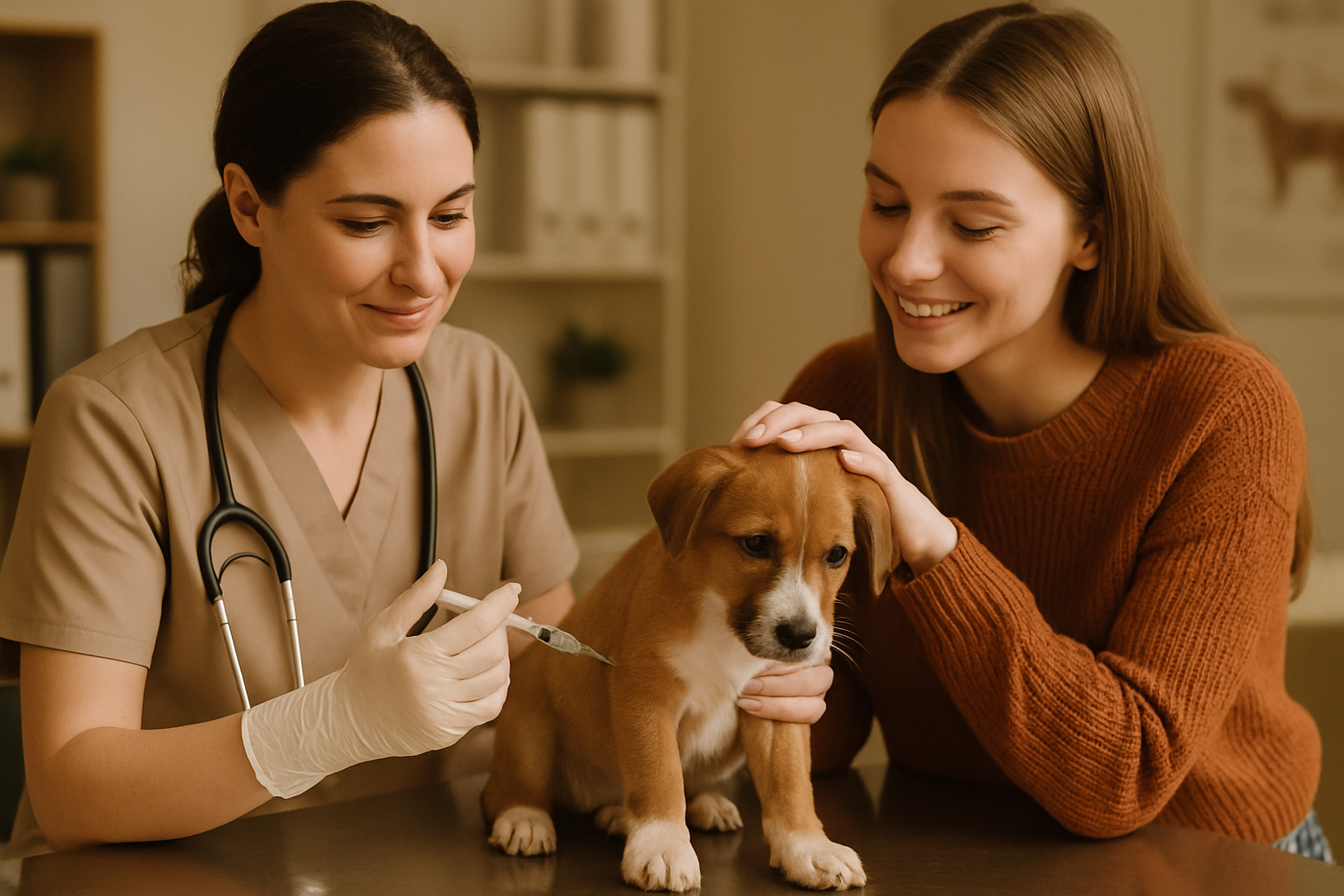
Why Puppy Vaccinations Matter: The Foundation of Lifelong Health
When you welcome a new puppy into your home, one of the most important responsibilities you'll undertake is establishing a solid vaccination foundation. While puppies receive some protective antibodies through their mother's milk, these maternal defenses gradually fade, typically within the first few weeks of life. [2] Without proper vaccination, your puppy becomes vulnerable to serious, potentially fatal diseases that are entirely preventable.
Think of puppy vaccinations as an investment in your dog's future. The time and effort you invest now in following a proper vaccination schedule can save you from heartbreak, expensive emergency veterinary bills, and countless hours of stress down the road. [1] Diseases like parvovirus, distemper, and rabies can be devastating, but they're also among the most preventable threats to your puppy's health.
Beyond protecting your individual puppy, vaccinations contribute to community health by reducing the spread of contagious diseases among dogs. When you vaccinate your puppy, you're not just protecting them—you're helping protect all the dogs they'll encounter throughout their life.
When to Start: The Puppy Vaccination Timeline
Most puppies should begin their vaccination journey between 6 and 8 weeks of age. [2] This timing is strategic—it's when maternal antibodies have declined enough that vaccines can be effective, but your puppy still has some protection. Your veterinarian will schedule these initial visits approximately every 3 to 4 weeks, typically continuing until your puppy reaches 16 weeks of age. [4]
The exact timing can vary based on your puppy's individual health status, breed, and any pre-existing conditions. This is why scheduling that first veterinary appointment as soon as you bring your puppy home is essential. Your vet will assess your puppy's current health status and create a personalized vaccination plan tailored to their specific needs. [3]
Don't be discouraged by the number of appointments required during this period. While multiple visits might seem inconvenient, they represent the most effective way to build your puppy's immune system and ensure comprehensive protection. [1]
Understanding Core vs. Non-Core Vaccines
Not all vaccines are created equal, and your veterinarian will recommend different vaccines based on your puppy's lifestyle and risk factors. Understanding the distinction between core and non-core vaccines helps you make informed decisions about your puppy's health.
Core Vaccines: Non-Negotiable Protection
Core vaccines are essential for every puppy, regardless of lifestyle or location. These vaccines protect against the most widespread, severe, and contagious diseases. [2] They form the backbone of any puppy vaccination program and are typically legally required in most jurisdictions.
- DHPP (Distemper, Hepatitis, Parainfluenza, and Parvovirus): This combination vaccine is the cornerstone of puppy protection. [1] Distemper is a highly contagious virus attacking the respiratory, nervous, and gastrointestinal systems with no cure available. [2] Parvovirus is particularly dangerous for young puppies under four months old, causing severe vomiting, bloody diarrhea, and rapid dehydration. [4] Hepatitis (caused by Canine Adenovirus) affects the liver and can cause jaundice, vomiting, and organ damage. Parainfluenza contributes to kennel cough and upper respiratory infections. This vaccine is administered in multiple doses starting at 6-8 weeks, with boosters continuing through 16 weeks of age.
- Rabies: This vaccine is mandatory in virtually all locations and for good reason—rabies is a fatal disease affecting the brain and nervous system in both dogs and humans. [2] Once symptoms appear, rabies is essentially 100% fatal. There is no cure, only prevention through vaccination. Most states and provinces require rabies vaccination by law, and your puppy typically receives their first rabies vaccine around 12-16 weeks of age, with a booster one year later.
Non-Core Vaccines: Tailored to Your Puppy's Lifestyle
Non-core vaccines are recommended based on your puppy's individual risk factors, geographic location, and lifestyle. Your veterinarian will discuss which of these might be appropriate for your specific situation.
- Bordetella (Kennel Cough): This vaccine is recommended for puppies who will frequently interact with other dogs in kennels, daycare centers, dog parks, or training classes. [2] Kennel cough is a highly contagious upper respiratory infection caused by the Bordetella bronchiseptica bacteria. While not typically life-threatening, it can be uncomfortable and is highly transmissible in group settings.
- Leptospirosis: This bacterial disease is transmitted through contaminated water, soil, or infected rodents and affects the kidneys and liver. [4] If your puppy will have access to outdoor water sources or live in an area with known leptospirosis cases, your vet may recommend this vaccine. This is particularly important because leptospirosis is a zoonotic disease, meaning it can spread from animals to humans.
- Canine Influenza (Dog Flu): This vaccine is recommended for dogs in high-exposure environments, particularly those who will attend dog parks, daycare, or training facilities. [2] Canine influenza is highly contagious and can cause respiratory illness.
- Lyme Disease: If you live in a tick-prone area or plan to spend significant time outdoors in regions where Lyme disease is prevalent, your veterinarian may recommend this vaccine. [2]
A Typical Puppy Vaccination Schedule
While your veterinarian may adjust this schedule based on your puppy's individual needs, here's what a typical vaccination timeline looks like:
- 6-8 weeks: First DHPP vaccine, first Bordetella vaccine (if recommended)
- 10-12 weeks: Second DHPP vaccine, second Bordetella vaccine (if recommended)
- 14-16 weeks: Third DHPP vaccine, first Rabies vaccine, Leptospirosis vaccine (if recommended)
- 12 months: DHPP booster, Rabies booster, Bordetella booster (if applicable)
After this initial series, your adult dog will typically need booster vaccinations annually or every three years, depending on the specific vaccine and your veterinarian's recommendations. [2]
What to Expect During Vaccination Visits
Understanding what happens during your puppy's vaccination appointments can help you feel more prepared and confident. [4]
The Complete Physical Examination
Before your puppy receives any vaccines, your veterinarian will conduct a thorough physical examination to ensure they're healthy enough for vaccination. This comprehensive check includes:
- Weight assessment to verify normal growth and development
- Examination of eyes, ears, teeth, gums, nose, feet, joints, nails, skin, and coat
- Heart and lung evaluation to rule out genetic anomalies
- Assessment of movement and reflexes for neurological health
- Temperament evaluation to understand your puppy's emotional and psychological state
- Organ palpation to check lymph nodes and abdominal organs for abnormalities
- Possible collection of stool samples to screen for parasites
Vaccine Administration and Monitoring
Once your vet confirms your puppy is healthy, they'll administer the appropriate vaccines. Your veterinarian may observe your puppy for a short period afterward to monitor for any adverse reactions. This is an excellent time to ask questions about your puppy's development, nutrition, behavior, parasite prevention, and socialization needs.
Managing Vaccine Side Effects: What's Normal?
Vaccines are rigorously tested for safety and efficacy. [2] The vast majority of puppies experience no side effects whatsoever, and serious reactions are exceptionally rare. [1]
Mild, Expected Reactions
Some puppies may experience very mild, temporary reactions that resolve within 24-48 hours:
- Slight swelling or tenderness at the injection site
- Temporary lethargy or decreased activity
- Mild fever
- Slight decrease in appetite
These mild reactions actually indicate that your puppy's immune system is responding to the vaccine, which is exactly what you want to happen.
Breed-Specific Sensitivities
Certain breeds, including German Shepherds, Collies, and some sheepdogs, are known to have sensitivities to specific vaccine ingredients. [1] If your puppy is one of these breeds or has a history of allergies, inform your veterinarian before vaccination. Your vet can skip vaccines containing ingredients your dog may react to and adjust the vaccination plan accordingly.
When to Contact Your Veterinarian
While severe reactions are uncommon, contact your veterinarian immediately if your puppy experiences:
- Facial swelling or difficulty breathing
- Persistent vomiting or diarrhea
- Severe lethargy lasting more than 24 hours
- Hives or rash
- Collapse or loss of consciousness
Special Considerations for Your Puppy
Very Young Puppies
Puppies younger than 6 weeks may not be eligible for certain vaccines because their immune systems aren't developed enough to mount an effective response. [1] Your veterinarian will advise when it's appropriate to begin vaccinations.
Compromised Immune Systems
Puppies with compromised immune systems or certain health conditions may not be candidates for all vaccines. [1] Your vet will work with you to create a modified vaccination plan that maximizes protection while accounting for your puppy's health status.
Missed or Delayed Vaccines
Life happens, and sometimes appointments get missed. If your puppy has missed a vaccine dose, don't panic. Your veterinarian can adjust the schedule to ensure your puppy remains protected. Missing a dose may reduce its effectiveness, but your vet can help get your puppy back on track. [2]
Vaccination Records and Legal Requirements
Keep detailed records of all your puppy's vaccinations. You'll need these records for:
- Boarding facilities and dog daycare centers
- Dog training classes and group activities
- Travel across state or national borders
- Legal proof of rabies vaccination (often required by law)
- Future veterinary care
Ask your veterinarian for copies of vaccination certificates and keep them in a safe place. Many vets now offer digital records that you can access online.
Beyond Vaccinations: Comprehensive Puppy Health
While vaccinations are crucial, they're just one component of comprehensive puppy healthcare. During your vaccination visits, discuss these important topics with your veterinarian:
- Parasite Prevention: Deworming and flea/tick prevention are essential parts of puppy health
- Nutrition: Proper diet supports immune function and healthy development
- Dental Health: Early dental care establishes lifelong habits
- Socialization: Safe socialization during the vaccination period is important for behavioral development
- Exercise Needs: Age-appropriate activity supports physical development
- Grooming and Hygiene: Regular grooming prevents skin and coat problems
Creating Your Puppy's Vaccination Plan
Every puppy is unique, and your veterinarian will create a personalized vaccination plan considering:
- Your puppy's age and breed
- Your geographic location and local disease prevalence
- Your puppy's intended lifestyle (urban vs. rural, indoor vs. outdoor)
- Plans for socialization, training, and group activities
- Any pre-existing health conditions or breed-specific concerns
- Your travel plans and exposure risks
This personalized approach ensures your puppy receives optimal protection without unnecessary vaccines.
The Long-Term Benefits of Following the Schedule
Adhering to your puppy's vaccination schedule provides benefits that extend far beyond the puppy stage. [1] Puppies who receive complete vaccinations have:
- Stronger, more reliable immunity against serious diseases
- Better protection throughout their adult years
- Reduced risk of costly emergency veterinary care
- Greater eligibility for boarding, training, and social activities
- Contribution to community health and disease prevention
Your Action Plan: Next Steps
Ready to get your puppy protected? Here's what to do right now:
- Schedule a veterinary appointment immediately if you haven't already. Ideally, this should happen within the first week of bringing your puppy home.
- Bring any available health records from the breeder or shelter, including information about the puppy's mother and any previous veterinary care.
- Prepare a list of questions about your puppy's specific vaccination needs, lifestyle risks, and health concerns.
- Discuss your puppy's lifestyle with your vet so they can recommend appropriate core and non-core vaccines.
- Mark your calendar with follow-up appointment dates and set phone reminders.
- Keep detailed records of all vaccines administered and any reactions observed.
- Ask about booster schedules for your adult dog before you leave each appointment.
Final Thoughts: Investing in Your Puppy's Future
Following a proper puppy vaccination schedule is one of the most important investments you can make in your new companion's health and longevity. While the initial series of appointments requires time and commitment, the protection and peace of mind you gain are immeasurable. By working closely with your veterinarian and staying committed to the vaccination timeline, you're giving your puppy the best possible start in life and setting the foundation for years of healthy, happy companionship.
Your veterinarian is your partner in this process. Don't hesitate to ask questions, express concerns, or discuss any aspect of your puppy's vaccination plan. Together, you'll ensure your new family member receives the protection they deserve.
Sources & References
- https://www.wellesleynatickveterinaryhospital.com/site/blog/2023/12/15/puppy-shots-schedule
- https://www.eglintondufferinanimalclinic.com/blog/1302962-the-ultimate-puppy-shot-guide-understanding-the-dog-vaccination-schedule
- https://www.dellsanimalhospital.net/site/blog/2023/08/30/puppy-vaccination-schedule
- https://blepworld.com/blogs/guide/puppy-vaccination-schedule-guide