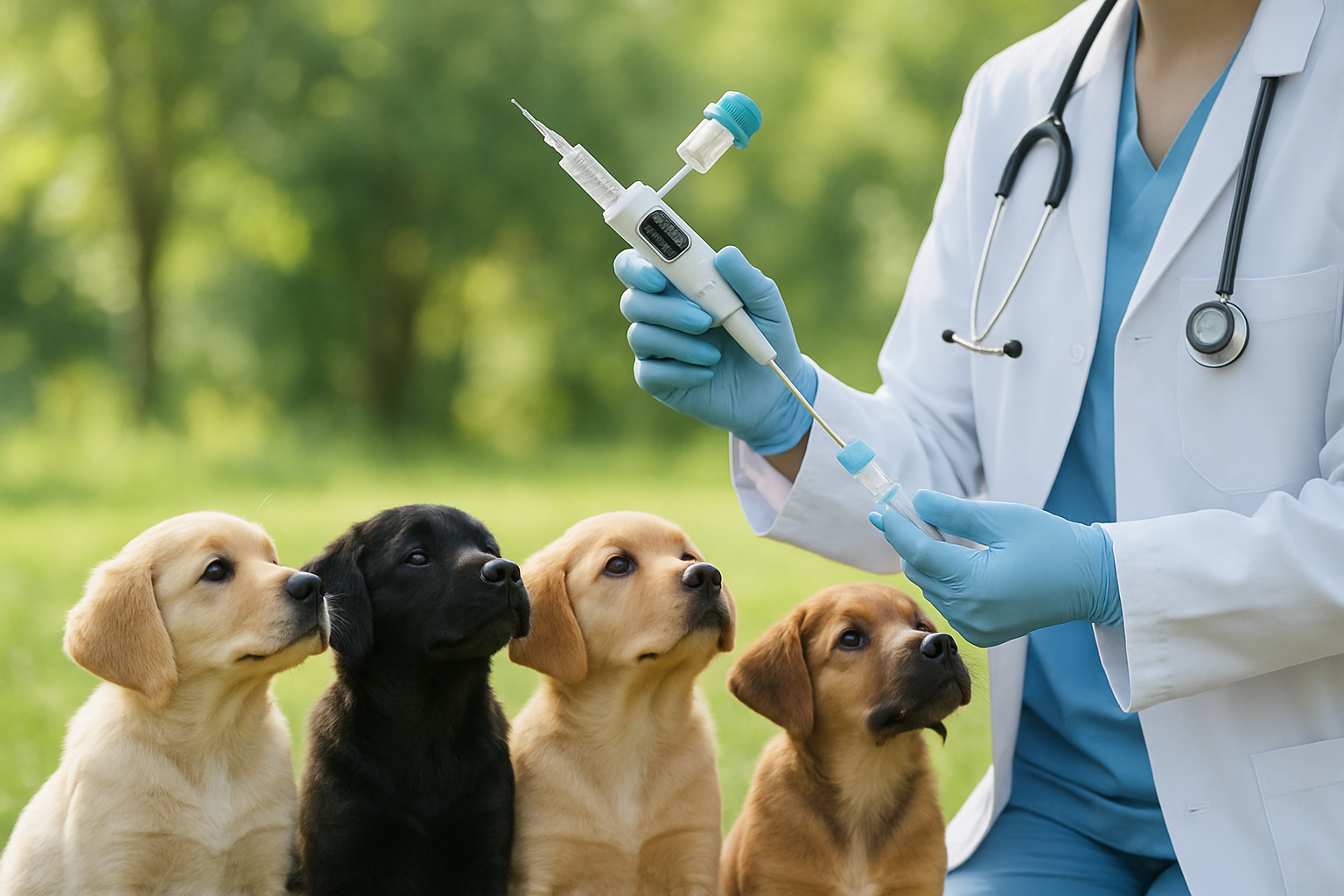
Why Puppy Vaccinations Matter More Than You Think
When you welcome a new puppy into your home, you're taking on the responsibility of protecting a vulnerable family member. Young puppies have developing immune systems that haven't yet built defenses against serious, potentially life-threatening diseases. This is where vaccinations become your puppy's first line of defense. [4]
Think of vaccinations as an investment rather than an expense. The cost of preventing diseases through vaccines is significantly lower than treating the illnesses themselves. More importantly, many of these diseases have no cure—only supportive care. By vaccinating your puppy on schedule, you're not just saving money; you're potentially saving your puppy's life. [1]
Puppies are born with maternal antibodies passed from their mother, but this protection fades within the first few weeks of life. This creates a critical window where your puppy is vulnerable. A properly timed vaccination schedule ensures continuous protection during this vulnerable period and builds lifelong immunity.
Understanding Your Puppy's Vaccination Schedule
The standard puppy vaccination protocol typically begins when your puppy is between 6 to 8 weeks old and continues through approximately 16 weeks of age. However, it's important to understand that every puppy is unique. [2] Your veterinarian will customize the schedule based on your puppy's age, breed, location, and lifestyle factors.
Here's what a typical first-year vaccination timeline looks like:
- 6-8 Weeks Old: First DHPP vaccine (protects against distemper, adenovirus, parainfluenza, and parvovirus) and Bordetella vaccine [2]
- 10-12 Weeks Old: Second DHPP vaccine booster and Bordetella booster [2]
- 14-16 Weeks Old: Third DHPP vaccine booster and first rabies vaccine [4]
- 12-16 Weeks Old: Begin heartworm prevention medication (no vaccine exists, but prevention is critical) [5]
- 1 Year Old: Rabies booster and DHPP booster [4]
This schedule provides overlapping protection as maternal antibodies decline, ensuring your puppy is never left unprotected during the critical early weeks.
The Core Vaccines Every Puppy Needs
DHPP: The Four-in-One Protection
The DHPP vaccine is considered essential for all puppies and is typically the foundation of your vaccination plan. This combination vaccine protects against four serious diseases: [2]
- Distemper: A severe, highly contagious viral disease affecting the respiratory, gastrointestinal, and nervous systems. It causes fever, coughing, vomiting, diarrhea, and can lead to seizures and death. There is no cure—only supportive care. [5]
- Adenovirus (Infectious Canine Hepatitis): A highly contagious viral infection affecting the liver, kidneys, spleen, lungs, and eyes. Symptoms range from mild fever to severe jaundice, vomiting, and organ damage. [5]
- Parainfluenza: A respiratory virus that contributes to kennel cough and other respiratory infections in dogs. [5]
- Parvovirus: An extremely contagious virus that attacks the gastrointestinal system, causing severe vomiting, diarrhea, and potentially fatal dehydration, especially in young puppies. [1]
Rabies Vaccination: Non-Negotiable Protection
Rabies vaccination is not just recommended—it's legally required in most areas. This vaccine is typically given when your puppy reaches 14-16 weeks of age, followed by a booster at one year old. [4] Rabies is fatal once clinical signs appear, making prevention absolutely critical.
Bordetella: The Kennel Cough Protection
Bordetella is a bacterium that causes kennel cough, characterized by severe coughing, whooping, vomiting, and in rare cases, seizures. If you plan to board your puppy, attend group training classes, or use daycare services, proof of this vaccination is often required. [5] This vaccine is typically given as an intranasal spray or injection starting at 6-8 weeks old. [1]
Non-Core Vaccines: Lifestyle-Dependent Protection
Beyond the core vaccines, your veterinarian may recommend additional vaccines based on your puppy's specific lifestyle and geographic location. These non-core vaccines address regional disease risks and individual exposure factors. [4]
Common non-core vaccines include protection against canine coronavirus, Leptospirosis, and Lyme disease. Your veterinarian is the best resource for determining which of these vaccines your puppy should receive based on where you live and your puppy's activities.
The Heartworm Prevention Essential: Not a Vaccine, But Critical
While heartworm disease isn't prevented through vaccination, it's one of the most important preventive measures you'll implement. There is no heartworm vaccine for dogs; instead, prevention relies on regular medication prescribed by your veterinarian. [5]
Heartworms are transmitted by mosquitoes and can grow up to 14 inches long, lodging in the heart and pulmonary arteries. Infected dogs may experience coughing, lethargy, loss of appetite, and difficulty breathing. Prevention is far simpler than treatment. When your puppy reaches 12-16 weeks of age, discuss heartworm prevention options with your veterinarian. [5]
Deworming: An Often-Overlooked Essential
Many new puppy owners focus solely on vaccines and forget about deworming—a critical oversight. Puppies are frequently born with parasitic worms passed from their mother, and they can pick up additional parasites from their environment. These parasites cause malnutrition, anemia, and in severe cases, can be fatal. [1]
A proper deworming protocol should follow this timeline: [1]
- Start deworming between 2-3 weeks of age
- Repeat every 2-3 weeks until 12 weeks old
- Continue every 3-6 months after 12 weeks, depending on environmental risk factors
Deworming medications come in various forms—tablets, liquids, or pastes—and your veterinarian will recommend the best option for your puppy. It's essential to follow instructions carefully and ensure your puppy completes the full course of medication to eliminate all parasites. [1]
Breed-Specific Considerations and Vaccine Sensitivities
While vaccines are generally very safe, some dog breeds show increased sensitivity to specific vaccine ingredients. Certain breeds, including German Shepherds, Collies, and some sheepdogs, may experience adverse reactions to particular vaccines. [Source 1, 4]
If your puppy has a known sensitivity, your veterinarian can skip vaccines containing problematic ingredients and may recommend alternative formulations. This is why the initial veterinary consultation is so important—discuss your puppy's breed and any known sensitivities with your vet. [1]
What to Expect: Mild Side Effects Are Normal
Most puppies tolerate vaccinations extremely well. The vast majority experience no side effects at all. When mild reactions do occur, they're typically minor and short-lived, including slight lethargy, mild fever, or temporary loss of appetite. [4]
True allergic reactions are rare but can happen. Signs include facial swelling, hives, difficulty breathing, or collapse. If your puppy shows any of these symptoms within hours of vaccination, contact your veterinarian immediately. [4]
Most puppies feel completely normal after vaccination and can resume regular activities. Some veterinarians recommend light activity for 24-48 hours following vaccination, but this varies by clinic.
Creating Your Puppy's Vaccination Calendar
Organization is key to staying on track with your puppy's vaccination schedule. Here's how to create a system that works:
- Schedule appointments in advance: Book your next vaccination appointment before leaving your current vet visit. This prevents missed appointments and ensures consistent timing.
- Use digital reminders: Set phone alerts one week before each scheduled vaccination appointment.
- Keep detailed records: Request copies of your vaccination records from your veterinarian. You'll need these for boarding, training classes, and travel.
- Note the dates: Write vaccination dates in a calendar or pet health app to track the timeline.
- Plan for boosters: Understand that vaccinations require boosters throughout your dog's life. At one year old, your puppy will need a booster, and then boosters are typically given every 1-3 years depending on the vaccine. [2]
Customizing the Schedule for Your Puppy
Every puppy's situation is unique. Your veterinarian may recommend adjustments to the standard schedule based on: [Source 2, 4]
- Your puppy's age when first vaccinated
- Your geographic location and regional disease prevalence
- Your puppy's lifestyle (indoor vs. outdoor, socialization plans, travel)
- Any pre-existing health conditions
- Your puppy's breed and known sensitivities
- Maternal antibody levels (sometimes measured via titer tests)
This is why the relationship with your veterinarian is invaluable. They understand your local disease landscape and can tailor recommendations specifically for your puppy. [4]
Beyond the First Year: Long-Term Immunity
Completing your puppy's first-year vaccination series isn't the end of the story—it's the beginning of lifelong protection. After the initial series, your adult dog will need booster vaccinations to maintain immunity. [2]
Rabies boosters are often required every 1-3 years depending on local regulations and the vaccine used. DHPP boosters are typically given every 1-3 years. Your veterinarian will advise you on the appropriate booster schedule for your adult dog and may recommend titer testing (blood tests measuring antibody levels) to determine if boosters are truly necessary.
Key Takeaways for New Puppy Parents
Protecting your puppy through vaccinations is one of the most important decisions you'll make as a dog owner. Here's what you need to remember:
- Start vaccinations early (6-8 weeks) and follow through with the complete series
- The DHPP vaccine, rabies vaccine, and Bordetella protection form the foundation of puppy health
- Don't forget about deworming—it's equally important as vaccinations
- Begin heartworm prevention by 12-16 weeks of age
- Work closely with your veterinarian to customize the schedule for your puppy's specific needs
- Keep detailed records and stay organized with appointment scheduling
- Understand that booster vaccinations continue throughout your dog's life
- Mild side effects are normal; serious reactions are rare but require immediate veterinary attention
By investing in a proper vaccination schedule now, you're giving your puppy the strongest possible foundation for a long, healthy, and happy life together. Your veterinarian is your partner in this journey—don't hesitate to ask questions and discuss any concerns about your puppy's health and vaccination plan.
Sources & References
- https://www.shattovet.com/site/blog/2023/05/15/puppy-vaccination-schedule
- https://www.dellsanimalhospital.net/site/blog/2023/08/30/puppy-vaccination-schedule
- https://www.millerclarkanimalhospital.com/site/blog/2023/09/15/essential-puppy-vaccinations-first-year
- https://www.akc.org/expert-advice/health/puppy-shots-complete-guide/