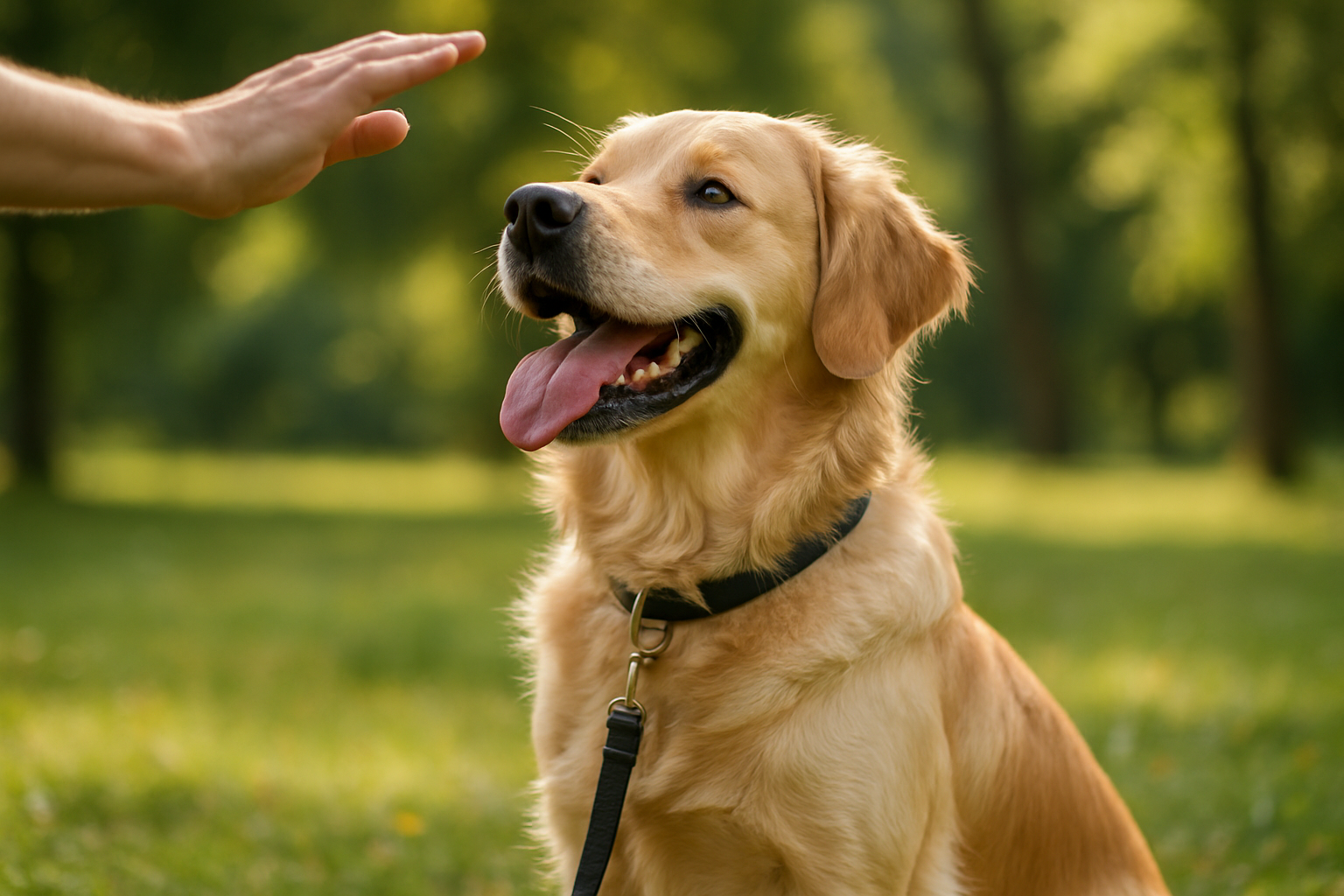
Puppy Play Ideas: A Complete Activity Guide for Every Stage
You've brought home your new puppy, and they're bursting with energy. But here's the challenge: knowing exactly what to do with all that enthusiasm matters enormously. The play sessions you create now don't just tire out your puppy—they shape behaviour, build confidence, and lay the foundation for a well-adjusted adult dog.
The problem many new owners face is that unstructured play can actually create problems. Without the right activities for their developmental stage, puppies can become overstimulated, develop destructive habits, or miss critical learning windows. This guide breaks down exactly what your puppy needs at each stage and how to deliver it safely.
Understanding Your Puppy's Developmental Stages
Puppies don't all need the same activities. Their brains, bodies, and learning capacities change dramatically from week to week. Understanding these stages helps you choose play activities that match their current abilities and prevent both boredom and overwhelm. [1]
Early Stage (0-4 weeks): Newborn puppies spend most of their time nursing and sleeping. Play capacity is extremely limited. Gentle handling and brief, calm interactions are more appropriate than structured games.
Socialisation Window (4-12 weeks): This is your critical window. Puppies become increasingly curious and begin learning social skills. Research shows that puppies exposed to varied play experiences during this period develop fewer behavioural problems as adults. [1] This is the time to introduce different textures, gentle games, and safe exploration.
Juvenile Phase (3-6 months): Energy levels spike noticeably. Your puppy's coordination improves, and they're ready for more challenging activities. This is when you can introduce slightly more intense games while still keeping sessions short.
Adolescence (6-18 months): Your puppy now has the physical capability and cognitive ability for advanced games. They test boundaries more, have higher energy demands, and benefit from structured activities that channel their enthusiasm productively.
Play Activities for Young Puppies (8-16 Weeks)
During the critical socialisation window, your focus should be on building confidence, introducing variety, and keeping sessions brief and positive. [1]
Gentle Retrieval Games
Start with soft, lightweight toys and keep throws low and short. The goal isn't perfecting retrieval—it's building interest and enthusiasm.
- Use soft toys your puppy can easily carry in their mouth
- Throw the toy just a few feet away
- Celebrate any interest shown, even if they don't bring it back immediately
- Keep sessions to 5-10 minutes maximum
- Always end on a positive note while they still want to play
Sensory Exploration Activities
Puppies learn about their world through their senses. Creating safe exploration opportunities builds confidence and resilience. [5]
- Texture Exploration: Introduce different surfaces like carpet, rubber mats, bubble wrap, and crinkly paper. Hide a few treats among these textures and encourage your puppy to explore with the cue "Find it." Supervise closely to ensure they don't chew and swallow non-food items.
- Sniffari Walks: Scatter your puppy's regular kibble along the ground during a short walk. Use the "Find it" cue and praise enthusiastically as they search. This provides mental stimulation while keeping excitement manageable. [5]
- Sound Exposure: Play recordings of household and outdoor sounds at low volume while your puppy plays or chews. This gradual exposure helps prevent noise sensitivity later in life. Pair sounds with positive experiences like treats or appropriate chewing items. [5]
Name Recognition Games
Building a strong response to their name is foundational for safety and training.
- Call your puppy's name in a happy, excited voice
- Immediately reward with a high-value treat when they look at you
- Gradually increase the distance and add mild distractions
- Keep sessions short (5 minutes) and always end with success
Beginner Hide and Seek
This game builds problem-solving skills and strengthens your bond.
- Have a family member hold your puppy while you hide nearby (behind a couch or in the next room)
- Call your puppy excitedly and show them a treat
- When they find you, celebrate enthusiastically and give the treat
- Gradually increase hiding difficulty as they improve
Activities for Growing Puppies (4-6 Months)
As your puppy's coordination and focus improve, you can introduce more challenging activities that require problem-solving and controlled energy release. [1]
Advanced Fetch Variations
Build on basic retrieval with more complexity:
- Introduce different toy types (balls, ropes, plush toys) to vary texture and movement
- Vary throwing distance and direction
- Practice "drop it" commands during the game, rewarding immediately when they release
- Pause mid-game for quick "sit" or "stay" practice before continuing
Flirt Pole Play
A flirt pole—a pole with a toy attached to a rope—provides excellent energy release while teaching impulse control. [1]
- Move the toy unpredictably to encourage chase and pounce
- Periodically stop and require a "sit" or "wait" before restarting
- Keep sessions to 10-15 minutes to avoid overexertion
- Always supervise to prevent tangling
Treat-Finding Games
Hide treats around a room and encourage your puppy to find them using the "Find it" cue. Gradually increase difficulty by hiding treats in more challenging spots or using a scent game with a specific toy.
Home Obstacle Courses
Create simple courses using household items:
- Cushions to jump over or navigate around
- Cardboard boxes to crawl through
- Tunnels (or a children's play tunnel) to explore
- Low jumps for coordination practice
Keep obstacles low and safe. The goal is fun exploration, not athletic achievement.
Mental Stimulation: The Often-Overlooked Essential
Physical play alone isn't enough. Mental stimulation prevents boredom and the destructive behaviours that follow, while building problem-solving abilities. [1]
Food Puzzles and Enrichment Toys
Interactive toys that require problem-solving keep puppies engaged while supporting cognitive development:
- Kong Toys: Fill with treats, kibble, or frozen wet food for extended engagement
- Snuffle Mats: Hide treats in fabric strips for natural foraging behaviour
- Treat-Dispensing Toys: Require manipulation to release rewards
- DIY Hide-and-Seek: Place treats inside a shallow box filled with crumpled paper to mimic natural foraging. [5]
Tip: Avoid toys that dispense treats too easily—they won't hold your puppy's attention long enough to provide meaningful mental stimulation.
Scent Games
Leverage your puppy's incredible sense of smell:
- Hide treats under cups and teach them to nose the correct cup
- Hide a favourite toy and use "Find it" commands
- Scatter treats in grass during outdoor play
- Create a "treasure hunt" around your home with hidden rewards
Integrating Training Into Play
Here's something powerful: puppies learn commands 40% faster when they're incorporated into play rather than taught in isolated training sessions. [1] This means your play sessions are actually training sessions—and that's excellent news.
Practical Integration Strategies
- Pause-and-Command: During fetch, pause the game and ask for "sit" or "stay" before throwing again. This teaches impulse control while maintaining engagement.
- Drop-It Practice: End tug-of-war games with a "drop it" command, then immediately reward with praise or treat continuation. [1]
- Hand-Targeting: Teach your puppy to touch your hand with their nose. This builds focus and can be used to develop recall games like "Ping Pong." [5]
- Named Toy Retrieval: Teach your puppy the names of different toys, then play retrieval games asking for specific toys by name. [5]
Operant Conditioning in Play
Use play to reinforce desired behaviours:
- Positive Reinforcement: When your puppy plays appropriately (gentle mouthing, controlled excitement), continue the game. This teaches them that good play gets rewarded with more play.
- Negative Punishment: When your puppy bites too hard or plays roughly, pause the game for 30 seconds. This teaches them that inappropriate play ends the fun. Resume only when they're calm. [1]
Critical Safety Considerations
Keeping play safe protects your puppy and ensures positive experiences:
- Inspect Toys Regularly: Check for torn seams, loose stuffing, or damaged parts that could be swallowed. Replace worn toys immediately.
- Supervise All Play: Especially with new toys or during unsupervised play sessions, accidents happen quickly. Always watch your puppy.
- Create Safe Play Areas: Remove hazards like electrical cords, toxic plants, small objects, and anything with sharp edges.
- Monitor Energy Levels: End sessions before your puppy becomes exhausted. Overtired puppies become overstimulated and may display unwanted behaviours like excessive nipping or jumping.
- Avoid Overstimulation: Watch for signs of over-excitement (inability to settle, excessive barking, frantic jumping). Calm play is better than chaotic play. [5]
- Skip These Activities: Avoid games with unpredictable loud noises like popping balloons, as these can create anxiety rather than confidence. [5]
Managing Natural Puppy Biting During Play
Biting is completely normal during play. Your job isn't to eliminate it—it's to teach bite inhibition and appropriate targets.
- When teeth touch your skin during play, say "ouch" in a normal (not exaggerated) voice
- Pause the game for 30 seconds
- Resume play only when your puppy is calm
- Provide appropriate chewing items (toys, chews) and redirect mouthing to these items
- Praise heavily when your puppy chews toys instead of your hands
Creating a Sustainable Play Routine
Consistency matters more than intensity. A daily routine of varied, age-appropriate play builds better development than occasional intense sessions.
Sample Daily Schedule (4-6 Month Puppy)
- Morning: 10-minute fetch or retrieval game + 5-minute name recognition practice
- Midday: 15-minute puzzle toy or snuffle mat engagement
- Afternoon: 10-minute sniffari walk or texture exploration
- Evening: 10-minute flirt pole or obstacle course + 5-minute training through play
- Before Bed: Calming activity like lick mat or long-lasting chew
Adjust timing and intensity based on your puppy's age, energy level, and individual needs.
Key Takeaways for Puppy Play Success
- Match activities to your puppy's developmental stage—early puppies need gentle, brief sessions; older puppies need more challenge and duration
- Use the critical socialisation window (8-16 weeks) to expose your puppy to varied experiences that build confidence
- Combine physical play with mental stimulation through puzzles, scent games, and problem-solving activities
- Integrate training into play—puppies learn faster when commands are taught during games rather than in isolation
- Supervise all play and watch for signs of overstimulation, ending sessions before exhaustion
- Teach bite inhibition through consistent, calm feedback during mouthing
- Keep play sessions short and frequent rather than long and intense
- Always prioritise safety by inspecting toys, removing hazards, and avoiding games that create anxiety
The play you create with your puppy now isn't just entertainment—it's an investment in their physical health, emotional stability, and behaviour. By choosing activities matched to their stage and keeping sessions safe and positive, you're building the foundation for a confident, well-adjusted adult dog who enjoys learning and connecting with you.