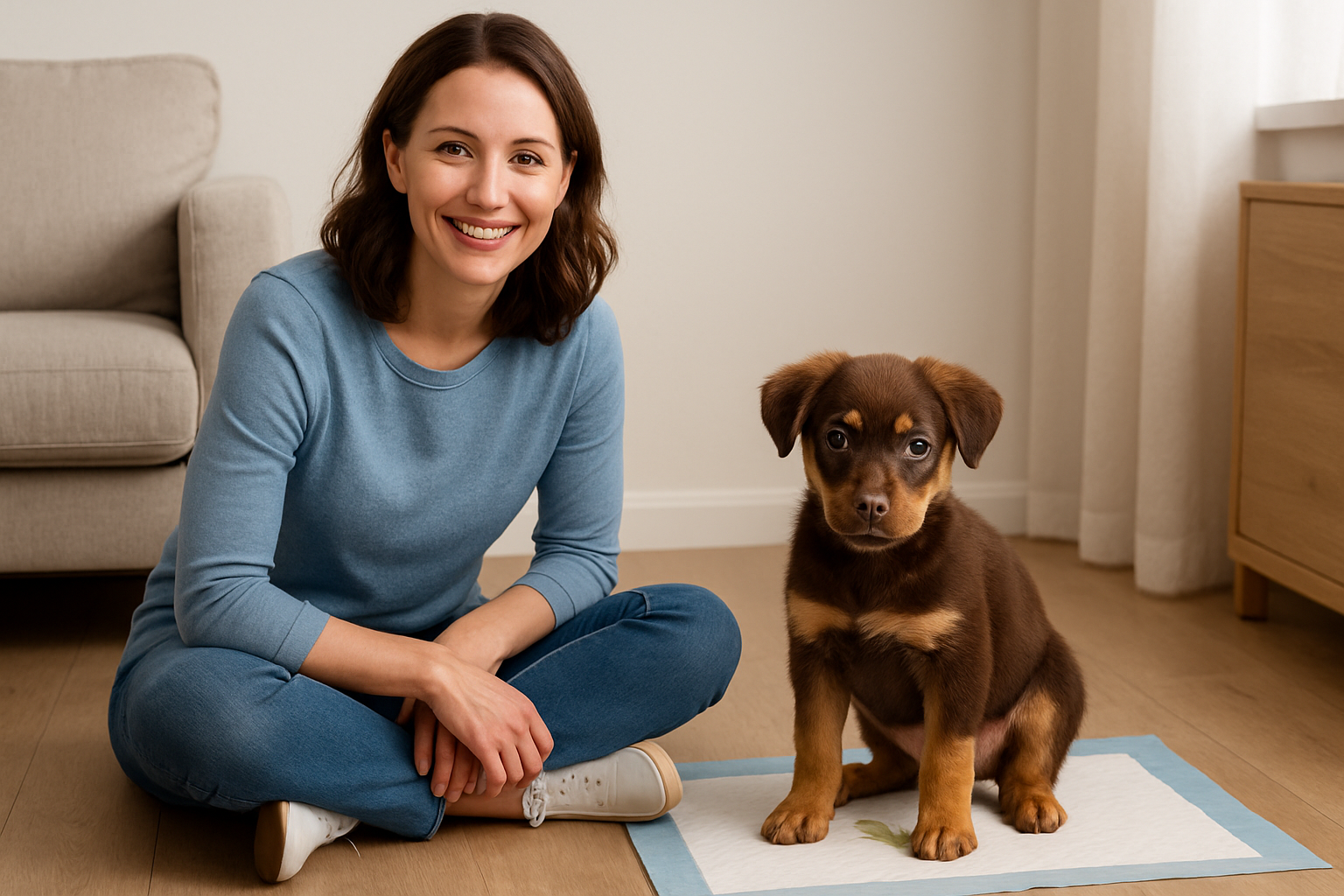
Dog potty training is one of the most important skills you'll teach your puppy, and it relies on two critical pillars: effective reward systems that motivate your pup and recognizing common mistakes that sabotage progress. Many owners unknowingly reinforce bad habits or use inconsistent techniques, extending the housebreaking timeline unnecessarily. This guide breaks down the reward strategies that actually work, the pitfalls to avoid, and proven methods to get your puppy potty trained faster. Whether you're starting fresh or troubleshooting accidents, you'll learn how to set your puppy up for success with veterinary-backed approaches.[1]
Complete Puppy Potty Training Guide: Everything New Owners Need to Know
Bringing home a new puppy is thrilling—until you discover a puddle on your living room carpet. Potty training is one of the most crucial skills you'll teach your furry friend, and with the right approach, it doesn't have to be a nightmare. Whether you're a first-time dog owner or adding another pup to your family, this guide will equip you with everything you need to successfully housetrain your puppy.
Understanding Your Puppy's Bathroom Needs
Before diving into training techniques, it's essential to understand how a puppy's body works. Young puppies have limited bladder control and cannot hold their urine or feces for extended periods. This isn't stubbornness—it's biology. [1] Most puppies need bathroom breaks frequently throughout the day, and they'll naturally need to go after certain activities.
Your puppy will typically need to relieve themselves in these situations:
- Within 15-30 minutes after eating
- Immediately after waking up from sleep or naps
- After playtime or exercise
- Before bedtime
- During the night (young puppies may need 1-2 breaks)
One critical mistake many new owners make is waiting for their puppy to show obvious signs they need to go. [1] While some puppies will circle, sniff, or whine, many won't give you clear signals until they're older. Instead of relying on these cues, be proactive and take your puppy out on a consistent schedule.
The Ideal Age to Start Potty Training
Timing matters when it comes to potty training. [3] Most puppies are ready to begin training between 12-16 weeks of age, as this is when they start developing better bladder control. However, some sources suggest beginning as early as 8 weeks. [5]
The key is understanding that very young puppies (under 12 weeks) simply lack the physiological ability to hold it for long periods. If you start too early, your puppy won't benefit much from the training. That said, establishing routines and introducing the concept of designated bathroom areas can begin whenever you bring your puppy home.
Don't worry if your puppy is older than 16 weeks and hasn't been trained yet. It's never too late to start—it may just require more patience and consistency.
Creating a Potty Training Schedule
Structure is the foundation of successful potty training. [1] A consistent schedule removes guesswork and helps your puppy develop predictable bathroom habits. Your schedule should coordinate feeding times, potty breaks, playtime, and rest periods.
General Potty Break Guidelines:
- 8-12 weeks old: Every 2-3 hours during the day, plus once or twice at night
- 3-4 months old: Every 3-4 hours during the day
- 4-6 months old: Every 4-6 hours during the day
- 6+ months old: Every 6-8 hours, moving toward adult schedule
[3] A helpful rule to remember is the "month plus one" concept: a 4-month-old puppy should theoretically be able to hold it for about 5 hours. Use this as a general guideline, but remember that individual puppies vary.
Sample Daily Schedule:
- 7:00 AM - Wake up and potty break
- 7:30 AM - Breakfast and water
- 8:00 AM - Potty break
- 8:30 AM - Playtime
- 10:00 AM - Potty break and nap time
- 12:00 PM - Wake up and potty break
- 12:30 PM - Lunch and water
- 1:00 PM - Potty break
- Repeat pattern for afternoon/evening
- Before bed - Final potty break
The more consistent you are with this schedule, the faster your puppy will learn. [1]
Crate Training: A Powerful Potty Training Tool
Many people hesitate at the idea of crate training, viewing it as cruel. However, when done correctly, crate training is one of the most effective potty training methods available. [3] Dogs are naturally den animals and instinctively avoid soiling their sleeping area.
Choosing the Right Crate:
Size matters significantly. [1] Your puppy's crate should be large enough for them to stand up, turn around, and lie down comfortably, but not so large that they can potty in one corner and sleep in another. If your crate is too big, your puppy may feel comfortable eliminating in it, defeating the purpose.
Using the Crate Effectively:
- Place the crate in your bedroom at night so you can hear if your puppy needs to go out
- Never use the crate as punishment
- Make it comfortable with blankets and toys
- During the day, use the crate during nap times and when you can't supervise
- Take your puppy out immediately after they exit the crate
[1] If your puppy is having accidents inside the crate, the crate is likely too large. Downsize and try again.
Choosing Your Potty Training Method
There are two primary approaches to puppy potty training: outdoor training and pad training. Your choice depends on your living situation, lifestyle, and long-term goals.
Outdoor Potty Training
This is the most traditional and ultimately most practical method. [2] Here's how to implement it:
- Select a designated spot: Choose a specific area in your yard where you want your puppy to eliminate. Consistency is crucial. [1]
- Use a short leash: During initial training, keep your puppy on a 4-6 foot leash and guide them to the designated spot. [1]
- Use a command word: Develop a consistent phrase like "go potty" or "do your business" and say it every time your puppy is in the designated area. [1] Over time, they'll associate the command with the behavior.
- Stay outside with them: Don't just let your puppy out and come back inside. Remain with them until they've completely finished, then immediately praise and reward. [3]
- Use the same door: Always use the same door to go outside. This helps your puppy learn the routine. [3]
Potty Pad Training
Pads are useful for apartment dwellers, elderly owners, or those with mobility limitations. [3] However, they should be a transitional tool, not a permanent solution.
- Placement: Position pads in an easily accessible area away from sleeping and eating spaces. [5]
- Guide your puppy: Lead them to the pad during scheduled potty times
- Reward success: Praise enthusiastically when they use the pad correctly
- Plan for transition: Eventually, gradually move the pad closer to the door and then outside, transitioning to outdoor training
Important note: [3] Pads should never be used as an excuse to leave your puppy unsupervised for extended periods or as a replacement for proper house training.
Positive Reinforcement: The Key to Success
How you respond to your puppy's bathroom behavior dramatically impacts training success. Positive reinforcement works exponentially better than punishment.
When Your Puppy Eliminates in the Right Place:
- Wait until they're completely finished before praising [1]
- Offer enthusiastic verbal praise: "Good potty!"
- Reward with high-value treats immediately
- Play a quick game or offer a favorite toy
- Keep celebrations brief and then bring them back inside
This immediate positive association helps your puppy understand that eliminating in the designated area results in wonderful things happening.
What NOT to Do:
- Never punish accidents by scolding or rubbing their nose in it [2]
- Don't use ammonia-based cleaners [1] (they smell like urine and encourage re-soiling)
- Avoid showing anger or frustration [1]
- Never confine your puppy as punishment for accidents
Punishment-based approaches backfire. [3] Your puppy may learn to hide when they need to eliminate, making training much harder and potentially leading to behavioral issues.
Managing and Learning From Accidents
Accidents are a completely normal part of puppy training. [1] Even with perfect consistency, some accidents will happen. How you handle them matters.
If You Catch Your Puppy in the Act
Make a noise to interrupt (clap or say "uh-oh"), then immediately take them to the correct potty spot. [2] Let them finish there, then praise. This teaches them the correct location without creating fear.
If You Discover an Accident After the Fact
There's nothing you can do to correct it. Your puppy won't understand punishment for something that happened hours ago. Instead:
- Clean it up thoroughly with an enzymatic cleaner [1]
- Soak the area and let it sit for 5-10 minutes [2]
- Use enzyme cleaners specifically designed for pet urine, as they neutralize scent rather than mask it [1]
- Repeat the cleaning process twice for stubborn spots [2]
- Avoid ammonia-based products, which can intensify urine smell [1]
Proper cleanup prevents your puppy from returning to the same spot to eliminate again.
Identifying Patterns
[2] Keep a log of when accidents occur. Note the time, what your puppy had eaten or drunk, and what they'd been doing. Patterns often emerge—maybe your puppy consistently has accidents two hours after eating, or always needs to go after playtime. Use these patterns to adjust your schedule.
Common Potty Training Challenges and Solutions
Your Puppy Won't Go During Scheduled Times
If your puppy doesn't eliminate during their scheduled potty break, [1] return them to the crate for 10-15 minutes, then try again. If this happens consistently, it's a sign your potty schedule intervals are too short. Gradually increase the time between breaks.
Frequent Accidents Despite Consistency
Before assuming a training problem, [3] consult your veterinarian. Urinary tract infections, parasites, dietary issues, or other health problems can cause house-soiling. Rule out medical issues first.
Your Puppy Seems Afraid to Eliminate
If your puppy appears anxious about bathroom breaks, you may have inadvertently created fear through punishment or negative reactions. Return to basics: take them out frequently, stay calm and patient, and celebrate successes enthusiastically.
Regression After Progress
Sometimes puppies who were doing well suddenly have accidents. This can happen during stressful periods, schedule changes, or when they're not feeling well. Return to a stricter schedule and more frequent breaks temporarily.
Teaching Your Puppy to Signal When They Need to Go
Once your puppy is reliably using their designated potty area, you can teach them to communicate their needs. [2] This prevents accidents and gives your puppy agency.
Popular Communication Methods:
- Bell training: Hang bells from the door your puppy uses to go outside. Gently tap their paw against them during potty breaks. Eventually, they'll ring them to alert you
- Button training: Teach your puppy to press a button that makes a sound, signaling they need out
- Bark on command: Some owners teach a specific bark that means "I need to go potty"
These methods take additional training but result in a puppy who can clearly communicate their needs.
Timeline: When Will Your Puppy Be Fully Trained?
Patience is essential. [3] Most puppies take between 4-6 months to become reliably housetrained, though some may take up to a year. Several factors influence timeline:
- Your puppy's age when training begins
- Consistency of your schedule and training
- Your puppy's individual temperament
- Health status
- Your training method
The more structure and consistency you provide early on, the faster your puppy will learn and the more freedom you can eventually grant them. [1]
Key Takeaways for Successful Potty Training
- Start with understanding: Know your puppy's biological needs and limitations
- Create structure: Develop a consistent schedule and stick to it religiously
- Use the right tools: Implement crate training and designate specific potty areas
- Reward success: Use immediate, enthusiastic positive reinforcement
- Never punish: Accidents are learning opportunities, not misbehavior
- Clean properly: Use enzymatic cleaners to completely eliminate scent markers
- Be consistent: Everyone in your household must follow the same approach
- Stay patient: Potty training takes time—celebrate small victories
- Consult professionals: If problems persist, work with a trainer or veterinarian
Potty training is one of the most important lessons you'll teach your puppy, and it requires patience, consistency, and compassion. While the process can feel overwhelming at times, remember that you're building the foundation for a well-adjusted, confident dog. Stay the course, celebrate successes, and don't let setbacks discourage you. Before long, you'll have a reliably housetrained companion, and those early potty training days will become a cherished memory of your puppy's journey to adulthood.
Sources & References
- https://www.thepuppyacademy.com/blog/2023/6/18/how-can-i-potty-train-my-new-puppy
- https://www.alphapaws.com/a-complete-guide-to-puppy-potty-training/
- https://www.pethonesty.com/blogs/blog/puppy-potty-training-101
- https://petwastegenie.com/blogs/tips-tricks/the-ultimate-guide-to-puppy-potty-training-from-pee-pee-pads-to-backyard-bliss