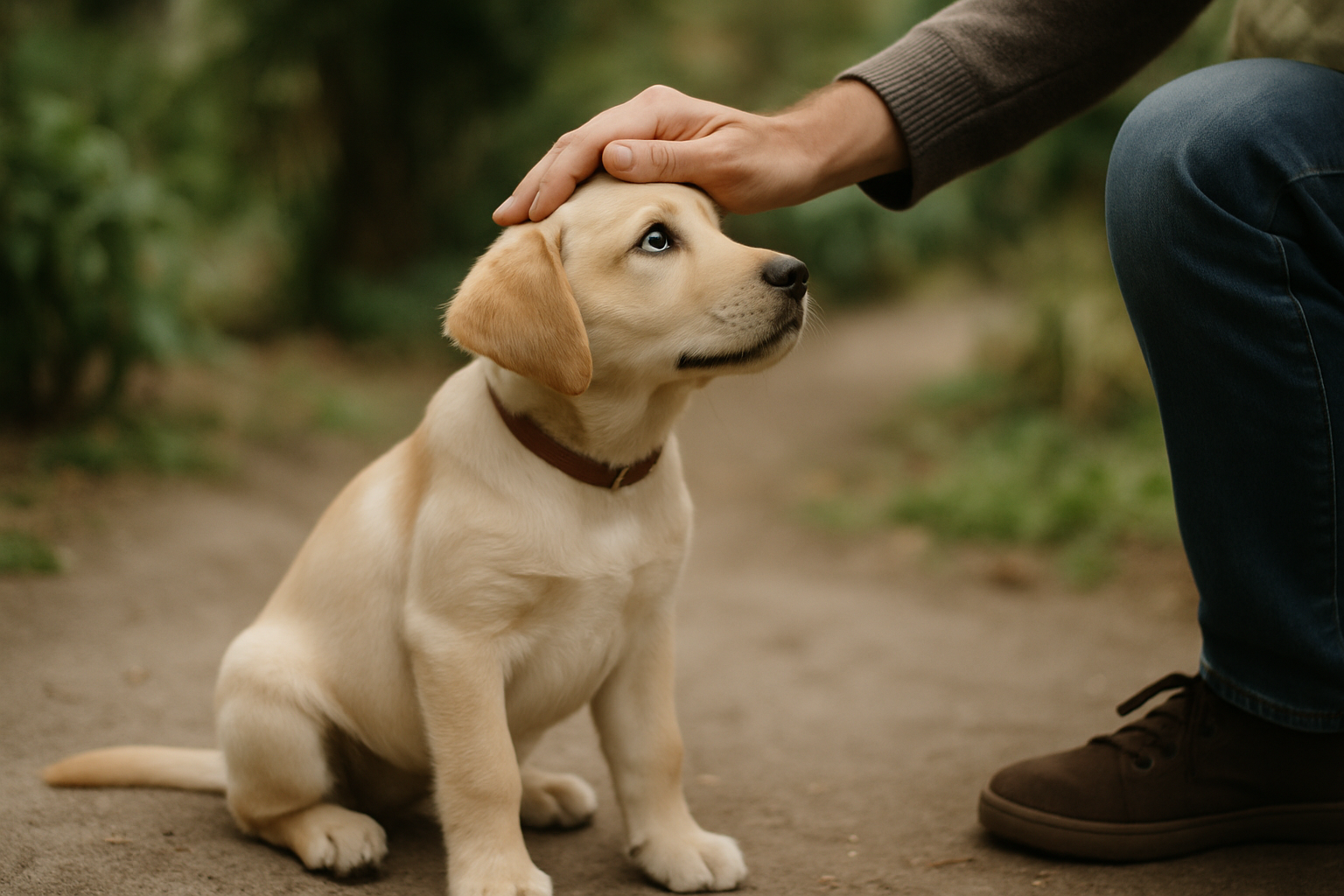
Why Puppy Body Language Matters More Than You Think
If you've ever wished your puppy could simply tell you what they're feeling, you're not alone. But here's the truth: they already are telling you—through a sophisticated system of physical signals that's been refined over thousands of years of evolution. Understanding puppy body language is one of the most valuable skills you can develop as a new dog owner. [2]
When you can accurately read your puppy's body language, you gain insight into their emotional state, stress levels, and social needs. This knowledge transforms how you interact with your puppy during training, socialization, and everyday moments. More importantly, it helps you prevent behavioral problems before they start and deepens the bond you share with your furry companion. [3]
Unlike human communication, which relies heavily on words, puppies express themselves through their entire body—from the tips of their ears to the curve of their tail. As the saying goes: "Dogs speak, but only to those who know how to listen." [2]
The Five Key Body Parts That Tell Your Puppy's Story
Reading puppy body language isn't about isolating single signals. Instead, think of it like solving a puzzle where each piece contributes to the complete picture. You need to evaluate your puppy's entire body to accurately understand what they're communicating. [2] Here are the five most important areas to observe:
1. The Eyes: Windows Into Your Puppy's Mind
Your puppy's eyes reveal tremendous information about their emotional state and comfort level. Learning to read these subtle signals can help you recognize when your puppy is content, stressed, or overstimulated. [3]
- Soft, relaxed eyes: Droopy lids or gentle squinting typically indicate contentment and relaxation, especially when combined with petting or cuddles. [2]
- Wide eyes or "whale eye": When you see the whites of your puppy's eyes, they're signaling alertness, uncertainty, or fear. This is a clear sign they need more space and a calmer environment. [3]
- Dilated pupils with intense staring: This can indicate either extreme excitement (ready to pounce and play) or overstimulation and stress. Check the rest of their body for context—raised hackles and a puffed chest suggest they need space, while a wagging tail might indicate playful energy. [3]
- Averted gaze: When your puppy looks away, they may be showing submission, anxiety about the situation, or an attempt to avoid conflict. [2]
- Hard stare with furrowed brow: This intense eye contact, often accompanied by a lip curl or growl, signals potential aggression or a challenge. Respect this warning sign and create distance. [2]
2. The Ears: Antennas of Emotion
Ear position is one of the most straightforward indicators of your puppy's emotional state, though some breeds with floppy or cropped ears require closer observation. [2]
- Pricked forward and upright: Ears standing at attention signal alertness, interest, and engagement with something in their environment. Your puppy is focused and curious. [2]
- Pinned back against the head: Flattened ears typically indicate fear, nervousness, or submission. However, when accompanied by a wagging tail and relaxed body, they can also signal contentment and relaxation. Context is crucial. [3]
- Neutral position: Ears in their natural resting position suggest your puppy feels calm and comfortable in their surroundings. [5]
Pro tip: Become familiar with your specific puppy's neutral ear position. This baseline makes it easier to recognize when their emotional state has shifted. [4]
3. The Tail: Your Puppy's Emotional Barometer
The tail is perhaps the most expressive part of your puppy's body, yet many people misinterpret tail wagging. A wagging tail doesn't automatically mean happiness—it simply indicates emotional arousal, which could be positive or negative. [4]
- Speed of the wag: Slow, relaxed side-to-side sweeps indicate a content, happy puppy. Faster, twitching wags suggest higher arousal levels, which could indicate excitement or anxiety. [4]
- Direction of the wag: Research shows puppies wag more to the right when experiencing positive emotions like greeting their owner, and more to the left when facing something negative or frightening. This asymmetry relates to how the brain hemispheres control body movement. [2]
- Helicopter tail: When your puppy's tail spins in a complete circle, there's no doubt—they're genuinely happy and excited. You'll typically see this greeting behavior when they see someone they love. [4]
- Tail position relative to the ground: Higher tails indicate confidence or assertiveness, while tucked tails reveal fear, stress, or anxiety. Your puppy may tuck their tail to hide their scent glands when feeling unsure. Neutral tail position (which varies by breed) indicates a relaxed, comfortable puppy. [4]
- Tight, stiff tail with leftward wagging: Even though the tail is moving, a tense body combined with leftward wagging signals your puppy is unhappy or stressed about the situation. [2]
4. The Mouth: Subtle Messages With Big Meaning
Your puppy's mouth and jaw position communicate crucial information about their emotional state and intentions. [3]
- Partially open mouth with tongue visible: A relaxed, slightly open mouth with a loosely hanging tongue indicates your puppy feels at ease and happy. This is the "happy grin" you see during petting sessions or play. [3]
- Closed mouth: A tightly closed mouth can signal stress, anxiety, or tension in your puppy. [5]
- Pulled back lips showing teeth: When your puppy pulls their lips back to display their canines, especially while nipping, they're likely overly aroused and overstimulated. This is different from the happy grin and requires immediate separation and a play break. [3]
- Lip curl with growl: This combination is a serious warning signal indicating potential aggression. Your puppy is clearly communicating "back off." Respect this boundary immediately. [2]
5. The Body and Posture: The Foundation of All Communication
Your puppy's overall body posture provides essential context for all other signals. A relaxed posture with loose muscles indicates comfort, while tension throughout the body suggests stress or fear. [5]
- Play bow: Front legs stretched forward with the chest low and rear end high in the air—this is an unmistakable invitation to play. Your puppy is clearly saying "let's have fun!" [4]
- Cowering or crouching low: A hunched, low posture indicates fear or stress. Your puppy is trying to appear smaller to communicate "I mean no harm." [4]
- Weight shifted forward: When your puppy leans forward, they're expressing interest in something or someone. Combined with other signals, this could indicate playfulness or, in rare cases, offensive intentions. [4]
- Belly exposure: Rolling onto their back might look like a request for belly rubs—and in a relaxed dog, it often is. However, this can also indicate considerable stress or anxiety, especially if accompanied by submissive urination. [4]
- Raised hackles: When the fur along your puppy's back stands up, it signals arousal—but not necessarily negative arousal. Your puppy might be excited, stressed, or intensely interested in something. It's an involuntary response, like human goosebumps. [4]
Reading the Complete Picture: Common Emotional States
Now that you understand individual signals, let's look at how they combine to communicate specific emotional states:
The Happy, Confident Puppy
A content puppy displays relaxed facial features, soft eyes with normal shape, ears in a neutral or slightly forward position, a loose body posture, and a tail wagging at a moderate speed in a neutral or slightly elevated position. Their mouth is slightly open with a relaxed expression. [5]
The Playful Puppy
A puppy ready for play performs the classic play bow, bounces with energy, wags their tail enthusiastically, and may engage in gentle mouthing or nipping. Their eyes are bright and alert, and their overall body is loose and energetic. [5]
The Anxious or Fearful Puppy
Fear manifests as tense facial features, pinned-back ears, a tightly closed mouth, a low or tucked tail, and a crouched or leaning body posture. You might also notice trembling, panting, yawning (a stress signal, not tiredness), or averted eye contact. [5]
The Overstimulated Puppy
An overstimulated puppy shows dilated pupils, pulled-back lips, rapid tail wagging (possibly to the left), raised hackles, a puffed chest, and a stiff body posture. They may nip harder during play or seem unable to settle. This is your cue to initiate a break. [3]
The Submissive Puppy
Submissive body language includes pinned-back ears, a tucked tail, lowered or crouched posture, averted eye contact, and a soft, quiet demeanor. Your puppy may also lift a paw or roll over to expose their belly. [5]
Understanding Vocal Communication Alongside Body Language
While body language is primary, your puppy also uses vocalizations to communicate. Understanding these sounds in context with their body language creates a complete picture: [5]
- Barking: Can indicate alerting, seeking attention, or expressing excitement. Observe the pitch and frequency combined with body language.
- Whining: Often signals anxiety, pain, or desire for attention. Check their body posture to determine the cause.
- Growling: Generally a warning signal. Respect this communication and identify the underlying issue.
- Howling: Can represent long-distance communication, response to sounds, or anxiety when separated from you.
Practical Tips for Becoming Fluent in Puppy Language
Reading body language is a skill that improves with practice. Here's how to develop expertise: [5]
- Observe consistently: Spend time watching your puppy in different situations and environments. Take mental notes of patterns and tendencies.
- Create a baseline: Learn what your specific puppy looks like when they're relaxed and content. This baseline helps you recognize shifts in emotion.
- Watch other puppies: Visit dog parks or training classes to observe how different puppies communicate. You'll start recognizing universal signals.
- Practice during training: Training sessions are perfect opportunities to observe body language. Notice how your puppy responds to different commands and corrections.
- Document and reflect: If your puppy displays a signal you're unsure about, think about what happened before and after. Context helps decode meaning.
- Consult professionals: Don't hesitate to ask your veterinarian or certified trainer about specific behaviors you're observing.
Critical Safety: When to Step In
Understanding body language isn't just about bonding—it's about safety. Recognize these warning signals that require immediate intervention: [3]
- Raised hackles combined with a stiff, forward-leaning posture
- Hard stare with furrowed brow and lip curl
- Pulled-back lips showing teeth during play or interaction
- Growling or snarling, regardless of context
- Intense staring with dilated pupils and a puffed chest
When you observe these signals, create space immediately and avoid forcing interaction. Work with a certified trainer to address the underlying issues causing these responses. [3]
Building a Stronger Bond Through Understanding
The beauty of learning puppy body language is that it transforms your relationship. When your puppy realizes you understand their communication, they feel more secure and confident. They trust that you'll respect their boundaries and respond to their needs appropriately. [3]
This understanding also makes training more effective. When you recognize that your puppy is anxious, overstimulated, or fearful, you can adjust your approach rather than pushing forward. You become not just a trainer, but a trusted translator of their emotional world. [5]
Remember that consistency, patience, and positive reinforcement are vital to developing this strong bond. Regular engagement in activities you both enjoy, combined with your growing ability to read their signals, creates a partnership built on mutual respect and understanding. [5]
Key Takeaways: Your Action Plan
Start implementing these strategies today:
- Observe your puppy's body language in various situations for at least 15 minutes daily
- Identify your puppy's neutral baseline for ears, tail, and posture when relaxed
- Create a mental checklist: eyes, ears, mouth, tail, and overall posture—evaluate all five before interpreting their emotional state
- Practice recognizing the difference between happy wagging and stressed wagging by observing tail direction and body tension
- Respect warning signals immediately by creating space and avoiding forced interaction
- Use your growing understanding to adjust training methods and environmental management
- Share your knowledge with family members to ensure consistent, respectful interactions with your puppy
Your puppy is already speaking to you in their own language. By learning to listen with your eyes, you'll unlock a deeper level of communication and create a bond that's built on genuine understanding and mutual respect.
Sources & References
- https://zigzag.dog/en-us/blog/puppy-behavior/understanding-your-puppy/understanding-puppy-body-language/
- https://www.thepuppyacademy.com/blog/2020/3/2/know-your-puppys-body-language
- https://www.akc.org/expert-advice/training/how-to-read-dog-body-language/
- https://www.animalcareclinicjc.com/news/2023/6/21/understanding-your-dogs-body-language-a-comprehensive-guide