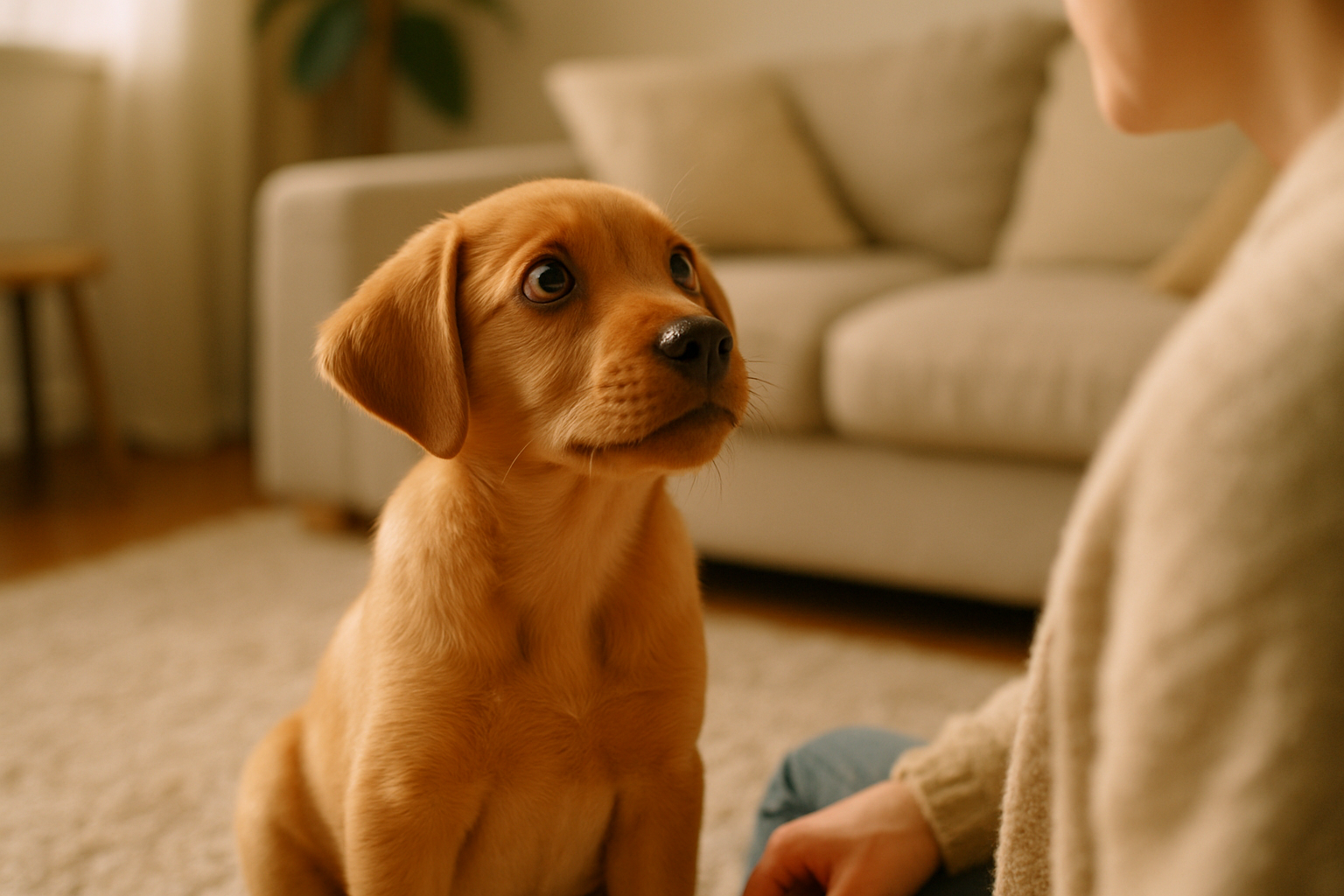
Why Understanding Puppy Body Language Matters
Have you ever wished your puppy could simply tell you what they're feeling? The truth is, they already are—you just need to learn their language. Unlike humans who rely on words to express emotions, puppies communicate through an intricate system of physical signals. Their entire body becomes a storytelling device, broadcasting messages about their emotional state, comfort level, and intentions. [3]
Understanding these signals isn't just about deepening your bond (though it absolutely does that). It's essential for your puppy's wellbeing and safety. When you can recognize whether your puppy is anxious, excited, fearful, or overwhelmed, you're equipped to respond appropriately. You'll know when to encourage social interaction and when to provide space. You'll catch potential behavioral issues before they escalate. Most importantly, you'll help your puppy grow into a confident, well-adjusted adult dog. [3]
Think of puppy body language as a puzzle where every piece matters. A single signal—like a tail wag—doesn't tell the whole story. Instead, you need to evaluate the complete picture: the position of their ears, the expression in their eyes, the tension in their body, and the movement of their tail working together. [2]
The Eyes: Windows Into Your Puppy's Emotional State
A puppy's eyes reveal an extraordinary amount about what's happening in their mind. Learning to read these subtle signals gives you immediate insight into their comfort level.
Soft, Relaxed Eyes
When your puppy's eyes appear slightly squinted or droopy with soft eyelids, they're communicating contentment and relaxation. You'll often see this expression when they're receiving affection—during belly rubs, ear scratches, or gentle petting sessions. A slow blink from your puppy is their version of a kiss, signaling trust and comfort. [3]
Alert or Concerned Eyes
Wide-open eyes with visible whites (sometimes called "whale eye") indicate your puppy is alert to something in their environment and feeling uncertain. This is your signal that your puppy needs reassurance or space. They're essentially saying, "I'm noticing something that makes me uncomfortable." [3] If your puppy is also avoiding eye contact by looking away, they may be experiencing anxiety or attempting to de-escalate a tense situation. [2]
Dilated Pupils and Intense Staring
When your puppy's pupils dilate or they lock eyes with an intense, unwavering stare, it often indicates overstimulation or over-arousal. This can manifest as either excitement (wanting to pounce and play) or potential aggression. The key is examining the rest of their body language. If their hackles are raised or their chest is puffed out, they're likely feeling defensive. If their body is loose and wiggly, they're probably just eager to play. [3]
The Hard Stare Warning
A hard stare accompanied by a furrowed brow is a different animal entirely. This intense eye contact, often paired with lip curls or growling, signals that your puppy may be about to react aggressively. Many dogs interpret direct staring as a challenge, so this is a clear signal to create distance and consult with a professional trainer if this behavior emerges. [2]
Ears: The Antenna of Emotion
Your puppy's ears are constantly broadcasting their emotional frequency. While some breeds have more expressive ear shapes than others, learning to read ear position gives you valuable information.
Forward-Facing Ears
When your puppy's ears stand up and point forward, they're in an alert state. Their attention is focused on something interesting—perhaps a sound, movement, or person. This posture typically accompanies a body position that's also leaning forward, indicating interest and engagement. [2]
Pinned-Back Ears
Ears flattened against the head can signal different emotions depending on the overall context. If your puppy's ears are pinned back and their body is low and tense, they're expressing fear or nervousness. However, if those same pinned-back ears accompany a wagging tail and relaxed body, your puppy is showing submission and friendliness. This is why context matters so much—the same ear position can mean completely different things. [2]
Relaxed Ears
Happy and content puppies display ears that are simply relaxed, whether they're naturally upright or flopped to the sides. The key indicator is the absence of tension. The ears aren't being held in a defensive or alert position; they're just hanging naturally. [5]
The Tail: Your Puppy's Emotional Barometer
The tail is arguably the most expressive part of your puppy's body, but it's also frequently misinterpreted. A wagging tail doesn't automatically mean a happy puppy—it simply means your puppy is emotionally aroused. [4]
The Speed and Style of the Wag
A slow, broad, side-to-side tail sweep that moves the entire body is the classic happy wag. This relaxed, full-body movement indicates your puppy is genuinely content and comfortable. In contrast, a fast, twitchy, or stiff wag suggests higher arousal—potentially excitement, but also possibly frustration or anxiety. [4]
The helicopter tail—where your puppy's tail spins in complete circles—is unmistakably joyful. You'll typically see this greeting behavior when your puppy is welcoming a beloved person. [4] A circular tail wag also indicates genuine happiness and contentment. [5]
The Direction of the Wag Matters
Research reveals something fascinating: the direction your puppy wags their tail carries meaning. When puppies wag toward the right side of their body, they're likely experiencing positive emotions—happiness, confidence, and excitement about interacting with their favorite people. Wags tilted toward the left suggest your puppy is experiencing negative emotions like fear or frustration. This occurs because the left hemisphere of the brain controls right-side movement and processes positive emotions, while the right hemisphere controls left-side movement and processes negative emotions. [2] [4]
Tail Position and Height
Where your puppy holds their tail relative to the ground tells you about their confidence level. A high, flag-like tail indicates confidence and assertiveness—sometimes even aggression. A tucked tail, held low or even tucked between the hind legs, signals fear, stress, or uncertainty. Your puppy may tuck their tail to cover their anal glands, essentially trying to make themselves appear smaller and less threatening. [2] [4]
A neutral tail position (which varies by breed) indicates a relaxed, content puppy. Breed matters here—a Chow Chow's naturally curled tail looks different from an Italian Greyhound's low tail position, so familiarize yourself with what's normal for your puppy's breed. [4]
Mouth and Facial Expressions: Reading the Details
Your puppy's mouth reveals whether they're comfortable, excited, stressed, or overstimulated.
The Relaxed, Open Mouth
A partially open mouth with the tongue gently protruding signals relaxation and happiness. You'll often see this expression during petting sessions or when your puppy is enjoying your company. It's the canine equivalent of a smile. [3]
Teeth Showing (Happy vs. Concerning)
Sometimes puppies open their mouths and display their teeth during play without any aggressive intent. This is simply over-excitement and enthusiasm—a happy grin that usually accompanies a wagging tail and wiggly body. However, when your puppy pulls their lips back to expose their canines while nipping, especially during play with other puppies, they're signaling over-arousal and need to be separated before the situation escalates. [3]
Lip Curling and Growling
A lip curl paired with a growl and hard stare is a clear warning signal. Your puppy is communicating that they feel threatened and may bite if the situation continues. This requires immediate intervention and professional training guidance. [2]
Yawning and Lip Smacking
Interestingly, yawning doesn't mean your puppy is tired. Dogs yawn when they're stressed, anxious, or experiencing conflict. Lip smacking can indicate self-soothing behavior during stress or anticipation of food. These subtle signals often appear when your puppy is processing an uncomfortable situation. [5]
Body Posture: The Foundation of Communication
Your puppy's overall body position provides crucial context for interpreting other signals.
The Play Bow
When your puppy places their chest on the ground with their rump in the air, they're initiating play. This is an unmistakable invitation to engage in fun and interaction—either with you or with other dogs. [4]
Cowering and Low Posture
A hunched, low-to-the-ground posture indicates fear or stress. Your puppy is essentially trying to make themselves smaller and less noticeable, communicating "I mean no harm." In extreme cases, your puppy may roll onto their back and expose their belly. While this might look like a request for belly rubs, it can actually signal significant stress and anxiety. Some puppies even urinate slightly as an appeasement gesture. [4]
Forward-Leaning Weight Distribution
When your puppy shifts their weight forward, they're expressing interest in something or someone. This posture indicates they want to move closer. In isolation, this simply means curiosity. However, when combined with a high, stiff tail, raised hackles, and a hard stare, forward weight distribution signals potential aggression. [4]
Raised Paw
A raised paw often indicates uncertainty or insecurity about a situation. Your puppy is essentially asking, "Is this okay?" This signal frequently appears during new experiences or when your puppy is unsure how to proceed. [4]
Hackles and Fur: The Involuntary Signals
The hair along your puppy's back can stand on end—a response called piloerection or "raised hackles." This involuntary reaction, similar to goosebumps in humans, indicates your puppy is aroused. Importantly, arousal doesn't automatically mean aggression. Your puppy might be excited, stressed, upset, or intensely interested in something. The context of other body language signals determines the actual emotion. [4]
When your puppy puffs out their chest while raising their hackles, they're attempting to appear larger and more intimidating—a sign of potential defensive behavior. [3]
Recognizing the Signs of a Stressed or Uncomfortable Puppy
Knowing when your puppy is distressed allows you to intervene and provide support before situations escalate.
- Tucked tail: Your puppy is feeling worried or unsure
- Whale eye: Your puppy is alert to something that makes them nervous
- Averted gaze: Your puppy is anxious and needs space
- Yawning in stressful situations: Your puppy is processing anxiety
- Lip smacking: Your puppy is self-soothing
- Body turning away: Your puppy is presenting their back as a way to avoid confrontation [5]
- Shake-off behavior: Similar to shaking off water, puppies shake to release tension and stress from their bodies [5]
Breed-Specific Considerations
While most puppies use similar body language signals, certain breeds have natural characteristics that can be misleading. German Shepherds naturally have upright ears that might appear alert even when the puppy is relaxed. Huskies and Malamutes have naturally curled tails that look similar whether the puppy is calm or aroused. Pugs have perpetually wide eyes that might resemble "whale eye" even when they're content. [5]
The solution is to become intimately familiar with your individual puppy's baseline. What does their neutral, relaxed state look like? Once you establish this baseline, you'll quickly recognize when their emotional state shifts. [4]
Practical Tips for Reading Your Puppy's Body Language
- Observe the whole picture: Never isolate a single signal. Always consider how all the pieces fit together—ears, eyes, tail, posture, and fur working as a complete system.
- Learn your puppy's baseline: Spend time observing your puppy when they're calm and content. This becomes your reference point for recognizing changes.
- Practice during low-stakes moments: Start interpreting body language during calm interactions before trying to read signals in high-stress situations.
- Document patterns: Notice which situations trigger specific body language responses. This helps you anticipate your puppy's needs.
- Advocate for your puppy: If your puppy shows signs of discomfort during socialization or play, intervene immediately. Prevention is always better than reaction.
- Consult professionals: If you notice concerning signals like hard stares, lip curls, or aggressive posturing, work with a certified professional trainer to address the behavior appropriately. [3]
When Body Language Signals Health Concerns
Beyond emotions, body language can also indicate health issues. An ill puppy may sleep more than usual, appear grumpier, and show decreased interest in normal activities they typically enjoy. [5] Watch for excessive yawning, lip smacking, or unusual tension in the body. If your normally active and happy puppy begins isolating themselves, shows lethargy, or experiences decreased appetite, consult your veterinarian promptly. [5]
Key Takeaways: Becoming Fluent in Puppy Language
Your puppy is constantly communicating. By learning to interpret their body language, you're not just understanding their emotions—you're building a stronger, more trusting relationship. You're setting them up for success in training, socialization, and life experiences. You're ensuring their safety and the safety of those around them.
Remember that body language is a complete system. Evaluate the position of the ears, the expression in the eyes, the movement of the tail, the tension in the body, and the state of the fur. Look for patterns specific to your individual puppy. Most importantly, respond with patience and compassion when your puppy signals discomfort or stress.
The saying goes, "Dogs speak, but only to those who know how to listen." [2] By dedicating yourself to understanding puppy body language, you're becoming someone your puppy can truly communicate with. And that makes all the difference.
Sources & References
- https://zigzag.dog/en-us/blog/puppy-behavior/understanding-your-puppy/understanding-puppy-body-language/
- https://www.thepuppyacademy.com/blog/2020/3/2/know-your-puppys-body-language
- https://www.akc.org/expert-advice/training/how-to-read-dog-body-language/
- https://stories.tamu.edu/news/2025/03/13/understanding-your-dogs-body-language-a-guide-to-canine-communication/