Why Understanding Puppy Body Language Matters
Have you ever wished your puppy could simply tell you what they're thinking? The truth is, they already are—through a sophisticated system of physical signals that reveal everything from joy to anxiety. Unlike humans who can verbalize their feelings, puppies rely entirely on body language to communicate their emotional state and intentions. [4]
This nonverbal communication becomes critically important during your puppy's early development. When you understand what your pup is expressing through their posture, facial features, and movements, you can respond appropriately to their needs, prevent behavioral issues, and build a stronger bond. Misinterpreting these signals can lead to missed training opportunities, unnecessary stress for your puppy, and even safety concerns during social interactions. [5]
The good news? Reading puppy body language is a learnable skill. With practice and attention, you'll soon recognize the subtle cues that indicate whether your puppy is confident, anxious, playful, or overwhelmed.
The Holistic Approach to Reading Body Language
Before diving into specific signals, it's essential to understand that puppy body language works as an integrated system. Think of it like a puzzle where each piece contributes to the complete picture. A single signal—like a wagging tail—doesn't tell the whole story. Instead, you need to observe multiple body parts and overall posture simultaneously to accurately interpret what your puppy is communicating. [2]
For example, a wagging tail combined with a relaxed posture, soft eyes, and loose body movement indicates genuine happiness. However, that same tail wag paired with a stiff body, raised hackles, and intense eye contact suggests arousal of a different kind—possibly stress or aggression. This is why comprehensive observation matters.
As you develop this skill, you'll begin to notice patterns specific to your own puppy's personality and communication style. Some puppies are naturally more expressive, while others communicate more subtly. The key is consistent observation and learning what "normal" looks like for your individual dog.
The Eyes: Windows to Your Puppy's Emotional State
A puppy's eyes communicate volumes about their emotional condition. Learning to read these signals helps you gauge whether your pup feels comfortable, anxious, or overstimulated in any given situation. [4]
Soft, Relaxed Eyes
When your puppy displays soft, relaxed eyes with slightly drooping or squinting lids, they're signaling contentment and comfort. You'll often see this expression during pleasant moments like being petted, receiving treats, or lounging near you. These "puppy dog eyes" in a relaxed context indicate your pup is at ease and enjoying the interaction. [2]
Wide Eyes or "Whale Eye"
When you can see the whites of your puppy's eyes (a phenomenon called "whale eye"), it typically indicates alertness, uncertainty, or fear. Your puppy is essentially saying, "I'm not sure about this situation and I need some space." This signal often appears when puppies encounter unfamiliar people, loud noises, or other stimuli that make them anxious. [4]
Averted Gaze
When your puppy looks away or avoids direct eye contact, they may be displaying submissiveness or anxiety about the current situation. This is your puppy's way of de-escalating potential conflict. In social situations, teaching your puppy that looking away is acceptable helps them manage stress appropriately. [4]
Intense, Hard Stare
A fixed, unwavering stare—especially when accompanied by a furrowed brow—is a very different message. This intense eye contact, particularly in combination with other aggressive signals, indicates your puppy may be about to react negatively. Many dogs interpret prolonged direct staring as a challenge or threat. [2]
Dilated Pupils
Dilated pupils can indicate your puppy is either overstimulated and overwhelmed, or intensely excited about play. To distinguish between these scenarios, observe the rest of their body. If you notice raised hackles, a puffed-out chest, or stiff posture alongside dilated pupils, your puppy likely needs space and a break from stimulation. [4]
Ears: Detecting Alertness and Anxiety
Your puppy's ears are remarkably expressive communication tools. The position and movement of their ears reveal whether they're alert, anxious, relaxed, or interested in something specific. [2]
- Ears Forward and Upright: Pricked ears held forward indicate your puppy is alert and paying attention to something. Combined with a forward-leaning body posture, this signals interest and engagement. [2]
- Ears Pinned Back: When ears flatten against the head, your puppy is communicating nervousness or uncertainty. However, context matters—pinned-back ears combined with a wagging tail and relaxed body can indicate submission or contentment rather than fear. [4]
- Ears Rotated Sideways: This position often indicates your puppy is processing information or feeling conflicted about a situation. They're neither fully committed to investigating something nor completely retreating from it.
- Ears in Natural Resting Position: When your puppy's ears are in their neutral, relaxed position, this typically indicates a calm emotional state.
Keep in mind that some breeds have naturally floppy ears or heavily cropped ears, making ear signals less obvious. In these cases, rely more heavily on other body language cues. [2]
The Tail: Your Puppy's Emotional Meter
Perhaps the most recognizable puppy body language signal is the tail wag. However, the complete picture of tail communication is far more nuanced than simply "wagging equals happy." [5]
Understanding Tail Wag Speed and Position
The speed of your puppy's tail wag indicates their level of arousal, not necessarily their emotional valence. A slow, broad wag that moves the entire rear end is characteristic of a relaxed, genuinely happy puppy. Think of the classic greeting wag when you come home—that full-body wiggle indicates low-stress happiness. [5]
Conversely, a rapid, twitchy tail wag suggests higher arousal. This could mean excitement, but it could also indicate frustration, anxiety, or anticipation of something negative. To distinguish between positive and negative arousal, observe the rest of your puppy's body language. [2]
Tail Height and Confidence
The vertical position of your puppy's tail relative to the ground communicates confidence levels. A tail held high, like a flag, suggests assertiveness and confidence—sometimes bordering on aggression when combined with other dominant signals. A tail held at neutral height indicates a calm, balanced emotional state. A tucked tail, positioned between the hind legs or underneath the body, signals fear, anxiety, or submission. [5]
It's important to learn your individual puppy's neutral tail position, as this varies by breed. Chow Chows naturally carry their tails curled over their backs, while Italian Greyhounds typically hold their tails low. Once you establish what's normal for your pup, deviations become more meaningful. [5]
Tail Wag Direction
Fascinating research has revealed that the direction of your puppy's tail wag carries significance. When puppies wag their tails more to the right side of their body, they're typically experiencing positive emotions like happiness and confidence. Wags biased toward the left side often accompany negative emotions such as fear or frustration. This asymmetry is believed to relate to how the left and right hemispheres of the brain control emotional processing. [2]
The Helicopter Wag
When your puppy's tail spins in a complete circular motion (resembling a helicopter rotor), there's absolutely no ambiguity—this is pure, unadulterated joy. You'll typically see this spectacular display when your puppy is greeting someone they love or anticipating something wonderful like a walk or meal. [5]
Mouth and Facial Expressions: Reading the Details
Your puppy's mouth position and facial expressions provide important clues about their emotional state and intentions. [4]
- Relaxed, Slightly Open Mouth: When your puppy's mouth hangs slightly open with their tongue visible, they're displaying relaxation and contentment. This is often accompanied by soft eyes and a loose body posture.
- Open-Mouth "Grin" with Teeth Showing: Sometimes puppies show their teeth in what appears to be a smile, especially during excited play. This is typically just exuberance rather than aggression, and is usually paired with a wagging tail and playful body movements. [4]
- Pulled-Back Lips and Exposed Canines: When your puppy deliberately pulls their lips back to expose their teeth—particularly if accompanied by nipping, growling, or a stiff body—this is a warning signal. Your puppy is communicating discomfort or potential aggression and needs immediate intervention. [4]
- Yawning: While humans yawn when tired, puppies often yawn as a stress-relief mechanism. If your puppy is yawning in a tense situation, they may be attempting to self-soothe or de-escalate conflict. [5]
- Lip Licking: Frequent lip licking, especially when not related to food, often indicates your puppy is nervous or anxious about their current environment.
Body Posture: What Position Reveals About Confidence
Your puppy's overall body posture communicates their confidence level and emotional state more clearly than any single signal. [5]
Forward-Leaning Posture
When your puppy shifts their weight forward onto their front legs, they're signaling interest and engagement with something. This posture indicates your pup wants to move closer and investigate. In some contexts, particularly when combined with aggressive signals, this forward lean can indicate offensive intentions. [5]
Cowering and Low Posture
A puppy hunched low to the ground with their body compressed is displaying fear or stress. This posture makes your puppy appear smaller, communicating "I mean no harm" to other dogs or people. In extreme cases, your puppy might roll onto their back, exposing their belly. While this can be a solicitation for belly rubs in a relaxed context, it can also indicate significant anxiety or appeasement behavior. [5]
The Play Bow
One of the most delightful body language signals is the play bow—when your puppy places their chest on the ground with their rear end in the air. This is a clear invitation to play and is easy to recognize. You'll often see this when your puppy wants to initiate a game with you or another dog. [5]
Stiff, Rigid Posture
When your puppy's entire body becomes tense and rigid, they're communicating heightened arousal. This could indicate excitement, but more often signals stress or preparation for defensive action. Combined with other aggressive signals, this posture warrants immediate intervention.
Raised Hackles: Understanding Piloerection
Hackles are the hairs along your puppy's spine and shoulders. When these hairs stand on end (a phenomenon called piloerection), it indicates your puppy is experiencing significant arousal. [5]
Importantly, raised hackles don't automatically mean aggression. Your puppy might raise their hackles when excited, intensely interested in something, stressed, or preparing for conflict. To interpret raised hackles correctly, you must consider all other body language signals simultaneously. A puppy with raised hackles and a relaxed, wagging tail is likely just excited. The same raised hackles combined with a stiff posture, hard stare, and forward lean might indicate a very different emotional state. [5]
Practical Tips for Interpreting Puppy Body Language
Now that you understand the individual signals, here are strategies for developing your interpretation skills:
- Observe in Neutral Situations First: Learn what your puppy looks like when they're calm and content. This baseline helps you recognize deviations more easily.
- Watch Other Puppies and Dogs: Visit dog parks or watch dog training videos to observe various body language combinations. The more examples you see, the faster you'll develop pattern recognition.
- Take Photos and Videos: Capture your puppy's expressions during different situations. Reviewing these later helps you notice details you might miss in real-time.
- Create a Mental Checklist: When assessing your puppy's body language, mentally check: eyes, ears, mouth, tail, posture, and overall muscle tension. This systematic approach ensures you don't miss important signals.
- Consider Context: The same signal means different things in different situations. A play bow during playtime is an invitation to play; the same posture during a tense interaction might indicate submission.
- Trust Your Instincts: As you develop expertise, you'll begin to sense your puppy's emotional state intuitively. This gut feeling, combined with your analytical observation skills, becomes increasingly accurate.
- Seek Professional Guidance: If you're uncertain about your puppy's behavior or notice concerning patterns, consult a certified professional dog trainer or behaviorist.
Common Scenarios: What Your Puppy Is Communicating
During Socialization with Other Puppies
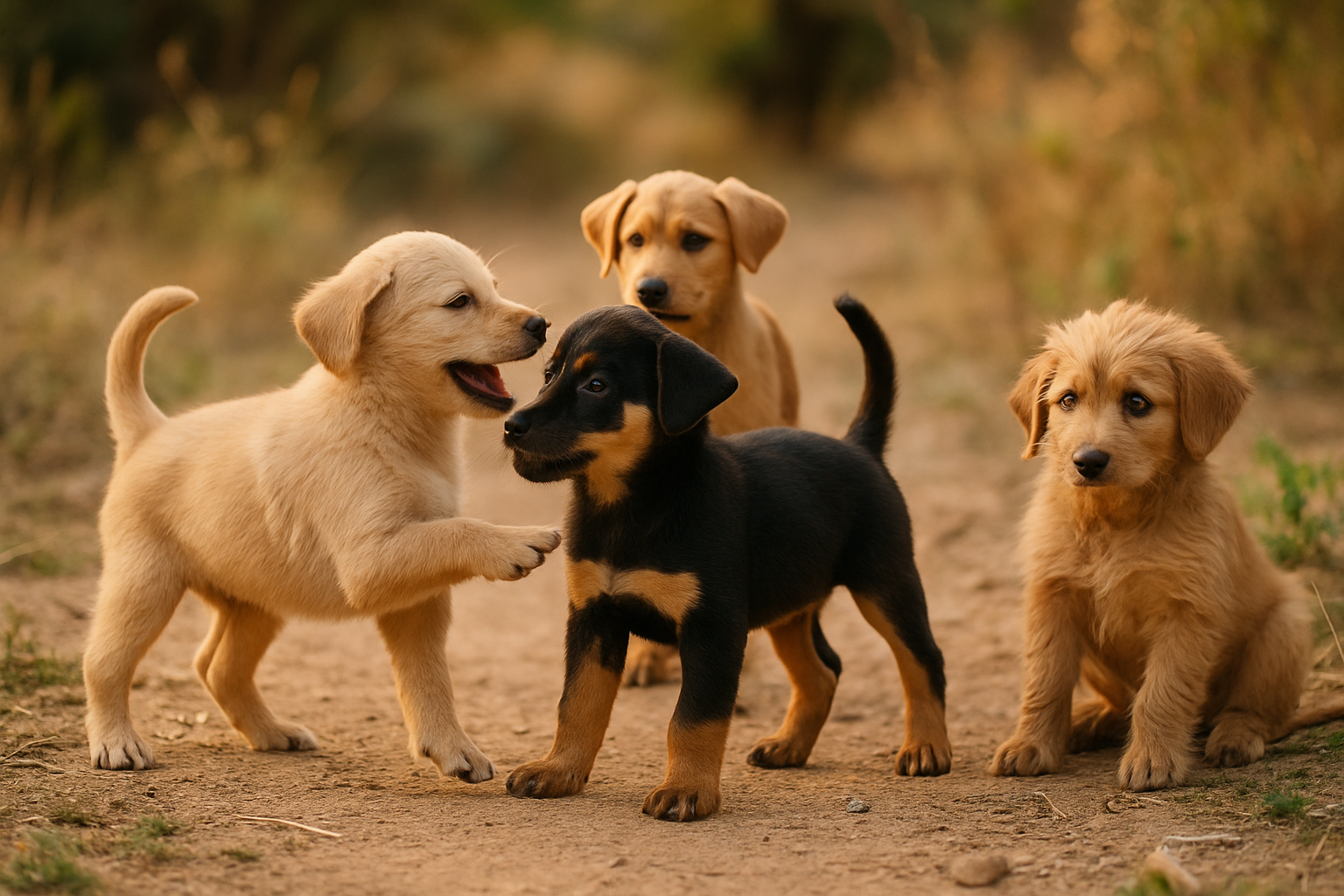
When your puppy is playing with other puppies, watch for signs of overstimulation. If one puppy becomes overly aroused—showing pulled-back lips, intense focus, and nipping—they may need separation from the more submissive puppy. If the submissive puppy yelps, this is your cue to intervene with a play break. Prevention is always better than reaction in these situations. [4]
Meeting New People
When your puppy encounters strangers, look for either confidence signals (forward ears, relaxed body, soft eyes) or anxiety signals (pinned-back ears, tucked tail, averted gaze). If your puppy shows anxiety, don't force interaction. Allow your puppy to approach at their own pace and reward brave behavior with treats and praise.
During Training Sessions
A puppy displaying soft eyes, relaxed posture, and focused attention is in an ideal state for learning. If your puppy shows signs of stress or overstimulation, take a break. Training should always be positive and stress-free.
Key Takeaways: Becoming Fluent in Puppy Communication
Understanding your puppy's body language is one of the most valuable skills you can develop as a dog owner. Remember these essential points:
- Always interpret body language holistically, considering multiple signals simultaneously rather than isolating individual cues
- Learn your individual puppy's baseline behavior to recognize meaningful deviations
- Tail wagging indicates arousal, not necessarily happiness—look at the entire picture
- Forward-leaning posture and raised ears suggest interest; cowering and pinned-back ears suggest anxiety
- Soft, squinting eyes indicate contentment; wide eyes or hard stares communicate different emotional states
- Raised hackles indicate arousal but require context to interpret accurately
- Prevention and early intervention are more effective than reaction in problematic situations
As you practice these observation skills, you'll develop an increasingly intuitive understanding of your puppy's emotional world. This deeper communication strengthens your bond, improves training outcomes, and helps your puppy navigate their environment with greater confidence and security. Your puppy has been trying to tell you how they feel all along—now you have the tools to truly listen.