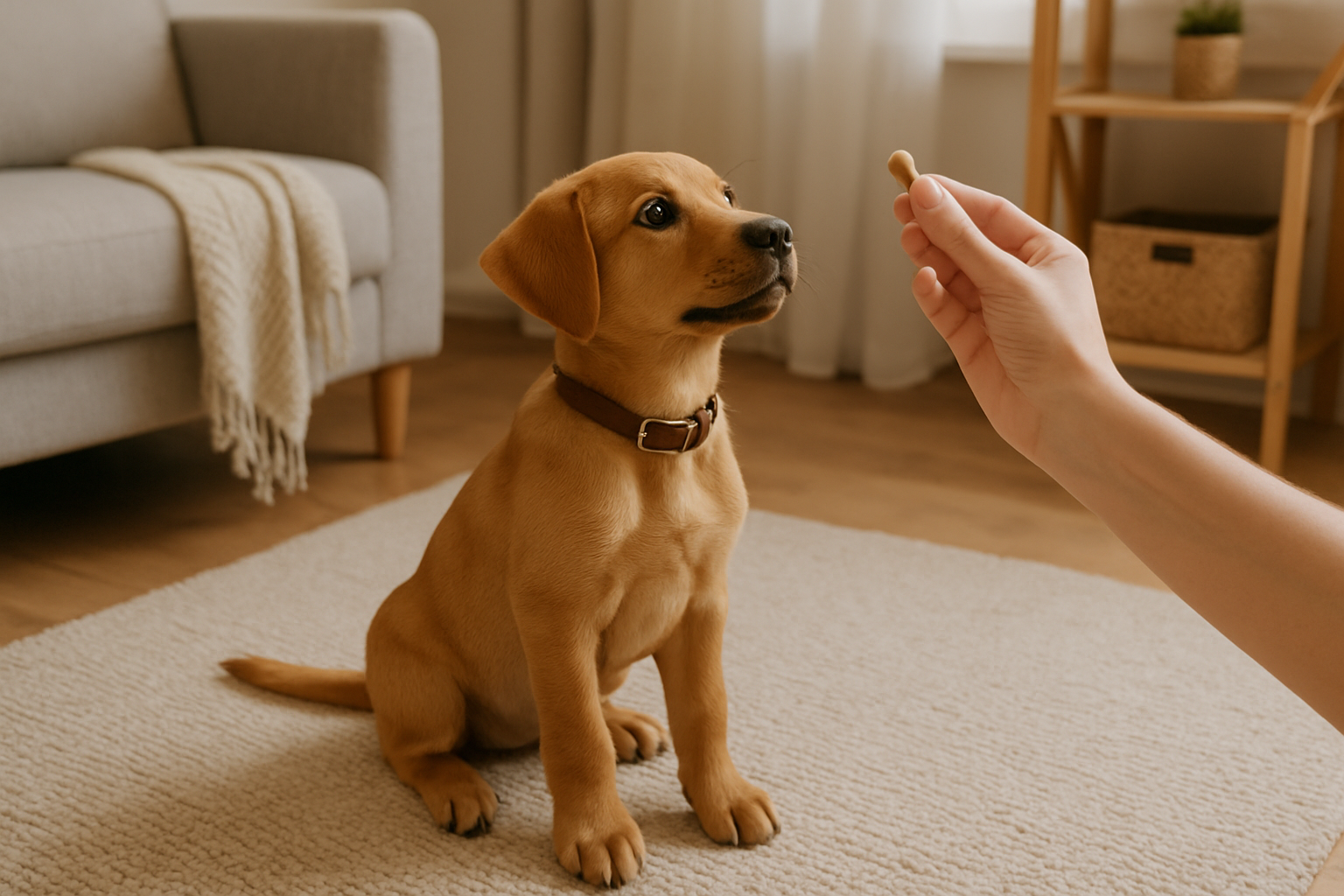
Complete Puppy Potty Training Guide: Your Path to a Housebroken Pup
Bringing a new puppy home is thrilling—until you step in that puddle on the carpet. Potty training is one of the most critical skills your puppy will learn, and it sets the foundation for a harmonious household and a strong bond between you and your furry companion. The good news? With the right approach, consistency, and patience, most puppies can be reliably housetrained within a reasonable timeframe.
This complete guide will equip you with everything you need to know about puppy potty training, from understanding your puppy's biological needs to implementing proven training methods that actually work.
Understanding Your Puppy's Biological Development
Before diving into training techniques, it's essential to understand that puppies aren't being stubborn or defiant when they have accidents—they're physically incapable of holding it for extended periods. [4] Puppies between 12-16 weeks old are at the ideal starting point for potty training, as their bladder control is beginning to develop. Attempting to train younger puppies often yields frustration because they simply cannot physiologically control their elimination.
A helpful rule of thumb is the "month plus one" concept: a three-month-old puppy can typically hold it for approximately four hours, while a four-month-old can manage about five hours. [4] This doesn't mean you should wait that long between breaks—it's simply a guideline for understanding their capabilities.
Young puppies need to relieve themselves frequently throughout the day. They typically need to go potty:
- Immediately after waking up from sleep or naps
- Within 15-30 minutes after eating
- After drinking water
- After playtime or exercise
- Before bedtime
- Multiple times during the day (generally every 2-3 hours for young puppies)
[1] The critical mistake many new puppy parents make is waiting for their puppy to signal they need to go outside. Most young puppies won't provide obvious cues initially—they simply go when nature calls. Being proactive rather than reactive is the key to minimizing accidents.
Establish a Consistent Potty Schedule
Consistency is the foundation of successful potty training. Dogs are creatures of habit, and puppies thrive with structure. [2] Creating a detailed schedule that encompasses feeding times, potty breaks, play sessions, nap times, and bedtime gives your puppy predictability and helps regulate their digestive system.
Here's how to build an effective schedule:
- Start with feeding times: Feed your puppy at the same times each day. Most puppies need 3-4 meals daily until about six months old, then transition to 2 meals daily.
- Schedule potty breaks: Plan bathroom breaks 15-30 minutes after meals, immediately after waking, and every 2-3 hours during waking hours.
- Plan play and exercise: Schedule designated play sessions, as activity stimulates the need to eliminate.
- Include crate time: Allocate periods for your puppy to rest in their crate, which naturally encourages bladder control.
- Set bedtime routine: Establish a consistent bedtime and take your puppy out right before sleep.
[2] Print your schedule and post it where everyone in your household can see it. This ensures all family members follow the same routine, which is crucial for training success. Inconsistency from different caregivers significantly extends the training timeline.
Invest in Proper Crate Training
Many new dog owners hesitate at crate training, viewing it as confinement or punishment. However, when done correctly, crate training is one of the most effective potty training tools available. [2] Dogs are naturally den animals and instinctively avoid soiling their sleeping area.
The right crate setup matters:
- Size is critical: [1] Your puppy's crate should be large enough for them to stand, turn around, and lie down comfortably, but not so large they can eliminate in one corner and sleep in another. If your puppy is having accidents in their crate, the crate is too big.
- Make it comfortable: Add a soft bed or blanket to create a cozy den-like space.
- Use positive association: Introduce the crate gradually with treats and praise. Never force your puppy inside or use it as punishment.
- Keep it accessible: [4] During nighttime training, position the crate in your bedroom so you can hear if your puppy needs to go out.
The crate becomes your training partner by naturally encouraging your puppy to hold their bladder and bowels, making scheduled potty breaks more effective.
Designate a Specific Potty Spot
Consistency extends beyond scheduling—it includes the physical location where your puppy eliminates. [1] By always taking your puppy to the same spot, you create a powerful association that helps them understand exactly where they're supposed to go.
Here's why this matters:
- Puppies develop a preference for eliminating in familiar spots
- The scent from previous eliminations reminds them of the purpose of that location
- This accelerates the learning process significantly
- It reduces the time needed to wean off leash guidance
Whether you're using an outdoor yard area or indoor potty pads, keep the spot consistent. [2] Use the same door each time you go outside and visit the same area. This creates a clear routine your puppy can anticipate and follow.
Implement a Command Word or Phrase
Teaching your puppy to associate a specific command with the act of eliminating creates powerful training recall. [2] Simple phrases like "go potty," "do your business," or "get busy" work equally well—choose whatever feels natural to you.
How to use the command effectively:
- Use the command consistently each time you arrive at the designated potty spot
- Say it calmly and clearly in a neutral tone
- Give your puppy a few minutes to respond
- Once they eliminate, immediately praise and reward
- Over time, your puppy will learn to associate the command with the behavior
This technique becomes invaluable later, as your puppy can eventually eliminate on command, which is helpful for travel and various situations.
Master Positive Reinforcement Techniques
Positive reinforcement is scientifically proven to be the most effective training method for puppies. [2] When your puppy successfully eliminates in the correct location, immediate praise and rewards create a powerful incentive to repeat the behavior.
Timing is everything: [1] Wait until your puppy is completely finished before offering praise. If you celebrate too early, they might interrupt themselves, which defeats the purpose.
Reward options include:
- Enthusiastic verbal praise ("Yes! Good potty!")
- High-value treats (small, soft treats work best)
- Favorite toys or play sessions
- Physical affection (petting, scratching)
- A combination of the above
The key is finding what motivates your specific puppy. Some puppies are treat-driven, while others respond better to play or praise. Experiment to discover your puppy's primary motivator and use it consistently.
Handle Accidents With Intelligence, Not Anger
Accidents are an inevitable part of puppy potty training—they're not failures; they're learning opportunities. [1] When accidents happen, remember that your puppy isn't being defiant or spiteful. They're either not following the schedule closely enough, receiving too much unsupervised freedom, or drinking too much water.
The correct response to accidents:
- Don't punish: [2] Scolding, rubbing their nose in the mess, or showing anger teaches your puppy to fear you and hide when they need to eliminate, making training exponentially harder.
- Redirect immediately: If you catch your puppy in the act, calmly interrupt with a sound, then immediately take them to their designated potty spot to finish.
- Clean thoroughly: [1] Use an enzymatic cleaner specifically designed for pet urine. Regular cleaners won't eliminate the scent, and your puppy will return to the same spot. Avoid ammonia-based cleaners, which can actually intensify the urine smell.
- Evaluate your approach: Look at your schedule. Was the accident right before a scheduled break? Did someone skip a potty session? Adjust accordingly.
Most importantly, stay patient. [1] Puppies require extensive repetition to develop new habits—the more consistent you are, the faster they'll learn.
Recognize and Respond to Potty Cues
While young puppies won't telegraph their needs clearly, older puppies and dogs develop recognizable signals. [3] Learning your individual puppy's cues helps you stay ahead of accidents and demonstrates that you're paying attention to their needs.
Common potty cues include:
- Circling or sniffing the ground
- Whining or barking
- Pacing or restlessness
- Scratching at the door
- Pawing at you
- Licking their genital area
- Moving toward the door
[3] Keep a record of when your puppy has accidents and what behavior preceded them. This helps you identify patterns and predict when they'll need to go out. Over time, you'll develop an intuition about your puppy's needs.
Teach Your Puppy to Signal Their Needs
Once your puppy is reliably housetrained, you can teach them to actively communicate when they need to go outside. [3] This eliminates guesswork and gives your puppy agency in the process.
Popular signaling methods include:
- Door bells: Hang bells on your door handle and gently tap your puppy's paw against them when you go outside. They'll eventually ring them independently.
- Button training: Use talking buttons programmed with "outside" or "potty." This takes longer to train but is incredibly rewarding.
- Scratching training: Reward your puppy for scratching at the door when they need to go out.
These methods transform your puppy from a passive participant in potty training to an active communicator, which strengthens your relationship and gives you confidence in their abilities.
Navigate Special Circumstances
Bad Weather: [2] Many puppies dislike going outside in rain or snow. Make the experience as comfortable as possible by using an umbrella, shoveling a clear path, or even using a dog raincoat. Some trainers recommend extra praise or high-value treats for successful bathroom breaks during inclement weather.
Apartment Living: If you don't have immediate outdoor access, potty pads can serve as a temporary solution. However, [2] most experts recommend against relying on pads long-term, as they teach puppies that indoor elimination is acceptable. If you must use pads, treat them as a stepping stone toward outdoor training.
Health Concerns: If your puppy isn't making progress despite consistent training, consult your veterinarian. [4] Urinary tract infections, parasites, or other health issues can prevent successful potty training.
Understand the Training Timeline
Patience is essential because potty training timelines vary significantly. [4] Most puppies become reliably housetrained between 4-6 months of consistent training, though some may take up to a year. Factors affecting timeline include:
- Your puppy's age when training begins
- Consistency of training methods
- Household size and everyone's commitment to the schedule
- Your puppy's individual temperament and learning speed
- Any underlying health issues
Remember that "reliable" doesn't mean perfect—occasional accidents can happen even in well-trained dogs due to excitement, stress, or illness. The goal is establishing a strong foundation of good habits.
Create a Household Training Plan
Success requires buy-in from everyone in your household. [2] Sit down with family members and establish clear expectations:
- Everyone follows the same potty schedule
- Everyone uses the same command word
- Everyone provides consistent praise and rewards
- Everyone cleans accidents properly
- Everyone supervises the puppy when not in the crate
Inconsistency from different caregivers creates confusion and significantly extends training. Treat this as a household project where everyone plays a role in your puppy's success.
Key Takeaways for Potty Training Success
Remember these fundamental principles as you embark on your potty training journey:
- Consistency is non-negotiable: Every family member must follow the same schedule and methods
- Structure builds success: A detailed schedule prevents most accidents before they happen
- Patience pays off: Your puppy is learning, not misbehaving. Stay calm and positive
- Positive reinforcement works: Reward good behavior immediately and enthusiastically
- Prevention beats correction: Proactive potty breaks prevent accidents more effectively than punishing them
- Accidents are normal: They're part of the process, not signs of failure
- Your effort now pays dividends later: The structure and consistency you provide as a puppy owner creates a well-adjusted, reliable adult dog
Potty training is one of the most important investments you'll make in your puppy's early development. [5] The three C's—consistency, repetition, and diligence mixed with patience—are your formula for success. Stay the course, celebrate small victories, and remember that you're not just teaching your puppy where to go to the bathroom; you're establishing patterns of behavior and trust that will shape your relationship for years to come.
Sources & References
- https://www.thepuppyacademy.com/blog/2023/6/18/how-can-i-potty-train-my-new-puppy
- https://yourpetandyou.elanco.com/us/new-pets/how-to-potty-train-a-dog
- https://www.alphapaws.com/a-complete-guide-to-puppy-potty-training/
- https://www.pethonesty.com/blogs/blog/puppy-potty-training-101
- https://offleashgeorgia.com/housebreaking-your-puppy/