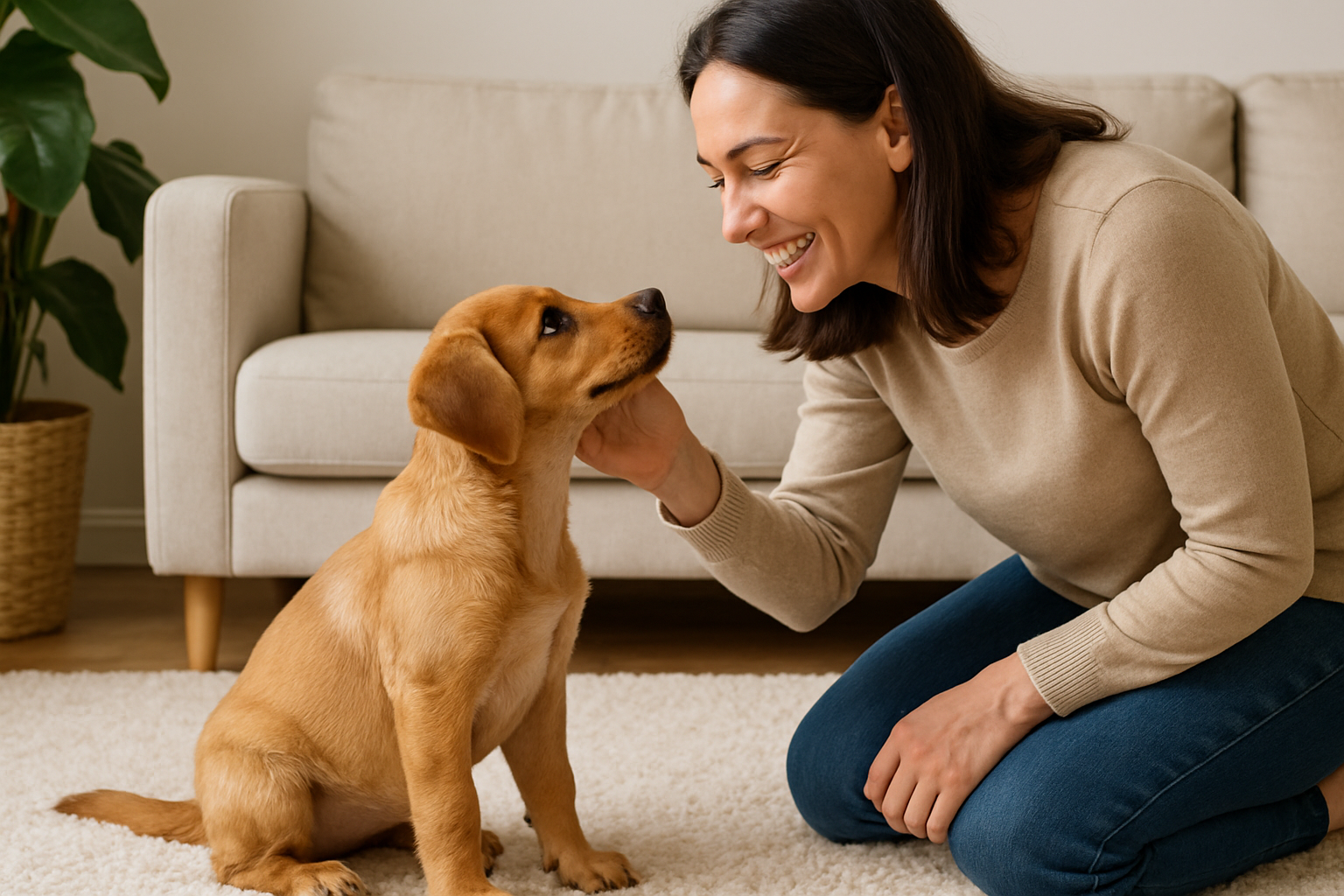
The Complete Puppy Potty Training Guide: From Day One to Success
Bringing a new puppy home is exciting—until you discover your first puddle on the living room carpet. If you're feeling overwhelmed by the prospect of potty training, take a deep breath. You're not alone, and with the right guidance, this process can be far less chaotic than you might imagine.
Potty training is one of the most important skills your puppy will learn during their first year. Beyond just protecting your floors and furniture, establishing good bathroom habits builds the foundation for trust between you and your pup, and it's essential for their overall well-being. [1] The good news? With consistency, patience, and a strategic approach, most puppies can be reliably housetrained within 4-6 months, though some may take up to a year depending on their age, history, and individual personality. [3]
Understanding Your Puppy's Potty Needs
Before you can effectively train your puppy, you need to understand their biological needs. Puppies aren't being stubborn or difficult when they have accidents—they genuinely cannot control their bladder and bowels the way adult dogs can. This is crucial information that changes how you approach the entire training process.
One of the biggest mistakes new puppy parents make is waiting for their puppy to signal that they need to go outside. [1] Most young puppies won't reliably communicate this need—those cute signs like circling or sniffing typically develop later. Instead, you need to be proactive and anticipate when your puppy needs a bathroom break.
Your puppy will typically need to eliminate:
- Immediately after waking up from sleep or naps
- Within 15-30 minutes after eating a meal
- After drinking water
- After playtime or exercise sessions
- Before bedtime
- Every 2-3 hours during the day (depending on age)
[3] A helpful rule of thumb is the "month plus one" concept: a 4-month-old puppy should theoretically be able to hold their bladder for about 5 hours. However, this varies significantly between individual puppies, so observation is key.
The Ideal Age to Start Potty Training
Timing matters when it comes to potty training success. [3] Most experts recommend beginning potty training when your puppy is between 12-16 weeks old. Starting before this window is generally ineffective because puppies younger than 12 weeks simply lack the neurological and physical development to control their bladder and bowels reliably.
However, don't panic if you've adopted an older puppy or missed this window. [3] It's never too late to housetrain a dog, though it may require additional patience and time. The same fundamental principles apply regardless of your puppy's age.
Creating Your Puppy's Potty Schedule
The single most important factor in successful potty training is consistency, and nothing enforces consistency like a well-designed schedule. [1] A structured potty schedule removes the guesswork from training and gives your puppy the predictability they need to develop reliable habits.
Your schedule should coordinate three key elements:
- Feeding times: Feed your puppy at the same times each day, typically 2-3 meals depending on age
- Potty breaks: Schedule bathroom trips immediately after meals, after play, after naps, and at regular intervals throughout the day
- Sleep and rest periods: Include designated nap times and nighttime sleep in your schedule
[1] By creating designated potty breaks, feeding times, and playtimes with both wake and nap windows, you provide your puppy with the structure and routine they need to potty train quickly and effectively.
Here's a sample schedule for a young puppy:
- 7:00 AM - Wake up, immediate potty break
- 7:30 AM - Breakfast, then potty break 15-30 minutes later
- 9:00 AM - Playtime, then potty break
- 10:00 AM - Nap time
- 12:00 PM - Wake up, potty break, lunch
- 12:30 PM - Potty break after eating
- 2:00 PM - Playtime, then potty break
- 3:00 PM - Nap time
- 5:00 PM - Wake up, potty break, dinner
- 5:30 PM - Potty break after eating
- 7:00 PM - Playtime, then potty break
- 9:00 PM - Final potty break before bed
Adjust these times based on your schedule and your puppy's individual needs.
Crate Training: Your Secret Training Tool
Many new puppy parents hesitate at the idea of crate training, worried it might be cruel or confining. [3] When done correctly, however, crate training is one of your most powerful tools for successful potty training—and most puppies actually come to love their crates.
The key is understanding why crate training works. [3] Dogs are naturally den animals, and a properly sized crate provides them with a safe, secure space. More importantly, dogs have a natural instinct to avoid soiling where they sleep, making the crate an excellent tool for teaching bladder control.
Choosing the Right Crate Size:
[1] Your puppy's crate should be large enough for them to turn around and lay down comfortably, but not so large that they can potty in one end and sleep in the other. If your puppy has accidents in their crate, the crate is likely too big. As your puppy grows, you may need to upgrade to a larger crate or use a divider panel to adjust the space.
Crate Training Best Practices:
- Make the crate a positive space with a comfortable bed or blanket
- Never use the crate as punishment
- Keep your puppy in the crate during periods when you cannot supervise them
- Always take your puppy directly to their potty spot immediately after releasing them from the crate
- [5] Puppies left alone for no more than 3 hours can usually be successfully confined in a crate
- If you need to leave your puppy alone for longer than 3 hours, provide an exercise pen with both a resting area (crate) and an appropriate toileting substrate (potty pad)
Designating Your Puppy's Potty Spot
[1] Consistency in location is absolutely essential for potty training success. Puppies learn through repetition and association, so using the same potty spot every single time helps them understand exactly where you want them to eliminate.
For Outdoor Training:
- Choose a specific area in your yard or nearby outdoor space
- Always use the same exit door to lead your puppy outside
- Use a short 4-6 foot leash to guide your puppy to the designated spot [1]
- Stay in the area with your puppy until they've completely finished
- Establish a command word or phrase ("go potty," "do your business," etc.) and use it consistently [1]
For Indoor Training with Potty Pads:
- Choose a specific location in your home (typically away from living areas)
- Use the same potty pad location every time
- Guide your puppy to the pad on leash during scheduled potty breaks
- Use your command word consistently
- [3] Remember that potty pads should not be used as a replacement for house training or as an excuse to leave your puppy unsupervised for extended periods
The Power of Positive Reinforcement
How you respond when your puppy successfully eliminates in the correct spot is absolutely critical. [1] Positive reinforcement teaches your puppy that going potty in the designated area is the best thing they can possibly do.
Important timing note: [1] Wait until your puppy is completely finished before offering praise and rewards. If you celebrate too early, your puppy might stop mid-elimination and have an accident elsewhere.
Your reward system can include:
- Enthusiastic verbal praise ("Yes! Good potty!")
- High-value treats (small pieces of chicken, cheese, or special training treats)
- Playtime or a favorite toy
- A combination of the above
[2] Dog training classes emphasize that praising your pup for a job well done helps them learn quickly. The more excited and positive you are about their successful eliminations, the more motivated your puppy will be to repeat the behavior.
Handling Accidents: What to Do (and What NOT to Do)
Accidents are inevitable during potty training—they're not a sign of failure but a normal part of the learning process. How you handle these accidents significantly impacts your puppy's long-term success.
What NOT to Do:
- Never scold or punish your puppy for an accident
- Never rub their nose in the mess
- Never strike or physically discipline your puppy
- [3] Punishing your puppy will only teach them to hide when they have to go, rather than communicate about their needs
- Avoid ammonia-based cleaners, which can intensify the smell of urine and encourage your puppy to use that spot again
What TO Do:
- [5] If you catch your puppy in the act, create a distraction (odd noise, light tap) to interrupt them without scaring them, then quickly guide them to the correct spot
- [1] Clean accidents immediately with an enzymatic cleaner to neutralize the scent
- [5] Soak the area thoroughly with enzymatic cleaner and leave it for at least 5-10 minutes, then remove excess moisture with a paper towel. Repeat twice for stubborn spots
- Review your supervision and schedule—most accidents indicate the puppy had too much unsupervised freedom or wasn't taken out frequently enough
- Adjust your potty schedule if needed
[1] Most accidents happen because we as parents weren't diligent enough with the schedule or supervision, not because the puppy is misbehaving. Taking responsibility for this helps you make better decisions going forward.
Supervision: The Foundation of Success
You cannot potty train a puppy you're not watching. [5] Puppies need to be in one of three basic modes: actively being taken to their potty spot, playing under close supervision, or resting in their crate.
During the early stages of training, your puppy should rarely have unsupervised access to your home. This means:
- Keep your puppy in sight at all times when they're not in their crate
- Use baby gates to restrict access to certain areas
- Crate your puppy when you cannot actively supervise them
- Consider using a baby monitor to watch your puppy when you step into another room
- Arrange for someone to let your puppy out if you'll be gone for extended periods
This might sound restrictive, but remember: the more structure you provide while your puppy is young, the more freedom you'll eventually be able to give them. [1] Puppies that establish excellent potty training habits early earn your confidence and trust for unsupervised house access later.
Teaching Your Puppy to Signal Their Needs
Once your puppy has mastered the basics of going to the correct location, you can teach them to communicate when they need to go. [5] This typically happens when your puppy is physically mature enough to hold their bladder consistently—usually around 4-6 months old.
Some puppies naturally develop signals like scratching at the door or barking. You can also teach intentional signals:
- Bell training: Attach a bell to your door handle. Train your puppy to ring it with their paw or nose before going outside. [2] Some dogs learn to ring the bell just for a chance to play, so monitor this behavior
- Going to the door: Reward your puppy when they naturally go to the door and wait for you to let them out
- Specific barks: Some owners train their puppies to use a specific "potty bark" distinct from other vocalizations
[5] For help training specific signals like bell ringing, consult with a professional trainer or your veterinarian for recommendations.
Choosing Your Training Method: Outdoor vs. Indoor Potty Pads
There's no one-size-fits-all approach to potty training. Your method depends on your living situation, lifestyle, and goals.
Outdoor Training:
This is the most traditional approach and works best if you have access to a yard or outdoor space. Benefits include teaching your puppy to eliminate outdoors (where most adult dogs do) and avoiding the need for potty pads indefinitely.
Indoor Potty Pad Training:
[3] Potty pads can be helpful for apartment dwellers, people with mobility challenges, or those with very young puppies who cannot make it outside frequently enough. However, keep these points in mind:
- Use potty pads as a training tool, not a permanent solution
- Maintain the same location and consistency you would with outdoor training
- Gradually transition to outdoor elimination as your puppy matures
- Don't use potty pads as an excuse for inadequate supervision or bathroom breaks
Combination Approach:
Many trainers recommend starting with potty pads for very young puppies (under 12 weeks) to prevent accidents during the day, then transitioning to outdoor training as the puppy matures and develops better bladder control. This approach can reduce stress during the earliest stages while still working toward the goal of outdoor elimination.
Troubleshooting Common Potty Training Challenges
Puppy won't go at scheduled potty breaks:
[1] If your puppy consistently doesn't eliminate during scheduled potty time, return them to their crate for 10-15 minutes and try again. If this continues, increase the time between potty breaks on their schedule.
Frequent accidents despite consistent scheduling:
- Increase the frequency of potty breaks
- Ensure you're using an enzymatic cleaner on all accident spots
- Increase supervision and crate time
- [3] Consult your veterinarian to rule out medical issues like urinary tract infections or digestive problems
Excitement or anxiety urination:
[5] Some puppies urinate when excited or anxious, such as when greeting people. This isn't a potty training failure but rather an emotional response that typically improves with maturity and training.
Regression in a previously trained puppy:
[5] If your previously housetrained puppy begins having accidents, always consult your veterinarian. There could be a medical condition or behavioral issue causing this change.
Timeline: When Will Your Puppy Be Fully Trained?
Patience is essential—potty training doesn't happen overnight. [3] Most puppies become reliably housetrained between 4-6 months, though some may take up to a year. The timeline depends on:
- Your puppy's age when you start training
- Your consistency with the schedule and methods
- Your puppy's individual temperament and learning pace
- The amount of supervision and structure you provide
- Your puppy's health and any underlying medical issues
Milestone markers:
- Weeks 1-4: Establishing the routine, frequent accidents are normal
- Months 2-3: Increasing reliability, accidents become less frequent
- Months 3-4: Puppy begins to show signals they need to go out
- Months 4-6: Significant improvement, though occasional accidents may still happen
- 6+ months: Most puppies are reliably housetrained; [5] once your puppy has gone 8-12 weeks without mistakes, they're probably ready for more freedom
Key Takeaways for Potty Training Success
Successful puppy potty training comes down to a few fundamental principles:
- Start early: Begin between 12-16 weeks for optimal results
- Be consistent: Use the same schedule, location, and commands every single day
- Supervise closely: Keep your puppy in sight or confined when you can't watch them
- Anticipate needs: Take your puppy out proactively rather than waiting for signals
- Use positive reinforcement: Reward successful eliminations enthusiastically
- Handle accidents gracefully: Never punish; just clean thoroughly and adjust your approach
- Be patient: Most puppies need 4-6 months to be reliably housetrained
- Seek help when needed: Consult your veterinarian if you suspect medical issues or a professional trainer if you need additional guidance
Remember, potty training is a marathon, not a sprint. You're not just teaching your puppy where to go—you're building the foundation for a lifetime of good habits and a trusting relationship. Every accident is a learning opportunity, and every successful elimination is progress worth celebrating. With consistency, patience, and the right approach, your puppy will be reliably housetrained before you know it.