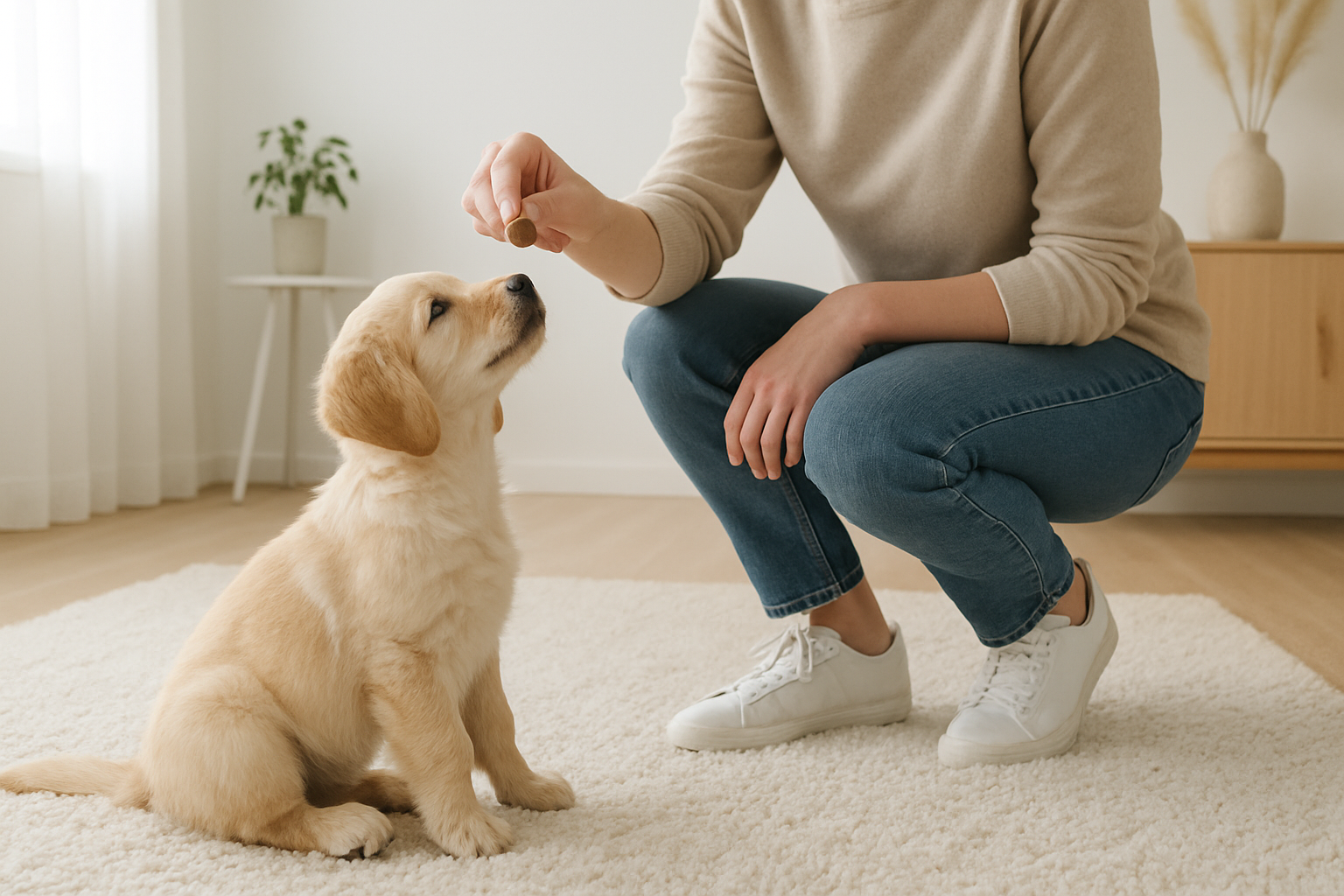
Complete Puppy Potty Training Guide: Expert Strategies for Success
Bringing home a new puppy is thrilling—until you step in a puddle at 2 AM. If you're feeling frustrated or overwhelmed by potty training, you're not alone. This is one of the most challenging aspects of puppyhood, but here's the good news: with the right approach, consistency, and realistic expectations, you can successfully housetrain your puppy and establish habits that last a lifetime.
Potty training isn't just about keeping your carpets clean (though that's certainly a nice benefit). It's about building trust with your puppy, establishing healthy routines, and giving them the structure they need to thrive in your home. Let's break down everything you need to know to make this process smoother for both you and your furry friend.
Understanding Your Puppy's Biological Limitations
Before we dive into training methods, it's crucial to understand that your puppy isn't being stubborn or difficult—they're literally unable to control their bladder and bowels the way adult dogs can. This is biology, not behavior.
Here's the key rule: puppies can hold their bladder for approximately one hour per month of age, plus one additional hour. So a three-month-old puppy can realistically hold it for about four hours maximum. [4] This means a two-month-old puppy might need bathroom breaks every three hours, while a four-month-old could potentially go five hours between breaks.
Understanding this limitation helps you set realistic expectations. Your eight-week-old puppy isn't trying to ruin your day—they physically cannot hold it longer than a couple of hours. Working within these biological constraints is essential for success.
The Ideal Age to Start Potty Training
While you can technically begin introducing potty training concepts earlier, the sweet spot for starting formal potty training is between 12 and 16 weeks of age. [5] Before this point, your puppy's nervous system hasn't fully developed enough for them to consistently control their elimination, so training efforts often feel futile.
If your puppy is younger than 12 weeks, you can still lay groundwork by establishing routines and taking them out frequently, but don't expect reliability. If you've adopted an older puppy and missed this window, don't worry—dogs can learn at any age, though it may take additional time and patience.
The entire potty training timeline typically ranges from 4-6 months, with some puppies taking up to a year to achieve complete reliability. [5] This variation depends on factors like breed, individual temperament, health status, training consistency, and your specific methods.
Creating a Structured Potty Schedule
One of the most powerful tools in your potty training arsenal is a consistent schedule. Puppies thrive on routine, and a structured schedule creates predictability for both you and your pup. [1]
Your puppy should have designated bathroom breaks at these key times:
- Immediately after waking up (including nap time)
- 15-30 minutes after eating
- After drinking water
- After playtime or exercise
- Before bedtime
- During the night (for young puppies)
The critical insight here is that you shouldn't wait for your puppy to signal they need to go. Most puppies won't reliably communicate this need early on. [1] Instead, be proactive and take them out on schedule. This prevents accidents from happening and allows you to reward successful bathroom breaks in the designated spot.
For example, a typical schedule for a 12-week-old puppy might look like:
- 7:00 AM - Wake up potty break
- 7:30 AM - Breakfast
- 8:00 AM - Potty break after eating
- 8:30 AM - Play and training
- 9:30 AM - Potty break after activity
- 10:00 AM - Nap time in crate
- 12:00 PM - Wake up potty break
- 12:30 PM - Lunch
- Repeat pattern throughout day
Mastering Crate Training for Potty Success
Crate training often gets a bad reputation, but when done correctly, it's one of the most effective potty training tools available. The key is understanding that dogs have a natural instinct to avoid soiling their sleeping area. [4]
Here's how to use a crate effectively:
- Size matters: Your crate should be large enough for your puppy to stand, turn around, and lie down comfortably, but not so large they can potty in one corner and sleep in another. [1] An oversized crate defeats the purpose because your puppy may feel they have a separate bathroom area.
- Make it positive: Never use the crate as punishment. Instead, make it a safe haven where your puppy loves to spend time. Include comfortable bedding, toys, and chew items.
- Use during unsupervised time: When you can't actively watch your puppy, they should be in their crate. This prevents accidents and keeps them safe.
- Time limits: Remember the age-plus-one rule. Don't leave your puppy in the crate longer than they can physically hold their bladder.
Pro tip: Keep your puppy's crate in your bedroom during nighttime training. This allows you to hear when they're signaling they need to go out, and you can respond quickly. [5]
Designating and Using a Potty Spot
Consistency in location is surprisingly powerful for potty training. When you take your puppy out, always use the same door and go to the same spot. [5] The scent from previous bathroom visits will actually encourage your puppy to use that location again.
Here's your step-by-step process for each potty break:
- Attach a 4-6 foot leash to prevent distractions and play sessions [1]
- Walk directly to the designated potty spot without detours
- Use a consistent command like "go potty" or "do your business" [1]
- Wait patiently for your puppy to eliminate
- The moment they finish (not before—wait until they're completely done), enthusiastically praise them [1]
- Offer a high-value treat or play reward
- Return inside
The leash is important because it keeps your puppy focused on the task rather than exploring or playing. You want them to understand that outdoor time has a purpose: bathroom breaks first, playtime later.
Positive Reinforcement: The Most Powerful Training Tool
Your puppy repeats behaviors that result in good outcomes. This is the fundamental principle of dog learning. When your puppy eliminates in the correct spot, you want to make it the best thing that ever happened to them. [4]
Effective rewards include:
- High-value treats (small, soft, and delicious)
- Enthusiastic verbal praise
- A short play session with their favorite toy
- Physical affection and petting
The timing of the reward is critical. Praise and treat immediately after your puppy finishes eliminating so they make the connection between the action and the reward. For nighttime potty breaks, you might choose quieter rewards (like treats and gentle praise) rather than an energetic play session that would fully wake your puppy up. [4]
Handling Accidents: What NOT to Do
Despite your best efforts, accidents will happen. This is completely normal and part of the learning process. [1] How you respond to accidents is crucial—and most puppy parents make critical mistakes here.
Never:
- Scold or yell at your puppy
- Rub their nose in the accident
- Hit them or use physical punishment
- Make them feel ashamed or fearful
Why? Because your puppy won't understand they're being punished for the accident. Instead, they'll learn that elimination itself is scary, which can create a "stealth pooper" who only goes to the bathroom when you're not around. [4] This makes training exponentially harder.
Instead:
- Stay calm and matter-of-fact
- Immediately clean the area with an enzymatic cleaner to neutralize the scent [1]
- Avoid ammonia-based cleaners, which can actually intensify the smell of urine [1]
- If you catch your puppy in the act, gently interrupt them and quickly take them to their potty spot [5]
- Remember that accidents usually indicate a training protocol issue, not a puppy behavior problem
Most accidents happen because of inconsistent supervision, too much unsupervised freedom, excessive water access, or not adhering strictly enough to the potty schedule. Take this as feedback to tighten your training approach.
Recognizing Your Puppy's Individual Potty Signals
While you shouldn't rely on your puppy's signals early in training, learning their individual body language is valuable as they progress. Different puppies communicate differently. Common signals include:
- Sniffing the ground intensely
- Walking in circles
- Whining or barking
- Going to the door
- Hunching their back
- Sudden restlessness or pacing
- Squatting
Once you recognize your specific puppy's signals, you can respond quickly by taking them to their potty spot. [4] This helps bridge the gap between scheduled breaks and your puppy's individual needs.
Choosing Your Training Method: Outdoor vs. Potty Pads
Most trainers recommend outdoor potty training as the primary method because it's the long-term goal for most households. However, potty pads can be a useful tool in certain situations.
Outdoor Training: This is the gold standard. It teaches your puppy that their bathroom spot is outside, which is where you want them to eliminate for their entire life. This method works best if you have yard access and can maintain a consistent schedule.
Potty Pad Training: Potty pads can be helpful for apartment dwellers, owners with mobility limitations, or those with very young toy breeds. However, pads should not be a substitute for actual potty training or an excuse to leave your puppy unsupervised for extended periods. [5] If using pads, follow the same principles: designate a specific spot, use a command, and provide rewards.
Important note: If you start with potty pads and later want to transition to outdoor training, this requires retraining. Your puppy will have learned that indoor elimination is acceptable, and changing that pattern takes additional time and consistency.
Consistency: The Secret Ingredient
If there's one factor that determines potty training success more than any other, it's consistency. Your puppy learns through repetition. Every time you follow the same routine—same door, same spot, same command, same reward—you're building neural pathways that make the behavior instinctive. [1]
This means:
- Everyone in your household must follow the same protocol
- You must maintain the schedule even when it's inconvenient
- You must reward every successful bathroom break (at least early in training)
- You must supervise closely and prevent unsupervised accidents
- You must stick with your chosen method rather than switching between approaches
The more structured and consistent you are during puppyhood, the more freedom and trust you'll earn as your puppy matures. [1]
When to Seek Professional Help
If your puppy isn't making progress after several months of consistent training, or if accidents suddenly increase after a period of success, consult your veterinarian. [5] Medical issues like urinary tract infections, parasites, or digestive problems can interfere with potty training success and need to be ruled out.
A professional dog trainer or behaviorist can also provide personalized guidance if you're struggling with your specific situation.
Your Potty Training Action Plan
Here's your roadmap to success:
- Start between 12-16 weeks of age
- Create a detailed potty schedule based on your puppy's age and your household routine
- Set up an appropriately-sized crate as your training tool
- Choose your potty location (outdoor or pads) and commit to consistency
- Take your puppy out on schedule, every single time
- Use a command and wait for complete elimination
- Reward enthusiastically and immediately
- Supervise closely to prevent accidents
- Clean accidents with enzymatic cleaner, never punish
- Adjust your schedule based on your puppy's success rate
- Be patient—most puppies need 4-6 months or longer
Remember: you're not just potty training your puppy; you're building a foundation of trust, communication, and positive reinforcement that will benefit your relationship for years to come. The time and effort you invest now pays dividends throughout your dog's life.