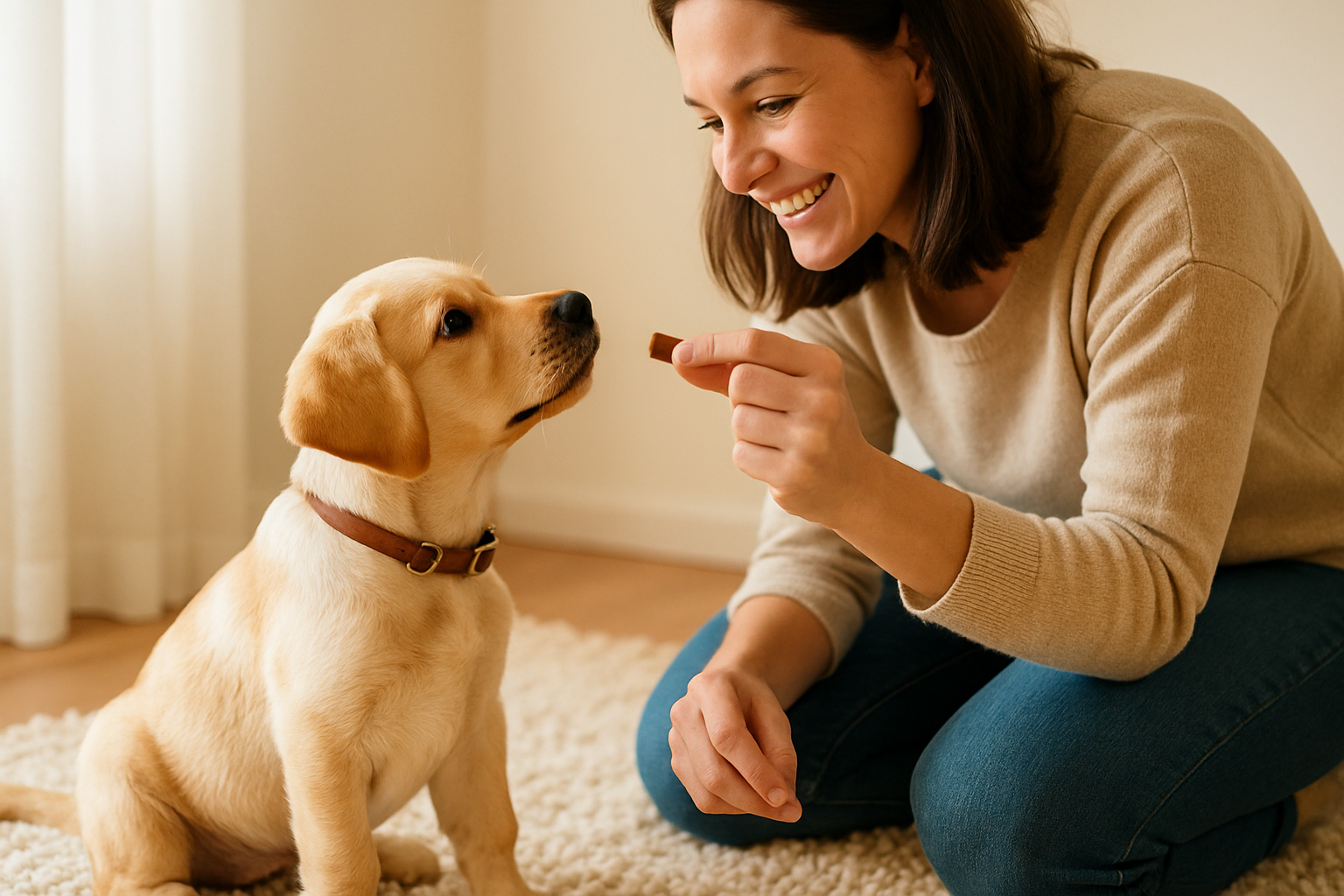
Complete Puppy Potty Training Guide: Proven Methods for Success
Bringing home a new puppy is exciting—until you step on your third accident of the day. Potty training ranks among the top concerns for new dog owners, and rightfully so. The good news? With the right approach, consistency, and realistic expectations, most puppies can be reliably housetrained within a few months.
This guide draws from professional training methods and veterinary expertise to give you everything you need to successfully potty train your puppy. Whether you're starting from day one or troubleshooting ongoing challenges, you'll find actionable strategies that work.
Understanding Your Puppy's Potty Training Readiness
Before diving into training techniques, let's talk timing. Many new puppy parents start too early, setting themselves up for frustration. Puppies between 12-16 weeks old are at the ideal age to begin potty training [2]. At this developmental stage, their bladder and bowel control are developing enough to make meaningful progress.
That said, if you've adopted an older puppy or missed this window, don't worry. Puppies can learn at any age, though older puppies may require more patience and consistency [2].
Realistic Timeline Expectations: Most puppies require 4-6 months of consistent training to become reliably housetrained. Some may take up to a year [2]. This timeline depends on factors including age, breed, health status, your training method, and most importantly—your consistency.
The Three Essential Modes for Potty Training Success
Professional trainers use a three-mode system to structure your puppy's day. Understanding these modes is fundamental to rapid progress [4]:
- Supervised Freedom: Your puppy is awake, active, and under your direct watch. During this time, you can interrupt accidents and redirect to the appropriate spot.
- Structured Potty Breaks: Scheduled times when your puppy goes to their designated elimination area, whether outdoors or on pads.
- Crate Rest: Your puppy is safely confined in their crate during naps and overnight. This leverages their natural instinct not to soil their sleeping area.
By rotating through these modes throughout the day, you prevent accidents while building positive habits.
Building Your Puppy's Potty Schedule
Puppies thrive on routine. A well-designed potty schedule is the backbone of successful training [1]. Rather than waiting for your puppy to signal they need to go—which most young puppies won't do—you'll proactively take them to their spot at strategic times.
When Puppies Typically Need to Eliminate:
- Immediately after waking from sleep or naps
- Within 15-30 minutes after eating
- After drinking water (especially in the morning)
- After playtime or exercise sessions
- Before bedtime
- First thing in the morning
Using the "Month Plus One" Rule: A practical guideline for crate time is the "month plus one" concept. A 3-month-old puppy should manage approximately 4 hours in their crate; a 4-month-old puppy about 5 hours [2]. This helps you understand realistic expectations for bladder control and prevents frustration when accidents occur.
Creating Your Custom Schedule: Start by mapping your puppy's meals, your work schedule, and your availability. Then build potty breaks around these anchor points. For example:
- 7:00 AM - Wake up potty break
- 7:30 AM - Breakfast
- 8:00 AM - Post-breakfast potty break
- 8:30 AM - Supervised play
- 10:00 AM - Midday potty break
- 12:00 PM - Lunch
- 12:30 PM - Post-lunch potty break
- And so on...
The key is consistency. Your puppy's body will begin to anticipate these breaks, making them more likely to eliminate on schedule [1].
Selecting Your Training Method: Outdoor vs. Indoor Pads
There's no single "correct" method—the best approach depends on your living situation, schedule, and long-term goals.
Outdoor Potty Training
Most owners prefer teaching puppies to eliminate outside. This method works best if you have yard access and flexibility in your schedule [4].
Outdoor Training Steps:
- Choose Your Spot: Select a consistent area in your yard. Always use the same exit door and the same elimination spot [4]. This consistency creates a strong association in your puppy's mind.
- Use a Short Leash: During the first several weeks, keep your puppy on a 4-6 foot leash at potty breaks [1]. This prevents them from getting distracted and helps you guide them to the designated spot.
- Introduce a Command: As your puppy begins to eliminate, use a consistent verbal cue like "go potty" or "do your business." Repeat this phrase every time they eliminate in the correct spot [1]. Eventually, this command will trigger the behavior.
- Reward Immediately: Wait until your puppy has completely finished before offering praise, treats, or play [1]. This timing is crucial—you want them to associate the reward with finishing in the right spot, not just starting to go.
- Stay Outside: Remain outside with your puppy during potty breaks until they're fully housetrained. This allows you to reward success and prevents them from becoming distracted [4].
Indoor Potty Pad Training
Some owners use absorbent pads as a temporary or permanent solution. This works well for apartment dwellers, owners with mobility limitations, or those with unpredictable schedules [2].
Important note: Potty pads should never be used as an excuse for inadequate supervision or extended unsupervised time. They're most effective as a stepping stone toward outdoor training or as a designated indoor bathroom for dogs with specific needs [2].
Pad Training Steps:
- Place pads in a consistent, easy-to-access location (bathroom, laundry room, or balcony)
- Guide your puppy to the pad after meals, drinks, and play sessions
- Use the same verbal command as you would for outdoor training
- Reward successful eliminations on the pad immediately
- Gradually transition to outdoor elimination once your puppy is fully vaccinated and ready
The Crate: Your Secret Training Weapon
Many new owners hesitate about crate training, fearing it's cruel. When done correctly, crating is actually one of the most humane and effective training tools available [2]. Dogs are naturally den animals and instinctively avoid soiling their sleeping area.
Choosing the Right Crate: Size matters significantly. Your puppy's crate should be large enough for them to stand, turn around, and lie down comfortably—but not so large they can eliminate in one corner and sleep in another [1]. An oversized crate defeats the purpose because it gives them room to potty away from their sleeping area.
Making the Crate Positive: Never use the crate as punishment. Instead, make it a safe haven. Feed your puppy in their crate, leave the door open during the day, and reward them for entering voluntarily. Many puppies will naturally retreat to their crate for naps once they're comfortable [2].
Nighttime Crating Strategy: Keep your puppy's crate in your bedroom while you sleep. This serves two purposes: your puppy feels secure near you, and you can hear if they're signaling they need a potty break [2]. Most puppies will whimper or move around when their bladder is full. Respond promptly to these signals—your puppy is communicating, not misbehaving.
Recognizing and Responding to Signals
Young puppies won't reliably "ask" to go outside initially. However, they do display consistent behaviors before eliminating. Learning to recognize these signals prevents accidents and speeds training [4]:
- Pausing current activity and assuming a squat position
- Sniffing intensely at the floor or ground
- Circling before settling into position
- Restlessness or pacing (indicating a full bladder)
- Whining or barking (especially at night in the crate)
- Moving toward a door or window
When you notice these behaviors, calmly but quickly guide your puppy to their designated potty area [4]. Stay calm—excited reactions can distract them from their task.
Teaching an Active Signal: Once your puppy is older and more reliably housetrained, you can teach them to ring a bell at the door or perform another signal to request outdoor access. However, be aware that some dogs learn to ring the bell just for play, so consistency in your response matters [4].
Managing and Learning from Accidents
Accidents are inevitable—they're not failures; they're learning opportunities. How you respond determines whether your puppy learns to hide their accidents or communicate openly about their needs.
What NOT to Do:
- Never punish, scold, or show anger
- Never rub your puppy's nose in their mess
- Never strike or physically punish your puppy
- Never clean up accidents in front of your puppy in a way that suggests anger
These responses teach puppies that elimination itself is wrong, causing them to hide when they need to go—actually making training harder [Source 2, Source 4].
What TO Do:
- Stay Calm: Treat accidents as neutral events. Your puppy isn't being spiteful; they're still learning.
- If You Catch Them Mid-Act: Make a noise to interrupt (a simple "uh-uh" works), then quickly guide them to the appropriate spot [4]. Praise them for finishing in the correct location.
- If You Find Evidence Later: Simply clean it up without comment. Your puppy won't understand punishment after the fact.
- Clean Thoroughly: Use an enzymatic cleaner specifically designed for pet urine, not ammonia-based products [1]. Ammonia can intensify the urine smell, actually encouraging future accidents in that spot [1].
- Assess Your System: Accidents are usually a sign that your supervision, schedule, or crate size needs adjustment—not that your puppy is misbehaving [1].
Special Situations and Challenges
Nighttime Training
Nighttime accidents don't indicate training failure—puppies' bodies simply aren't ready to hold it overnight. Most puppies can't reliably sleep through the night without a potty break until 4-6 months old [2].
Nighttime Strategy:
- Limit water intake 2-3 hours before bedtime
- Take your puppy out for a final potty break right before sleep
- Keep the crate nearby so you can respond to signals
- Expect to take your puppy out once during the night for several weeks
- Gradually extend the time between nighttime breaks as your puppy matures
Regression or Ongoing Accidents
If a previously housetrained puppy suddenly has accidents, consult your veterinarian [4]. Medical issues like urinary tract infections, digestive problems, or parasites can cause sudden changes in bathroom habits. A vet can rule out health problems and recommend a behavior professional if needed.
Excitement or Anxiety Urination
Some puppies urinate when excited or anxious—during greetings, playtime, or stressful situations. This isn't a house-training issue; it's an emotional response that typically resolves with maturity [4]. A behavior professional can help manage this separately from traditional potty training.
Maintaining Consistency: The Real Secret to Success
Every expert source emphasizes the same principle: consistency is more important than any specific method. Your puppy learns through repetition and pattern recognition [1].
Consistency Checklist:
- Same potty schedule every day
- Same exit door for outdoor potty breaks
- Same designated elimination spot
- Same verbal command
- Same reward system
- Same response to accidents
- Same crate routine
This repetition creates muscle memory and establishes the behavior as instinctual [1]. The more consistent you are during the first 8-12 weeks, the faster your puppy learns and the sooner you can gradually increase their freedom around the house [1].
Earning Freedom: The Final Stage
Once your puppy has gone 8-12 weeks without accidents, they're probably ready for more unsupervised freedom [4]. Gradually increase their access to different areas of your home rather than suddenly giving them the run of the house.
Start by allowing them brief periods alone in a room while you monitor from another location. Use baby monitors or pet cameras to watch for signals they need a potty break [4]. Slowly extend these periods as your puppy demonstrates reliability.
Remember: your puppy has earned this freedom through consistent, successful behavior. The structure you provided early on becomes the foundation for a well-behaved, trustworthy adult dog [1].
Key Takeaways for Potty Training Success
- Start training between 12-16 weeks old for best results, though older puppies can learn too
- Create a consistent schedule based on your puppy's natural elimination times
- Use the three-mode system: supervised freedom, structured breaks, and crate rest
- Choose your method (outdoor or pad training) and commit to consistency
- Leverage the crate as a training tool, not punishment
- Reward successful eliminations immediately and thoroughly
- Respond to accidents calmly and focus on preventing future ones
- Use enzymatic cleaners to eliminate scent markers
- Expect 4-6 months (or longer) for reliable housetraining
- Consult your vet if accidents persist or suddenly increase
- Celebrate small wins—potty training is a marathon, not a sprint
Potty training requires patience, consistency, and realistic expectations—but it's absolutely achievable. By following these proven methods and staying committed to your routine, you'll have a reliably housetrained puppy and a much cleaner home. The effort you invest now pays dividends for years to come.