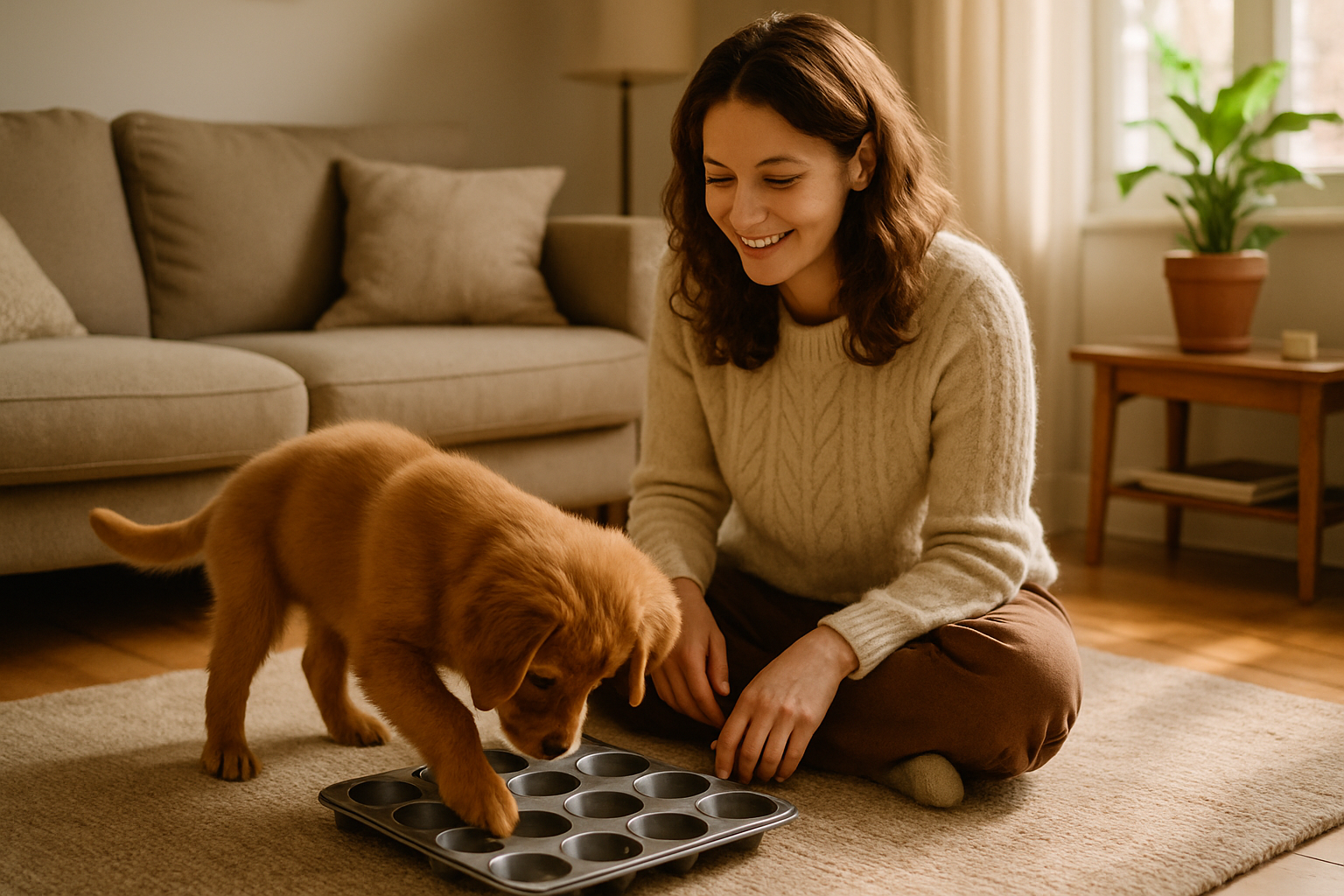
10 Indoor Puppy Games to Keep Your Pup Entertained and Happy
There's nothing quite like watching a puppy's eyes light up during playtime. But what happens when the weather turns nasty, or your schedule keeps you indoors? Many new puppy parents panic, worried their fur babies will become bored, destructive, or restless. The truth is, indoor play is just as valuable—and often more mentally stimulating—than outdoor activities.
Indoor games offer something outdoor play sometimes can't: the opportunity to engage your puppy's problem-solving skills, build training foundations, and create bonding moments in a controlled environment. Whether you're dealing with a rainy day, extreme temperatures, or simply want to mix up your puppy's routine, these 10 indoor games will keep your pup entertained, mentally sharp, and genuinely tired by bedtime.
Why Indoor Games Matter for Puppy Development
Before diving into specific games, let's understand why indoor play is crucial for your puppy's growth. Puppies aren't just burning energy during playtime—they're learning impulse control, problem-solving, and social skills. Mental stimulation is just as tiring (sometimes more so!) than physical exercise. In fact, a 30-minute puzzle game can leave your puppy more satisfied than an hour of fetch.
Indoor games also allow you to:
- Reinforce training commands in a distraction-free environment
- Build confidence in anxious or shy puppies
- Create bonding opportunities through interactive play
- Prevent destructive behaviors born from boredom
- Exercise puppies when outdoor conditions aren't ideal
Now, let's explore 10 games that will transform your living room into a puppy playground.
1. The Muffin Tin Puzzle Game
This is one of my go-to recommendations for puppies because it combines simplicity with impressive mental engagement. [4] This game requires just three items: a standard muffin tin, tennis balls, and small training treats.
How to play:
- Place a small treat in each muffin cup
- Cover each cup with a tennis ball
- Present the tin to your puppy and let them figure out how to retrieve the treats
- As your puppy masters the game, increase difficulty by only hiding treats in some cups while covering all cups with tennis balls
This game teaches your puppy to problem-solve while engaging their sense of smell. It's perfect for puppies aged 8 weeks and up, and it typically holds their attention for 10-15 minutes. The beauty of this game is that you can adjust difficulty based on your puppy's skill level, making it appropriate for weeks or even months of play.
2. Treat Burrito Wrap
Sometimes the simplest games bring the most joy. For this activity, you'll need a towel and small treats—items most households already have on hand.
How to play:
- Lay a towel flat on your floor
- Scatter small treats across the towel's surface
- Slowly roll the towel, keeping treats positioned throughout
- Hand the rolled towel to your puppy and watch them unroll it to access treats
This game encourages natural rooting and unrolling behaviors while rewarding your puppy with treats. It's especially useful for puppies who enjoy shredding and tearing, as it gives them a constructive outlet for these impulses. The unrolling action also provides gentle physical activity, making it ideal for younger puppies or those recovering from minor injuries.
3. Cardboard Tube Enrichment Challenge
Toilet paper and paper towel tubes are treasure troves of enrichment potential. [4] Here are two creative ways to use them:
Frozen Peanut Butter Tubes:
- Fill a cardboard tube with dog-safe peanut butter (xylitol-free)
- Optionally, freeze the tube for extended engagement
- Give it to your puppy to lick and explore
Shoebox Tube Puzzle:
- Arrange several cardboard tubes vertically in a shoebox so they support each other
- Drop treats and kibble into the tubes
- Present the puzzle to your puppy for a treasure hunt experience
The tube puzzle is particularly valuable because it mimics foraging behavior, which is deeply satisfying for puppies. The varied heights and tube positions make retrieval slightly challenging, requiring your puppy to use their nose and paws strategically.
4. Container Hide-and-Seek
This game transforms ordinary household containers into a nose-work challenge. [4] You'll need empty containers of various sizes—yogurt cups, shoeboxes, or plastic containers all work wonderfully.
How to play:
- Set up the game when your puppy isn't watching
- Arrange several containers on the floor
- Hide a smelly treat under just one container
- Bring your puppy in and encourage them to sniff out the prize
- Start with poked holes in containers to make the scent easier to detect
- Gradually reduce holes and add more containers as your puppy improves
This game is phenomenal for developing your puppy's scenting abilities. It also teaches them to use their nose as a problem-solving tool, which builds confidence and mental resilience. As your puppy becomes more skilled, you can increase difficulty by spreading containers farther apart or using unscented containers as decoys.
5. Ball Pool Bonanza
For puppies who love water play and sensory exploration, a kiddie pool filled with balls creates an engaging indoor experience. [4]
How to play:
- Fill a plastic kiddie pool with colorful plastic balls
- Sprinkle small treats on top of the balls
- Encourage your puppy to jump in and hunt for treats
- Watch as the moving balls create an extra challenge
The shifting balls add an element of surprise and unpredictability that keeps puppies engaged. This game also serves as an excellent enrichment tool for puppies who eat too quickly, as the moving balls naturally slow down their eating pace. [4] Just ensure the pool is on a non-slip surface and supervise play to prevent water ingestion.
6. Hide-and-Seek Adventures
This classic game builds your puppy's recall command while providing mental stimulation and bonding time. [4]
How to play:
- Ask your puppy to sit and stay (or have another family member hold them)
- Find a hiding spot in your home—behind a door, in a closet, under a table
- Call your puppy with an excited tone and the "come" command
- Reward enthusiastically when they find you with treats and praise
- Start with easy hiding spots and gradually increase difficulty
Hide-and-seek is remarkable because it combines exercise, training, and emotional bonding. Your puppy learns that finding you is rewarding, which strengthens their recall command in a fun, game-based context. This is particularly valuable for puppies who struggle with the "come" command in distracting environments.
7. Treasure Hunt with Toys or Treats
A variation on hide-and-seek, treasure hunts engage your puppy's natural hunting instincts. [4]
How to play:
- Show your puppy a favorite toy or smelly treat
- Ask them to sit and stay while you hide it
- Use a release command like "okay" or "find it"
- Let your puppy search and celebrate when they discover the prize
- Gradually hide items in more challenging locations
Treasure hunts are excellent for building independence and problem-solving confidence. They also provide a constructive outlet for your puppy's natural foraging drive, which can prevent destructive behaviors like excessive digging or chewing.
8. Agility Course (Simplified Version)
You don't need expensive equipment to create an agility experience. [5] Simple household items transform your living room into a training ground.
DIY agility ideas:
- Weave between toilet paper rolls arranged on the floor
- Jump over your leg or a low cushion
- Crawl under a table or through a blanket-draped chair
- Balance on a cushion or overturned bowl
- Navigate around furniture in a specific pattern
Agility training improves your puppy's focus, coordination, and body awareness. [5] Start with low-impact movements on carpeted surfaces to protect developing joints. Keep sessions short (5-10 minutes) and always prioritize safety over speed or difficulty. This game is suitable for puppies 12 weeks and older, though you should consult your veterinarian before starting any intensive physical training.
9. Shredding Box Adventure
Some puppies have an irresistible urge to shred and tear. Instead of discouraging this natural behavior, channel it constructively. [5]
How to play:
- Gather a cardboard box and recyclable paper or old towels
- Wrap small treats in the paper
- Toss everything into the box
- Let your puppy enjoy the sensory experience of shredding to find treats
- Contain the mess by playing on tile or hardwood floors with easy cleanup
This game is phenomenal because it allows your puppy to express natural behaviors in a controlled manner. [5] By providing an appropriate outlet for shredding, you reduce the likelihood of your puppy redirecting this behavior toward furniture, shoes, or other household items. The sensory satisfaction of tearing paper combined with treat rewards creates a highly engaging experience.
10. Stop and Go Training Game
This game brilliantly combines exercise, training, and impulse control. [4]
How to play:
- Excite your puppy by playing, running, or using an enthusiastic tone
- Create distance between yourself and your puppy
- Call your puppy with the "come" command
- Just before they reach you, give the "stay" command
- If they stop successfully, reward immediately with treats and praise
- Repeat this sequence several times
Stop and Go teaches your puppy to control their excitement and listen to commands even when stimulated. [4] This game is invaluable for building self-control and strengthening your puppy's listening skills in real-world scenarios. It's also an excellent foundation for more advanced training later.
Pro Tips for Indoor Puppy Play Success
Rotate Games Regularly: Puppies benefit from variety. Rotate these games throughout the week to prevent boredom and maintain engagement. A game your puppy ignored last week might become their favorite this week.
Match Games to Your Puppy's Age: Younger puppies (8-12 weeks) do better with simpler games requiring less impulse control. As your puppy matures, gradually introduce more complex challenges.
Keep Sessions Short: Puppies have limited attention spans. Most games work best in 5-15 minute sessions. Multiple short sessions throughout the day beat one long marathon.
Safety First: Always supervise indoor play. Ensure your puppy can't swallow small objects, and use only puppy-safe materials. Remove any choking hazards before starting games.
Use High-Value Rewards: Reserve the best treats for indoor games. This makes playtime extra motivating and helps your puppy associate indoor activities with positive outcomes.
Create a Designated Play Area: Establish a specific space for games to signal to your puppy that playtime is beginning. This helps them transition mentally into game mode.
Combining Indoor Games with Your Training Plan
These games aren't just entertainment—they're training opportunities. Each game reinforces important commands like "stay," "come," and "leave it." By incorporating games into your daily routine, you're building a foundation for lifelong obedience while strengthening your bond with your puppy.
Consider creating a weekly schedule that rotates different games. For example, Monday might feature the muffin tin puzzle, Tuesday the treat burrito, Wednesday hide-and-seek, and so on. This variety keeps your puppy mentally stimulated and prevents the monotony that leads to destructive behaviors.
The Bottom Line
Rainy days, extreme weather, or busy schedules don't have to derail your puppy's enrichment. These 10 indoor games provide mental stimulation, physical activity, training opportunities, and most importantly, quality bonding time with your pup. The best part? Most require nothing more than items already in your home.
Start with games that match your puppy's current skill level and gradually introduce more challenging variations. Watch your puppy's personality shine through as they tackle new challenges. You'll be amazed at how engaged, happy, and satisfied your puppy becomes when given appropriate mental stimulation and play opportunities indoors.
Remember, a mentally stimulated puppy is a well-behaved puppy. Invest in these games, and you're investing in your puppy's development, happiness, and your own peace of mind.