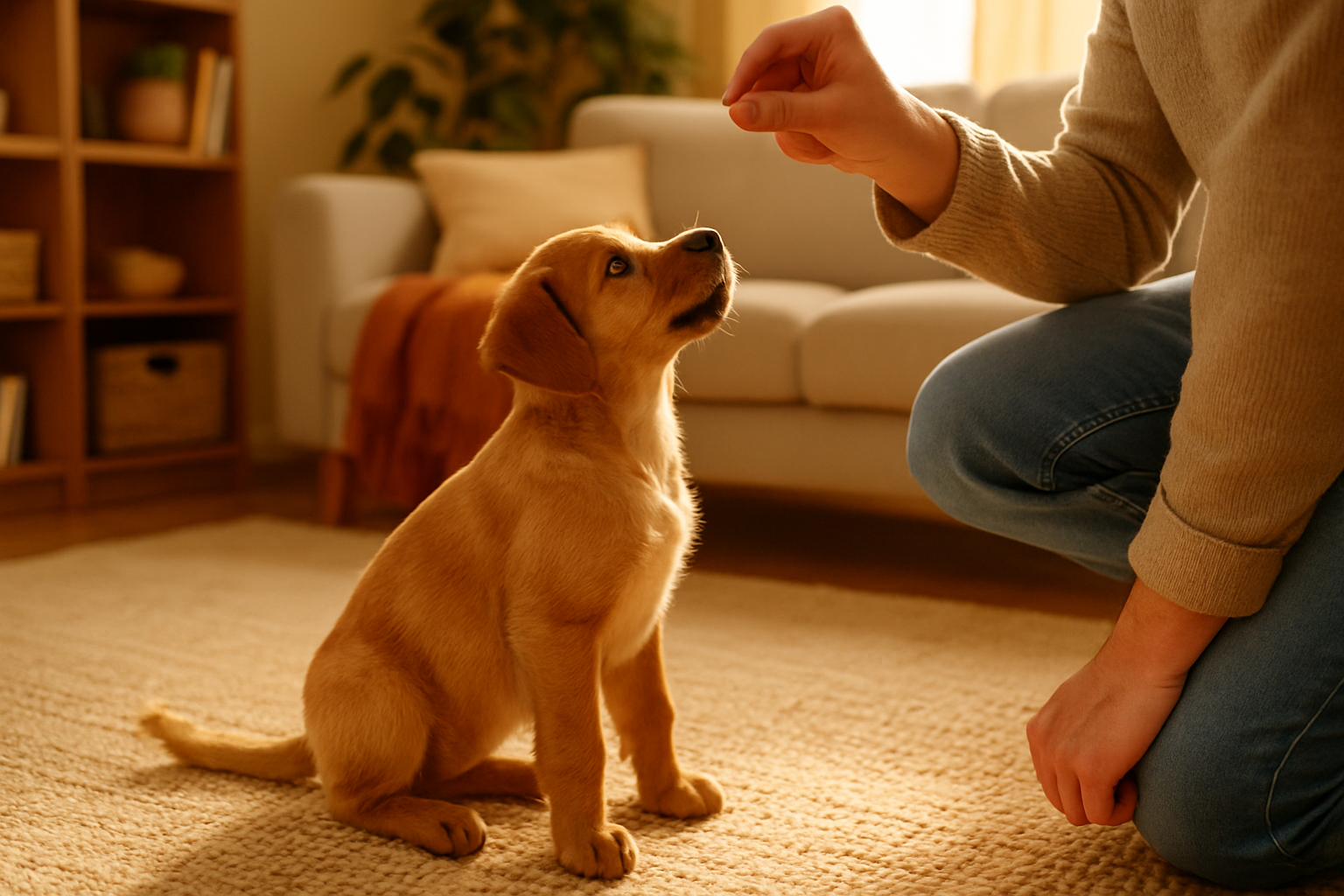
Why Indoor Games Matter for Your Puppy's Development
Puppies are bundles of energy with developing brains that need constant stimulation. Without proper mental and physical exercise, your young pup may resort to destructive behaviors like chewing furniture, excessive barking, or having accidents in the house. [5] The good news? You don't need a sprawling backyard or perfect weather to keep your puppy engaged and happy.
Indoor games serve a dual purpose: they provide the enrichment your puppy craves while simultaneously teaching valuable skills like recall, impulse control, and focus. [2] Whether you live in an apartment, face unpredictable weather, or simply want to maximize training time, these indoor activities are game-changers for your puppy's development.
The best part? Most of these games require minimal equipment and can be played in small spaces. Let's dive into 10 proven indoor games that will transform your puppy into a well-trained, mentally satisfied companion.
1. The Name Game: Building Instant Response
Teaching your puppy to respond instantly to their name is foundational to all other training. This game makes name recognition fun and rewarding, creating that crucial "head-turn" response trainers call a "switch back." [2]
How to Play:
- Start in a quiet room with your puppy and a handful of small, high-value treats
- Say your puppy's name in an excited, happy tone
- The moment their head turns toward you, immediately reward with a treat and praise
- Repeat 5-10 times per session, keeping it short and fun
- Gradually add unpredictability by tossing treats in different directions—over your shoulder, down the hallway, or between your legs
Why It Works: This game teaches your puppy that their name is the best news they'll hear all day. It's particularly effective for burning mental energy on days when outdoor play isn't possible.
Pro Tip: Practice indoors first before introducing outdoor distractions. [2] Once your puppy masters the game indoors, gradually move to busier environments.
2. Chase Recall: Turning Your Puppy Into a Comeback Kid
One of the most rewarding moments as a dog owner is watching your puppy sprint toward you with pure joy. This game builds that response while channeling your puppy's natural prey drive in a positive direction. [2]
How to Play:
- Start in a hallway or large room with your puppy a few feet away
- Get down to their level and use an excited, playful tone to encourage them toward you
- Run backward slowly, building excitement as your puppy approaches
- When they reach you, celebrate enthusiastically with treats and praise
- Repeat 3-5 times per session
Why It Works: Dogs are naturally excited by fast movement. [2] This game taps into that instinct while teaching reliable recall—a skill that becomes invaluable throughout your puppy's life.
Safety First: Clear the play area of obstacles to prevent tripping. Make sure there's nothing your puppy could knock over or get tangled in during their enthusiastic sprint toward you.
3. Hide and Seek: Developing Searching Skills
This classic game engages your puppy's natural hunting and searching instincts while building problem-solving abilities. It's also fantastic for strengthening your bond and teaching your puppy that finding you is the best reward possible. [2]
How to Play:
- Start with your puppy in one room while you hide in an easy spot (partially visible) in another room
- Call your puppy's name excitedly and let them find you
- Reward generously with treats and enthusiastic praise when they locate you
- Gradually increase difficulty by hiding in more challenging spots
- Progress to having another family member hide while your puppy learns to search for different people
Why It Works: Hide and seek taps into your puppy's natural instinct to track and search. [2] It also teaches them that good things happen when they find family members, reinforcing their bond with you.
Important Note: Don't make it too difficult too early. [2] If your puppy loses interest or can't find you, make your hiding spot more obvious. The goal is to keep the game fun and rewarding.
4. Hand Target: Building Visual Recall and Trick Foundation
Hand targeting is one of the most versatile games in your training toolkit. It teaches your puppy to focus on you while building the foundation for countless tricks and commands. [2]
How to Play:
- Hold your hand out at your puppy's nose level with a treat in your closed fist
- Most puppies will naturally investigate and touch your hand with their nose
- The moment they make contact, open your hand and reward with the treat
- Repeat 5-10 times per session
- Once your puppy understands, hold your hand out without a treat visible and reward from your other hand
- Add variations like targeting through your legs or at different heights
Why It Works: Hand targeting doesn't signal "recall and leash time"—it simply means "touch my hand for a reward." [2] This removes any negative associations and makes your puppy eager to engage with you.
Progression Tip: Keep difficulty levels appropriate to your puppy's age and experience. [2] Gradually increase complexity only after your puppy masters the basics.
5. Tennis Ball Rally: Multi-Person Recall Training
This game is perfect for families and teaches your puppy to respond to different people while strengthening recall in a fun, rewarding context. [2]
How to Play:
- Have two people stand in a room about 8-10 feet apart
- Person A calls the puppy's name excitedly and rewards with a treat when the puppy arrives
- Person B then calls the puppy and rewards when they arrive
- Continue alternating, gradually increasing distance and unpredictability
- Vary who calls next to keep your puppy engaged and attentive
Why It Works: This game teaches your puppy to respond to everyone in the household, not just one person. [2] The unpredictability keeps them mentally engaged and prevents them from anticipating patterns.
Level-Up Option: Replace treats with toys to add variety and discover which rewards your puppy finds most motivating. [2]
6. Treat Toss: Mental Stimulation and Name Recognition Combined
A simple yet highly effective game, treat tossing provides mental stimulation while reinforcing your puppy's name and building enthusiasm for engaging with you. [2]
How to Play:
- Say your puppy's name and immediately toss a small treat a few feet away
- Let them chase and find it
- Repeat 8-12 times per session
- Vary the direction and distance of tosses to maintain engagement
- Toss treats in unexpected directions—backward, to the side, low, or high
Why It Works: This game combines name recognition with the excitement of the chase. [2] It's perfect for burning mental energy and can be played in tight spaces like hallways or small living rooms.
Best Practice: Use small, soft treats that are easy to find and won't make a mess. This game works especially well on days when outdoor play isn't possible.
7. Find the Toy: Problem-Solving and Scent Work
This engaging game develops your puppy's natural searching abilities while introducing the foundations of scent work—a skill that provides years of enrichment. [2]
How to Play:
- Show your puppy a favorite toy and let them sniff it
- Hide the toy in an obvious spot (partially visible) in the same room
- Encourage your puppy to "find it" with an excited voice
- Praise enthusiastically when they locate and bring back the toy
- Gradually hide the toy in more challenging locations as your puppy improves
- Eventually, hide toys in different rooms for your puppy to discover
Why It Works: Finding toys engages your puppy's problem-solving abilities and natural hunting instincts. [2] It also provides mental exercise that's just as tiring as physical activity.
Difficulty Progression: Start with easy hides where the toy is clearly visible. If your puppy loses interest, make the next hide easier. [2] The goal is to build confidence and maintain enthusiasm.
8. The Sit-Stay Challenge: Building Impulse Control
While not a game in the traditional sense, this activity teaches crucial impulse control while providing mental engagement. It's foundational to your puppy's overall training and safety. [4]
How to Play:
- Ask your puppy to sit
- Hold a treat just out of reach and wait for them to maintain the sit
- After 2-3 seconds, reward with the treat and praise
- Gradually increase the duration they must hold the sit
- Add distractions like tossing treats nearby to test their focus
- Increase difficulty by moving around the room while they maintain their sit
Why It Works: This game teaches self-control—one of the most valuable skills a puppy can develop. [4] It's mentally challenging and builds the foundation for advanced training.
Keep Sessions Short: Puppies have limited attention spans. Keep training sessions to 5-10 minutes to maintain enthusiasm and prevent frustration.
9. Scent Work: Engaging the Nose
Dogs experience the world primarily through their sense of smell. Scent work games provide deep mental stimulation and tap into your puppy's most powerful sense. [5]
How to Play:
- Place a favorite treat or toy inside a toilet paper tube or small box
- Let your puppy watch you hide it in an easy spot
- Encourage them to find it using a phrase like "Find it!"
- Reward when they locate and investigate the hiding spot
- Progress to hiding treats in muffin tins covered with tennis balls
- Create more complex hiding scenarios using blankets or cushions
Why It Works: Scent work is incredibly enriching and provides mental exercise that rivals physical activity. [5] It's also a low-impact game suitable for puppies of all energy levels.
DIY Equipment: You don't need expensive puzzle toys. Toilet paper tubes, egg cartons, and blankets work wonderfully for creating scent work challenges.
10. Follow the Leader: Bonding and Movement Combined
This simple game combines physical movement with bonding and teaches your puppy to pay attention to your movements and cues. [4]
How to Play:
- Move around your home in interesting patterns—zigzag, circles, figure-eights
- Encourage your puppy to follow you using an excited tone and occasional treats
- Change speeds, directions, and patterns to keep things interesting
- Reward your puppy frequently for staying close and engaged
- Add obstacles like weaving through furniture to increase difficulty
Why It Works: This game teaches your puppy to focus on you and follow your lead. It also provides physical exercise and helps burn energy during indoor play sessions.
Bonding Benefit: The constant engagement and positive interaction strengthen your relationship while building good habits.
Essential Tips for Indoor Game Success
To maximize the benefits of these indoor games, keep these expert recommendations in mind:
- Keep Sessions Short: Puppies have limited attention spans. Aim for 5-10 minute sessions, several times throughout the day.
- Use High-Value Rewards: Identify what motivates your puppy most—special treats, favorite toys, or enthusiastic praise—and use these rewards strategically.
- Create a Safe Space: Clear the play area of hazards, breakables, and potential choking hazards before starting any game.
- Maintain Consistency: Play games regularly to reinforce learning and keep your puppy mentally stimulated. [5]
- Watch for Fatigue: Stop games before your puppy becomes frustrated or overly tired. Puppies learn best when they're engaged and happy.
- Rotate Games: Vary which games you play to prevent boredom and maintain your puppy's enthusiasm. [2]
- Customize for Your Puppy: Different breeds and personalities respond to different games. [5] Pay attention to what excites your individual puppy most.
The Bigger Picture: Why Indoor Games Matter
Indoor games aren't just about entertainment—they're critical components of your puppy's development. [4] Through play, puppies learn social skills, build confidence, develop problem-solving abilities, and strengthen their bond with you. These games also reduce stress and anxiety while preventing the destructive behaviors that plague many under-stimulated puppies. [5]
By incorporating these 10 games into your daily routine, you're investing in a well-trained, mentally healthy, and emotionally secure companion. Whether you're dealing with bad weather, limited outdoor space, or simply want to maximize training time, these indoor activities deliver results.
Your Action Plan: Getting Started Today
Don't wait for the perfect moment—start playing today. Here's how to get started:
- Choose two games from this list that match your puppy's personality
- Gather necessary supplies (treats, toys, or household items)
- Set aside 10-15 minutes for your first session
- Observe which games your puppy enjoys most
- Add new games gradually over the coming weeks
- Track your puppy's progress in recall, focus, and overall behavior
Your puppy is waiting to engage with you. These indoor games transform ordinary days into training opportunities and bonding experiences that will shape your puppy into the well-behaved, confident companion you've always wanted.